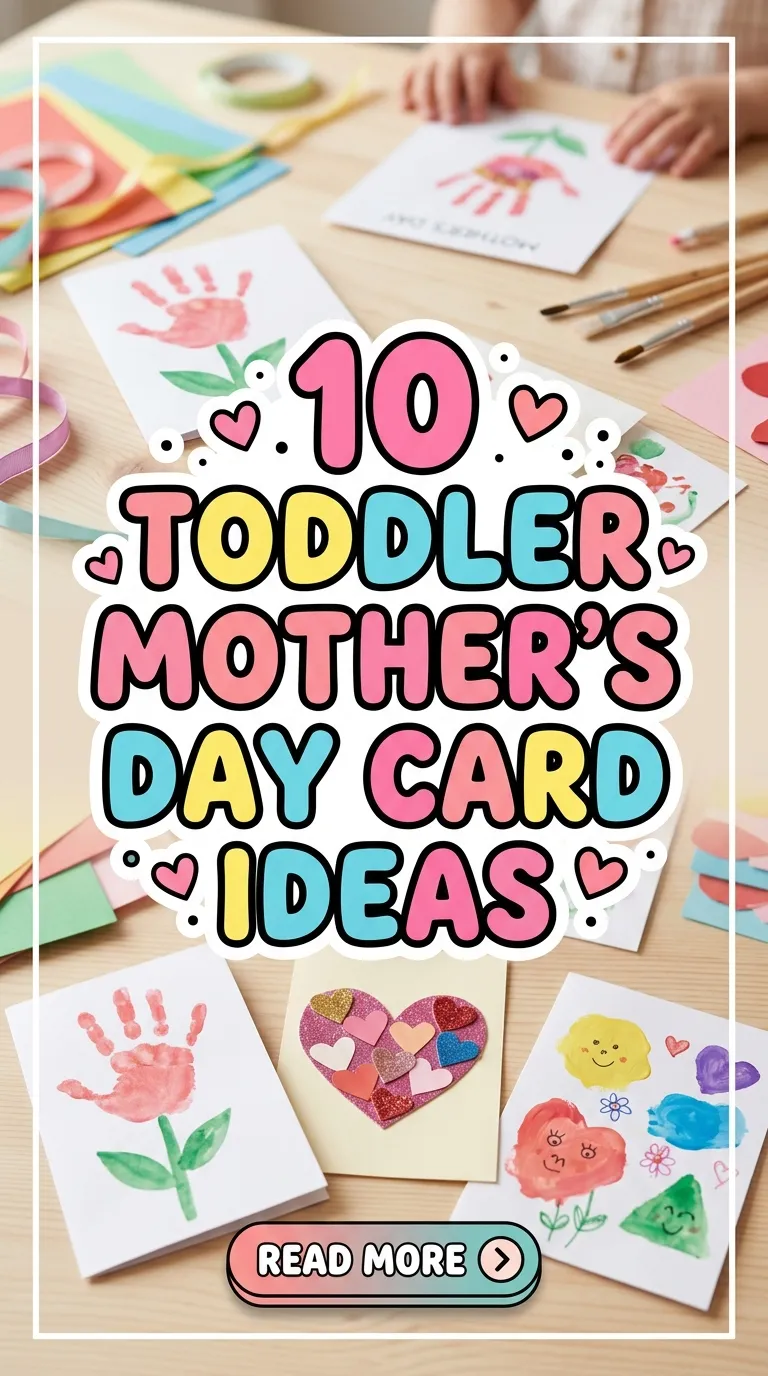

Mother’s Day is a special occasion to show appreciation for the most important woman in your life. Toddlers may be too young to write long messages, but they can still create thoughtful and meaningful cards with a little guidance. Crafting a Mother’s Day card with a toddler is more than just making something pretty; it’s a way to spend quality time together and encourage creativity. This activity can help toddlers develop fine motor skills, practice hand-eye coordination, and learn about expressing emotions through art.
When planning a card-making activity, it is essential to gather all materials beforehand and prepare the space to make it safe and enjoyable for your child. Using simple supplies like paper, crayons, stickers, and glue ensures that the toddler can participate without frustration. While adults can provide structure and help with cutting or gluing, the design and personal touches should come from the child. In this blog post, we will explore ten creative and practical Mother’s Day card ideas specifically designed for toddlers. Each idea includes preparation steps, material lists, and tips to make the process fun and memorable.
1. Handprint Flower Card
Creating a handprint flower card is a classic and sentimental idea. Toddlers can make flowers by dipping their hands in washable paint and pressing them onto card stock. This results in a unique flower design that captures a moment in time.
Materials Needed: Card stock, washable paint, paintbrushes, markers, glue, and optional decorations like buttons or glitter.
Preparation: Lay down newspaper or a plastic sheet to avoid mess. Pour small amounts of paint into shallow containers for easy access. Encourage your toddler to dip their hands gently into the paint and press onto the card.
Steps: After the handprints dry, help the toddler draw stems and leaves with markers. You can also glue buttons in the center of each flower for added texture. Finally, let your child write “Happy Mother’s Day” or dictate a message that you write for them.
This activity not only creates a beautiful card but also serves as a keepsake to treasure for years. The handprint reminds mothers of their child’s tiny hands and growth stage, making it a meaningful gift.
2. Fingerprint Heart Card
Fingerprint art is perfect for toddlers who enjoy using their fingers in creative ways. This project is simple, safe, and produces visually appealing results.
Materials Needed: White or colored card stock, washable ink pads or paint, fine-tip markers, and optional stickers.
Preparation: Choose ink pads that are safe for skin. Lay out paper towels and wet wipes for quick cleaning.
Steps: Show your toddler how to press their fingertip onto the ink pad and then onto the card in the shape of a heart. Repeat the process to form a full heart or multiple hearts on the card. Once the fingerprints are dry, use a fine-tip marker to write a short message, such as “I love you, Mom.”
This activity allows toddlers to engage in tactile learning while expressing love. Fingerprint hearts also make a visually striking card with minimal adult intervention. You can add small drawings or stickers around the hearts to personalize it further. It is a simple yet heartfelt way for toddlers to contribute to a meaningful gift.

3. Collage Card
Collages are an excellent way for toddlers to explore textures and colors while making a Mother’s Day card. This method allows for creative freedom and introduces children to basic art concepts.
Materials Needed: Card stock, magazines, colored paper, glue sticks, scissors (adult use), stickers, and markers.
Preparation: Pre-cut shapes from magazines or colored paper for easier handling. Ensure all scissors are child-safe if your toddler will be attempting any cutting.
Steps: Allow the toddler to select shapes, colors, and images to glue onto the card. Encourage them to create patterns or simply place items as they like. Once the collage is complete, write a short message or let your child decorate further with markers.
Collage cards are versatile and allow toddlers to make something unique without needing advanced skills. It also encourages decision-making and hand-eye coordination. The tactile experience of choosing, handling, and gluing different materials makes it an engaging and educational activity while producing a colorful and memorable card.

4. Popsicle Stick Heart Card
Popsicle sticks can be transformed into a creative heart-shaped card or decoration. This project is fun for toddlers who enjoy building or assembling objects.
Materials Needed: Popsicle sticks, glue, colored paper, markers, paint, and stickers.
Preparation: Arrange all materials on a flat surface and pre-cut shapes if needed. Demonstrate how to form a heart shape by gluing sticks together.
Steps: Help your toddler glue two or more popsicle sticks together in a heart shape. Once dry, they can decorate the sticks with paint, markers, or stickers. Glue the heart onto card stock and write a message on the card.
This craft strengthens fine motor skills and spatial awareness as toddlers manipulate sticks into shapes. It also allows them to be involved in a hands-on, interactive project. Popsicle stick hearts are sturdy and can also double as decorations or keepsakes.

5. Thumbprint Bouquet Card
Similar to fingerprints, thumbprints can create a unique flower bouquet. Toddlers can enjoy making several small thumbprint flowers and arranging them on a card.
Materials Needed: Card stock, washable ink pads, markers, colored pencils, and optional ribbons.
Preparation: Place newspaper underneath the workspace and select ink colors. Keep wet wipes ready for cleaning.
Steps: Guide your toddler to press their thumb onto the ink pad and then onto the card multiple times to form flowers. After the thumbprints dry, draw stems, leaves, and perhaps a vase with markers. Add a message such as “Happy Mother’s Day” to complete the card.
This card idea is simple but visually effective, giving toddlers an easy way to make a thoughtful gift. Each thumbprint represents their involvement and adds a personal touch to the bouquet. The repetition of thumbprints also helps toddlers with coordination and pattern recognition.

6. Nature-Inspired Leaf Card
A nature-inspired card uses elements from the outdoors to make something beautiful and unique. Collecting leaves and flowers can be a fun activity for toddlers before starting the craft.
Materials Needed: Leaves or small flowers, glue, card stock, markers, and optional crayons.
Preparation: Take a short nature walk with your toddler to gather leaves or petals. Wash and dry leaves to remove dirt.
Steps: Arrange leaves in creative patterns on the card, such as a heart, flower, or tree. Help your toddler glue them in place and allow the glue to dry. Decorate with markers or crayons to add stems or extra details. Write a message to personalize the card.
This activity combines outdoor exploration with creative expression. Toddlers learn about textures, shapes, and colors while making a card that is both natural and artistic. Nature cards are eco-friendly, and each card is completely unique depending on what leaves or flowers are available.

7. Paint Splatter Card
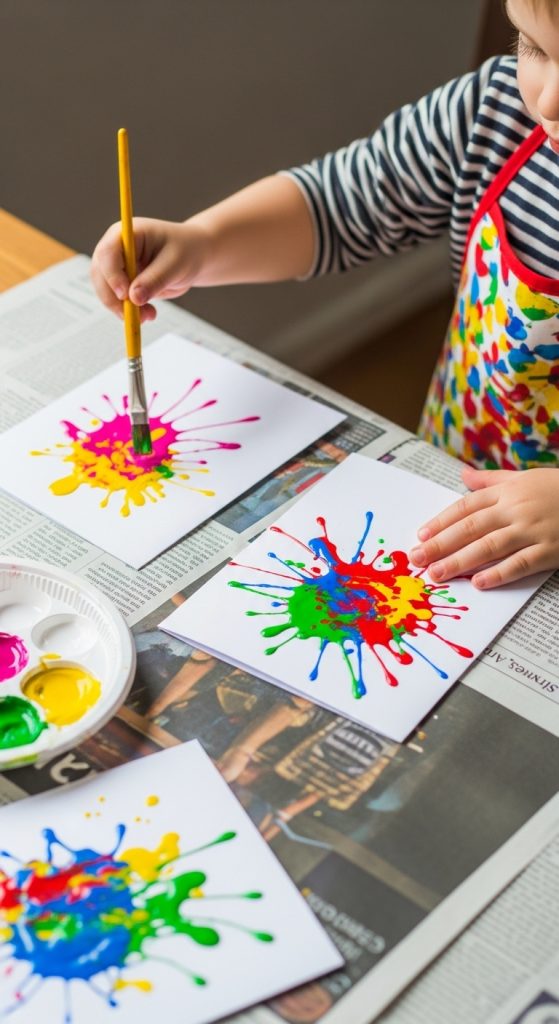
Paint splatter cards allow toddlers to create abstract art in a fun, energetic way. It is messy but rewarding and lets them experiment with color freely.
Materials Needed: Card stock, washable paints, brushes, old toothbrushes, and aprons or old clothes.
Preparation: Cover the workspace with newspaper or a plastic sheet. Ensure your toddler wears protective clothing.
Steps: Use a brush or toothbrush to flick paint onto the card. Encourage your toddler to choose colors and make patterns. Once dry, write a simple Mother’s Day message using markers.
Paint splatter cards help toddlers explore cause and effect while expressing creativity. Each splatter is unique, creating a dynamic and playful design. It’s a great option for energetic toddlers who like active involvement in art.
8. Sticker Surprise Card
Sticker cards are ideal for toddlers who enjoy arranging stickers and creating patterns without using glue or paint. This method is simple and less messy.
Materials Needed: Card stock, assorted stickers, markers, and optional colored paper.
Preparation: Select a variety of stickers, including hearts, flowers, animals, and letters. Pre-fold the card stock.
Steps: Let your toddler place stickers wherever they like on the card. Use markers to add a short message or the child’s name. You can also layer stickers for added dimension.
Sticker cards are easy for toddlers to handle independently. They encourage fine motor skills and decision-making while producing a visually appealing card. It is a stress-free option for parents who want a quick but meaningful craft.

9. Yarn Art Card
Yarn art introduces texture and creativity into card-making. Toddlers can create shapes, letters, or abstract designs with yarn.
Materials Needed: Yarn in various colors, glue, card stock, scissors, and markers.
Preparation: Cut yarn into short, manageable pieces for toddlers. Cover the workspace to prevent glue spills.
Steps: Show your toddler how to apply glue in patterns on the card and place the yarn on top. They can create shapes like hearts, flowers, or letters. Once dry, add a message with markers.
Yarn cards are tactile and engaging, allowing toddlers to explore texture and coordination. This craft also encourages patience as they carefully place each piece of yarn. The result is a vibrant, three-dimensional card that feels personal and special.

10. Bubble Wrap Print Card
Bubble wrap prints are a fun and surprising way to create textured cards. Toddlers enjoy pressing and rolling bubble wrap to make patterns.
Materials Needed: Bubble wrap, washable paint, roller or brush, card stock, and markers.
Preparation: Cut bubble wrap into small pieces. Spread newspaper on the table. Pour paint into shallow trays.
Steps: Paint the bubble side of the wrap and press it onto the card. Repeat with different colors for a layered effect. Let it dry, then add a short message or drawing.
Bubble wrap print cards are interactive and visually striking. Toddlers love the tactile experience of popping bubbles while making art. It also helps them understand patterns, color mixing, and repetition in a playful way.
