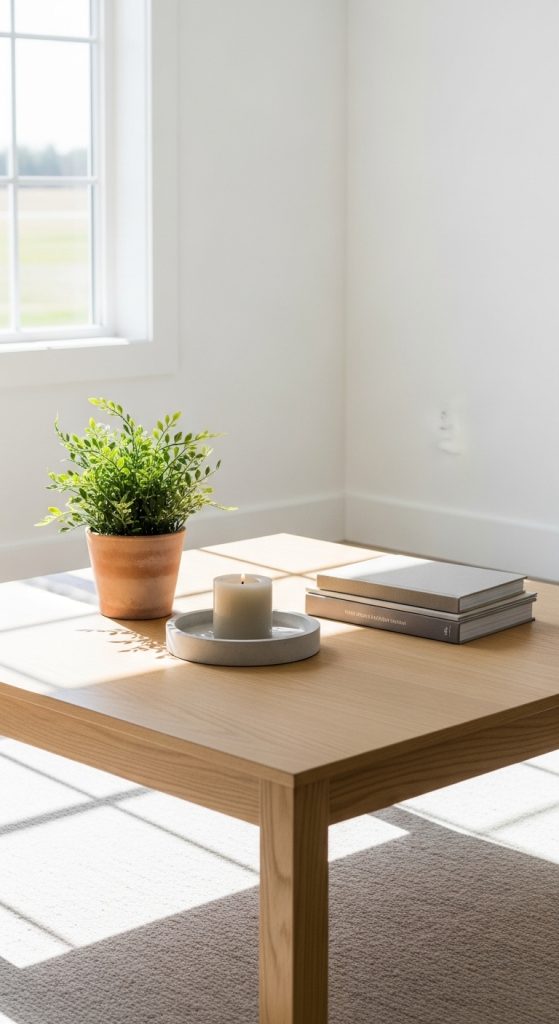

A coffee table is often the centerpiece of a living room. It sits at the heart of the seating area and naturally attracts attention. Because of this central position, decorating a coffee table thoughtfully can enhance the entire look and feel of the room. A well styled coffee table not only looks beautiful but also reflects the personality and lifestyle of the people living in the home. Whether your space is modern, traditional, minimalist, or rustic, the right coffee table decor can create balance, warmth, and visual interest.
Square coffee tables are especially popular because they offer symmetry and enough surface area for creative styling. However, their large flat surface can sometimes feel difficult to decorate without making it look cluttered or empty. The key is to divide the table visually and combine functional and decorative elements in a balanced way. This can include trays, books, candles, plants, decorative bowls, sculptures, and seasonal items.
Before decorating, it is important to consider the size of the table, the color scheme of the room, and how the table is used daily. A coffee table should remain practical while also serving as a decorative feature. Using layers, different heights, and grouped objects helps create an organized and attractive display.
The following ideas provide practical guidance for decorating a square coffee table. Each idea explains the preparation, materials needed, and simple steps to create a stylish and balanced arrangement that enhances the living room.
1. Use the Four Quadrant Styling Method
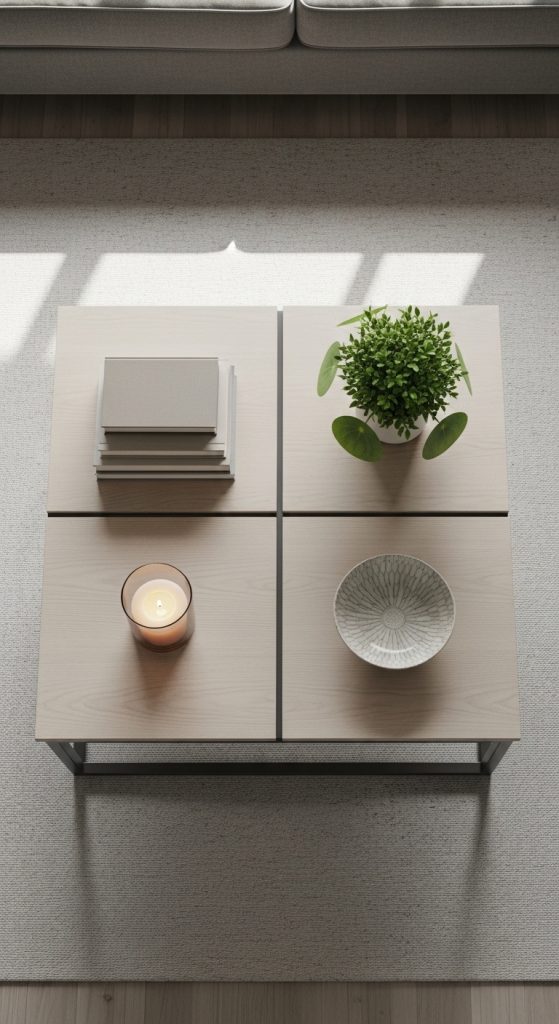
One of the easiest and most effective ways to decorate a square coffee table is by dividing it into four visual sections. This method creates balance and prevents the table from looking crowded or messy. The concept is simple: imagine the surface divided into four equal squares, and place one decor arrangement in each section.
Preparation begins by clearing the table completely and cleaning the surface. Then mentally divide the space into four quadrants. Each quadrant should contain one decorative element or a small grouping of items. The goal is to create variation in height, texture, and shape.
Materials you may use include decorative trays, stacked books, candles, small plants, or sculptural pieces. For example, one quadrant can contain a small tray with candles, another may feature a stack of books, the third could hold a decorative bowl, and the fourth might include a small plant.
When arranging the items, make sure they differ slightly in height so the table looks dynamic rather than flat. Also avoid placing four identical objects in each section, as this can make the display look too rigid.
This styling method works particularly well in family living rooms because it keeps the table organized while leaving enough space for practical use such as placing drinks or remote controls.
2. Create a Decorative Tray Centerpiece
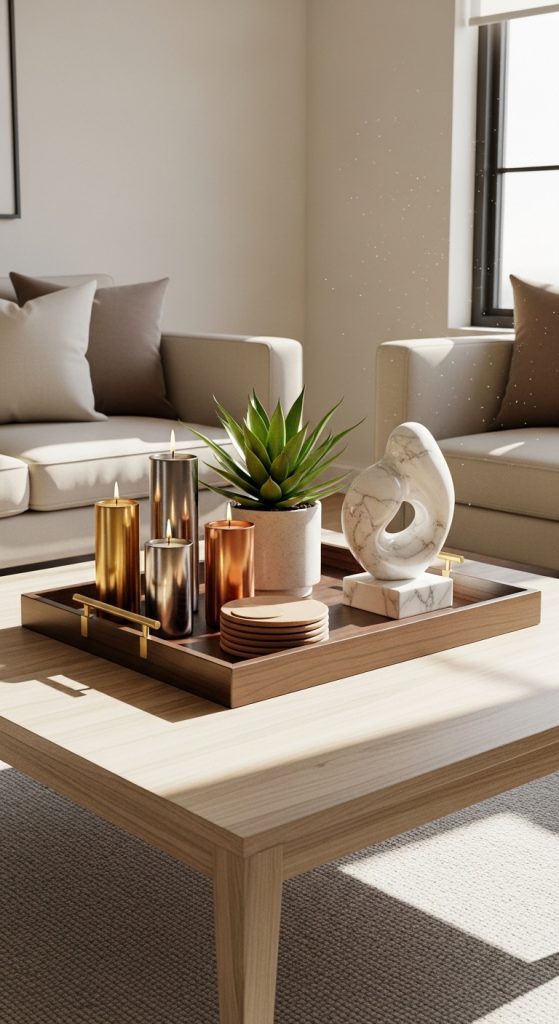
Using a decorative tray is one of the most popular and practical coffee table decor ideas. A tray helps group items together and prevents the table from looking scattered. It also makes cleaning and rearranging much easier.
Start by selecting a tray that complements the style of the room. Wooden trays work well in rustic or farmhouse interiors, metal trays suit modern spaces, and woven trays add warmth to natural themed rooms. The size should be large enough to hold several items but not so large that it covers most of the table.
Preparation involves deciding what items will be placed inside the tray. Common materials include candles, small plants, decorative beads, coasters, and a small sculpture. The key is to combine items with different heights and textures.
Place the tallest item at the back or center of the tray, such as a candle or vase. Then add medium height items like a plant or decorative object. Smaller items such as beads or coasters can fill the remaining space.
Keep the arrangement simple and balanced. Avoid overcrowding the tray with too many pieces. The purpose of the tray is to create a neat and organized focal point while still leaving the rest of the coffee table open and functional.
3. Style with Coffee Table Books
Coffee table books are both decorative and functional. They add personality, color, and visual weight to a coffee table arrangement. They also invite guests to browse through them, making the living room feel welcoming.
Start by choosing books that reflect your interests or match your interior design style. Popular options include books about art, architecture, travel, photography, or fashion. Hardcover books with attractive covers work best for display.
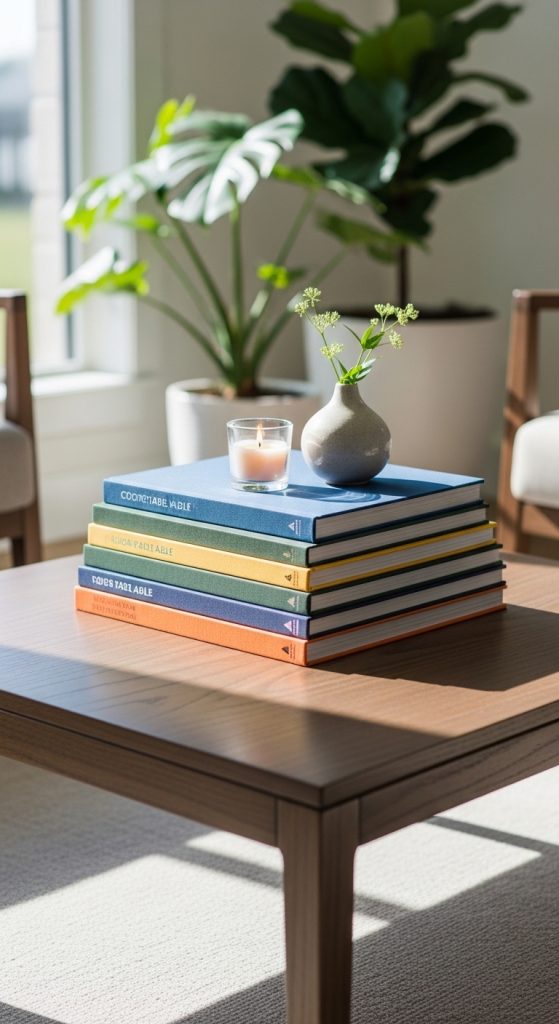
Preparation involves selecting two to four books with complementary colors or themes. Stack them neatly on one section of the table. Place the largest book at the bottom and the smallest on top to create a balanced stack.
Once the books are arranged, you can place a small decorative item on top of the stack. This might include a candle, a small sculpture, or a decorative bowl. This layering technique adds height and visual interest.
Coffee table books also help anchor other decorative items. For example, if you have a small vase or object that looks too small on the table alone, placing it on top of a book stack helps it stand out.
This styling idea works well in both modern and traditional living rooms and is one of the easiest ways to add sophistication to a square coffee table.
4. Incorporate Greenery or Fresh Flowers
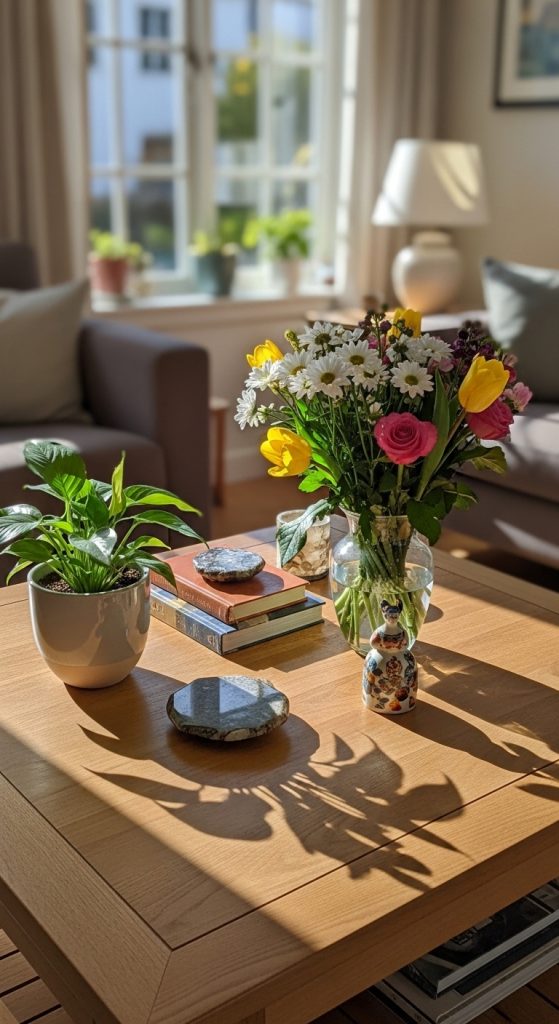
Plants and flowers bring life and freshness into a living space. Adding greenery to a coffee table softens the look of furniture and creates a calm, natural atmosphere in the room.
Start by selecting the right type of plant or floral arrangement. Small indoor plants such as succulents, ferns, or snake plants are ideal for coffee tables because they require little maintenance and do not grow too large. Fresh flowers in a small vase also create an elegant centerpiece.
Preparation involves choosing a container that complements the decor style. Ceramic pots, glass vases, or stone planters can all work well depending on the overall design of the room.
Place the plant in one quadrant of the square coffee table or use it as part of a tray arrangement. Make sure it does not block the view across the room or interfere with everyday use of the table.
To make the arrangement more interesting, combine the plant with other items such as a candle or small decorative object. The greenery will contrast beautifully with the other materials on the table.
Plants also improve the atmosphere of the living room by adding color, texture, and a natural element that makes the space feel more welcoming.
5. Use Candles for Warmth and Ambiance
Candles are a classic coffee table decoration because they create a warm and relaxing atmosphere. They also add height and elegance to the table arrangement.
Preparation begins by selecting candles that match the color palette of the room. Neutral colored candles such as white, beige, or gray are versatile and work in most interiors. Decorative candle holders made from metal, glass, or ceramic can enhance the overall design.
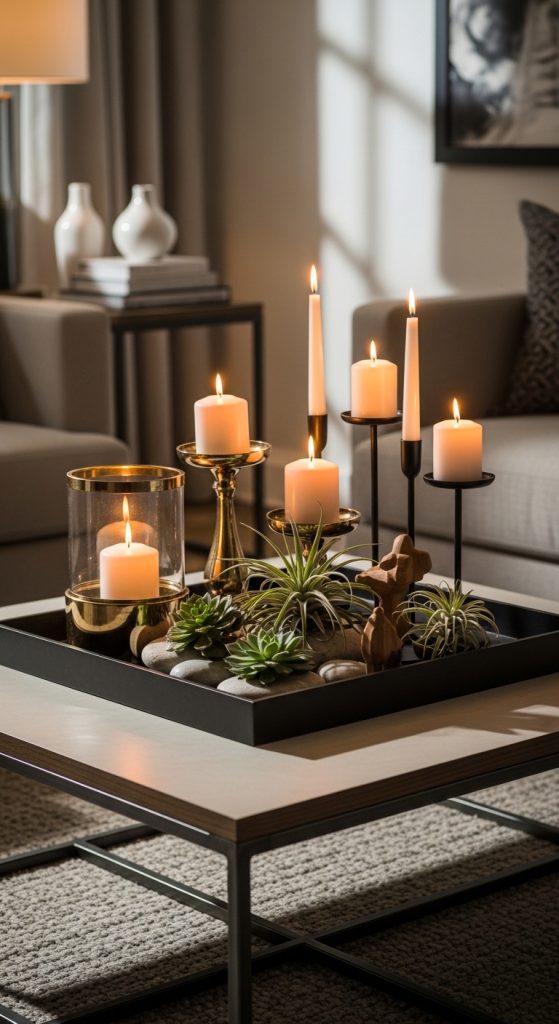
For a square coffee table, you can group candles in sets of two or three. Vary the height slightly to create visual interest. For example, you might use one tall candle holder and two shorter ones.
Another option is placing candles inside a decorative tray along with other items such as small plants or beads. This creates a cohesive centerpiece while keeping the table organized.
Safety is important when using candles. Make sure they are placed on stable holders and away from items that could catch fire. If you prefer a low maintenance option, LED candles can provide a similar look without the risk.
Candles are especially effective in the evening when their soft light adds warmth and comfort to the living room.
6. Add a Decorative Bowl or Sculptural Object
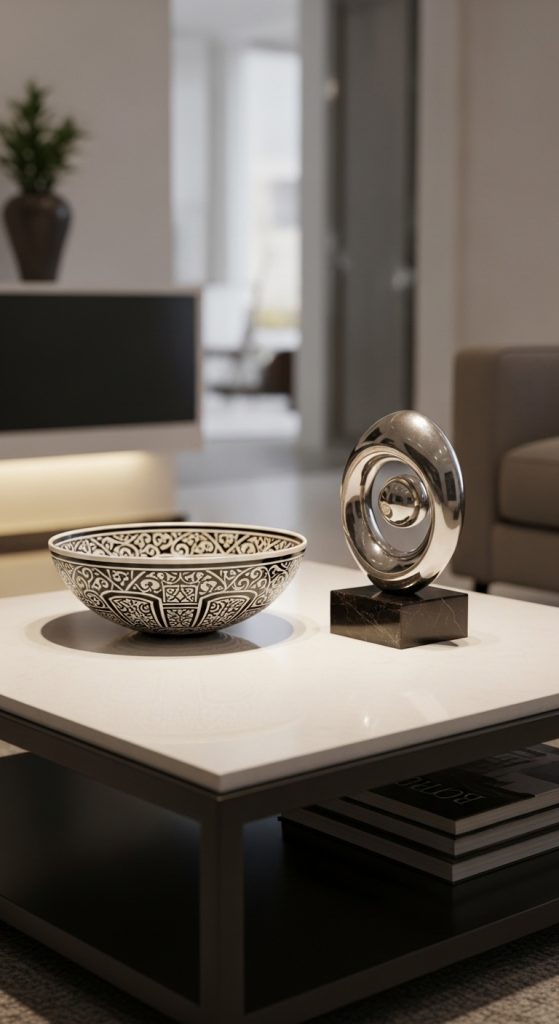
A decorative bowl or sculptural piece can act as a focal point for a coffee table. These objects add personality and artistic character to the space while keeping the decor simple.
Start by choosing a piece that complements the design style of your home. For example, a ceramic bowl works well in minimalist interiors, while a carved wooden bowl suits rustic settings. Sculptures made from metal, stone, or glass can also add a modern touch.
Preparation involves deciding whether the object will stand alone or be part of a larger arrangement. A large sculptural piece can be placed in the center of the table, while a smaller bowl may work better in one quadrant.
Decorative bowls can also serve a practical purpose. They can hold items such as decorative beads, coasters, or small seasonal decorations.
When selecting the object, consider its scale. The item should be large enough to stand out but not so large that it dominates the entire table.
This simple approach is ideal for homeowners who prefer a clean and uncluttered coffee table style.
7. Use Layering with Different Heights
Layering is an important design technique that helps a coffee table arrangement look dynamic and balanced. Without variation in height, the table can appear flat and uninteresting.
Preparation starts with gathering items of different heights. These may include books, candles, vases, small sculptures, and plants. The goal is to combine tall, medium, and low elements in one arrangement.
Begin with a base layer such as a stack of books or a tray. This provides a platform for other decorative objects. Next add medium height elements like small plants or decorative bowls. Finally include one taller item such as a candle holder or vase.
The arrangement should feel balanced rather than crowded. Leave some empty space on the table to keep the design clean and functional.
Layering works especially well on square coffee tables because it allows you to create several small compositions across the surface while maintaining harmony.
This technique is widely used by interior designers to make decor arrangements look thoughtful and professionally styled.
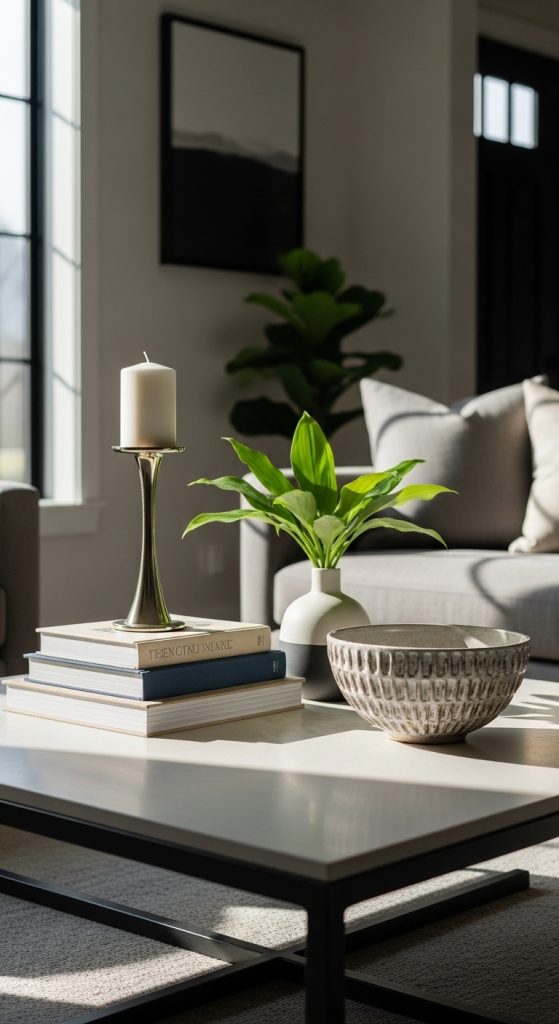
8. Introduce Natural Textures
Natural materials add warmth and depth to coffee table decor. Items made from wood, stone, rattan, or woven fibers create a relaxed and inviting look.
Preparation involves selecting decor pieces that highlight these textures. Examples include wooden trays, woven baskets, stone coasters, or ceramic vases. These materials work especially well in neutral or earthy interior color schemes.
Arrange these items in small groups across the coffee table. For instance, a woven tray can hold candles and a small plant, while a wooden bowl can sit in another section of the table.
Combining different textures helps create visual interest even when the color palette remains simple. For example, a smooth ceramic vase placed on a rough wooden tray creates contrast that draws the eye.
Natural textures also complement many popular interior styles including farmhouse, Scandinavian, coastal, and bohemian design.
Using these materials makes the coffee table feel connected to nature and helps create a calm and comfortable living environment.
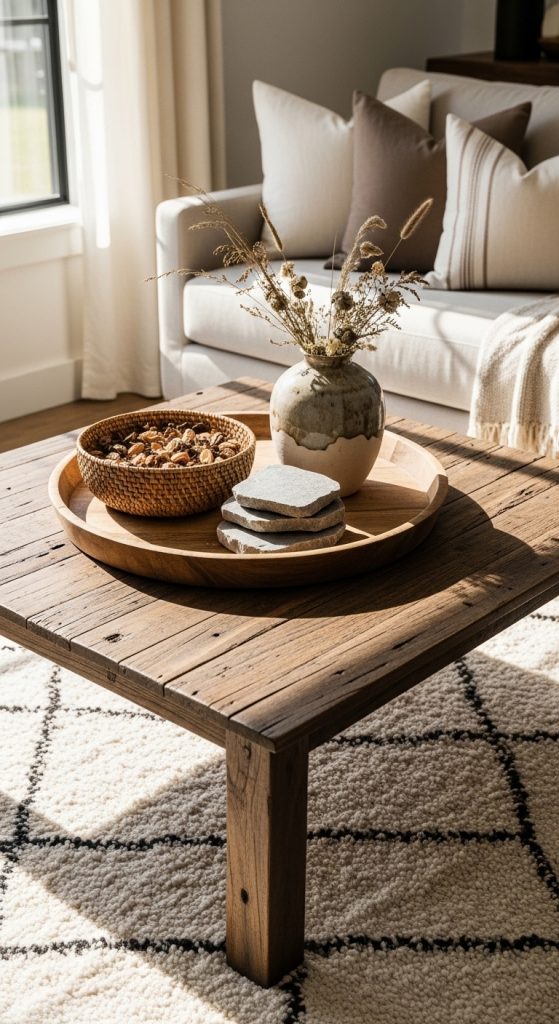
9. Change Decor Seasonally
Updating coffee table decor with the seasons keeps the living room feeling fresh and current throughout the year. Small seasonal adjustments can make a big difference without requiring a complete redesign of the space.
Preparation begins by identifying seasonal elements that match the time of year. In spring, fresh flowers and pastel colored accessories work well. Summer decor may include light colored trays, shells, or coastal elements.
Autumn is a great time to introduce warm tones such as brown, orange, and gold. Decorative pumpkins, candles, and wooden accents can create a cozy atmosphere. During winter holidays, items such as pine cones, festive candles, or small ornaments can be added.
To keep the table organized, limit seasonal decor to one or two elements. Combine them with your existing pieces such as trays or books so the arrangement remains balanced.
This approach allows you to refresh the living room decor regularly without spending too much money or time.
Seasonal styling also helps the coffee table reflect the mood and atmosphere of the time of year.
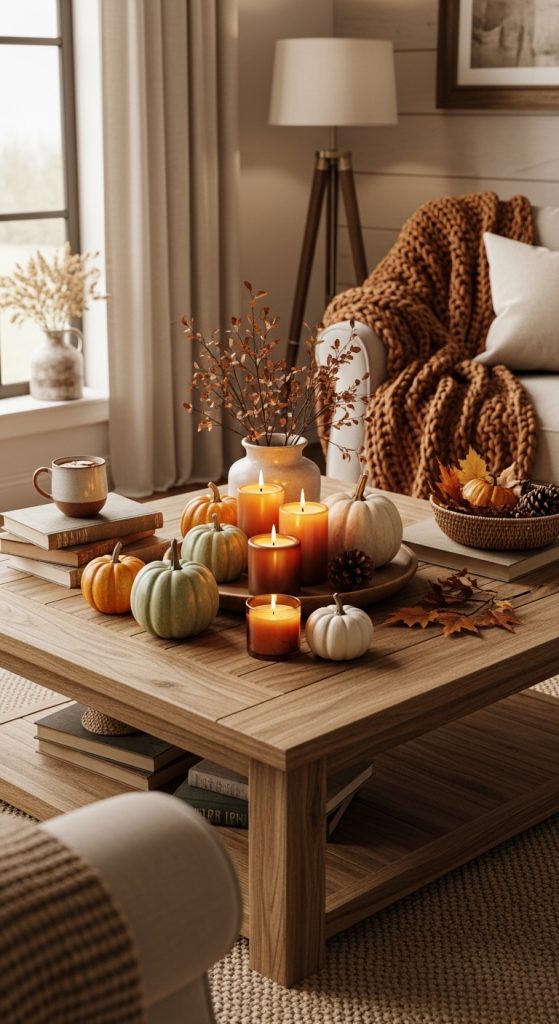
10. Keep the Table Functional and Minimal
While decorating a coffee table is important, it should never become so crowded that it loses its practical purpose. A coffee table is used daily for placing drinks, books, and remote controls, so functionality must remain a priority.
Preparation begins by deciding how much space should remain clear. Interior designers often recommend leaving at least half of the table surface open for everyday use.
Choose a few meaningful decor items instead of filling the entire table with objects. A tray, a small plant, and a stack of books may be enough to create a stylish arrangement.
Keeping the decor minimal also makes the room feel calmer and more organized. Too many small objects can create visual clutter and make cleaning difficult.
Another advantage of minimal styling is flexibility. It becomes easy to rearrange or replace items when needed.
A well balanced coffee table combines beauty and practicality. By keeping the decor simple and intentional, you can create a centerpiece that enhances the living room while still serving its everyday function.