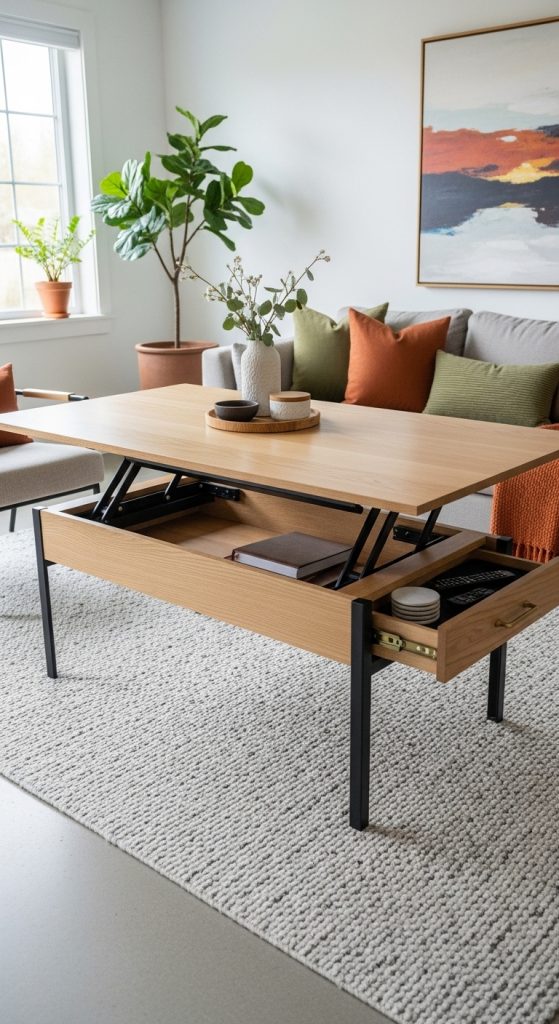

When it comes to furnishing a living room, the coffee table plays a crucial role. Not only is it a functional piece of furniture where you place drinks, books, and decorative items, but it also contributes significantly to the style and comfort of your space. Traditionally, coffee tables are slightly lower than or level with the seating height of your couch. However, coffee tables that are higher than the couch are gaining popularity due to their unique design and practical advantages.
High coffee tables offer several benefits, including easier access while sitting, a better surface for working on a laptop, or even creating a distinctive modern aesthetic. They can transform the way you use your living room by encouraging a more upright seating position, which can be comfortable for certain tasks. These tables also provide a focal point in the room and can complement a variety of interior design styles. Choosing the right height, material, and style is essential to ensure both functionality and visual appeal. In this guide, we will explore ten important aspects of selecting, using, and maintaining a coffee table higher than the couch.
1. Choosing the Right Height
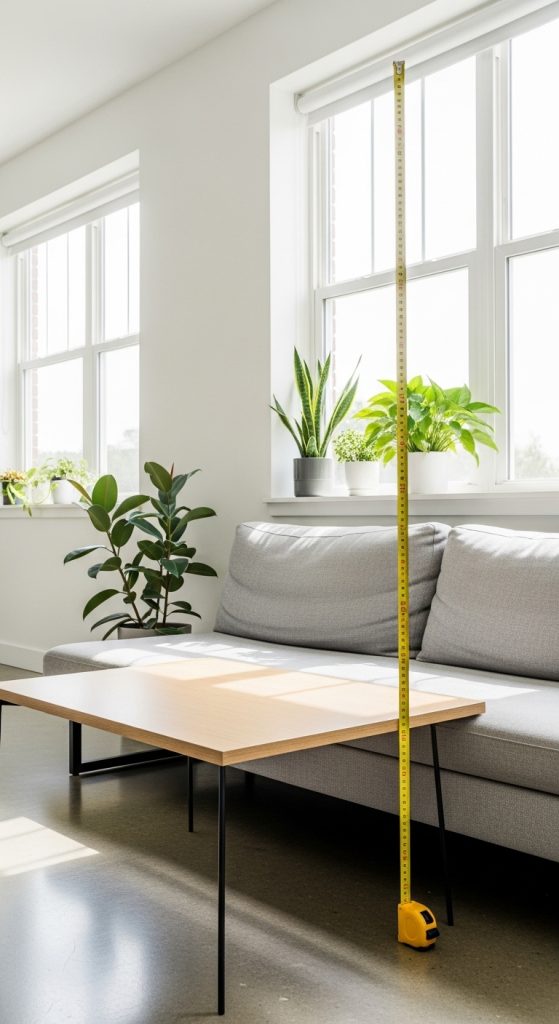
When selecting a coffee table that is higher than your couch, measuring accurately is essential. Most standard couches have a seat height between 16 and 20 inches, while traditional coffee tables are 14 to 18 inches high. A higher coffee table can range from 20 to 28 inches, depending on your couch height and personal comfort.
The right height allows for easy access to drinks, snacks, or work materials without straining your arms or shoulders. It also creates a balanced visual proportion in your living room. If the table is too high, it can look awkward and be uncomfortable to use, while a table that is too low may defeat the purpose of a taller design. Measure the distance from the floor to your couch seat and add 2 to 6 inches to find an ideal height range. Keep in mind your lifestyle and usage patterns—if you plan to work or eat at the table often, a slightly higher model may be preferable.
2. Selecting the Material
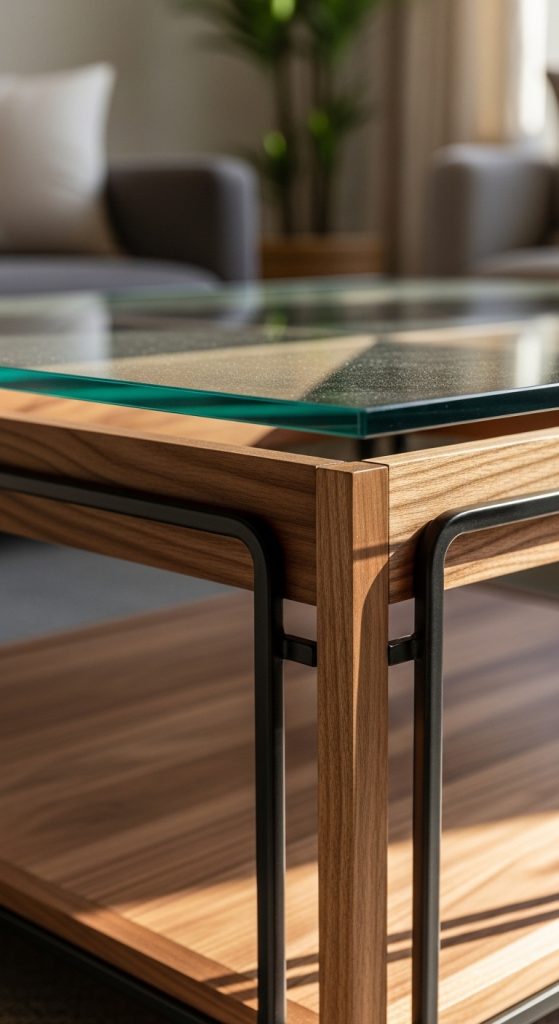
The material of a high coffee table affects both its durability and aesthetic appeal. Popular options include wood, metal, glass, and engineered composites. Solid wood is sturdy, long-lasting, and adds warmth to a living room. Metal tables provide a sleek, modern look and are easy to clean. Glass tops offer a light and airy feel but require careful handling to avoid scratches and breaks.
Consider your lifestyle when choosing material. For families with children, durable materials like hardwood or metal are safer choices. For minimalistic or contemporary spaces, glass or acrylic can maintain a clean appearance. Some tables combine materials, such as metal legs with wooden tops, offering both strength and style. Pay attention to finishes as well; a matte finish may hide scratches better, while glossy surfaces look elegant but show fingerprints easily. Ultimately, the material should match your living room decor while supporting the higher structure safely.
3. Ensuring Stability and Safety
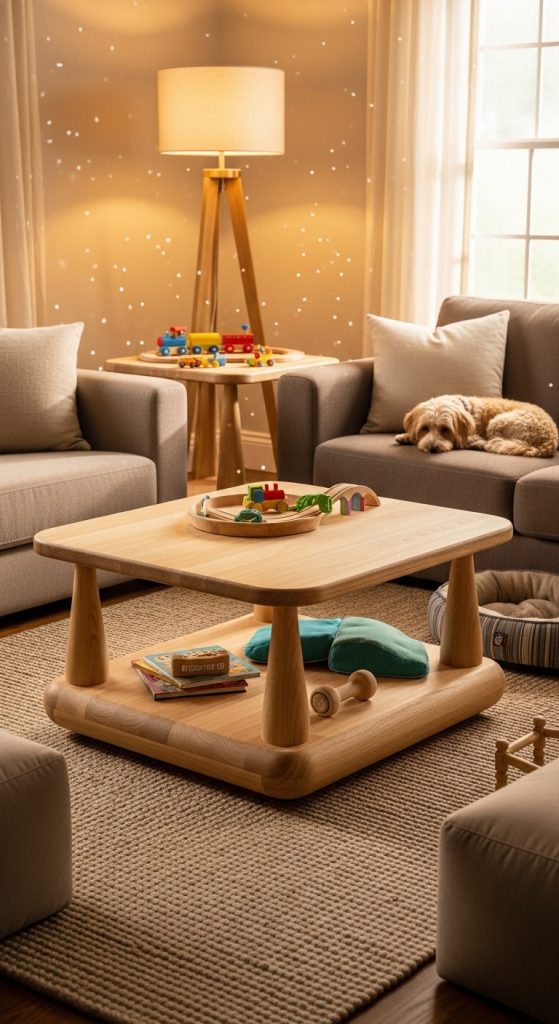
A higher coffee table can pose stability risks if not designed well. Tables with a narrow base or uneven legs are prone to tipping, especially if used frequently or by children. When choosing a tall table, prioritize one with a broad, sturdy base and well-balanced legs. Tables with adjustable feet can help level the surface on uneven flooring.
Safety considerations are important. A high table with sharp corners can cause injury if someone bumps into it, so rounded edges are often recommended. Heavy tables made of solid wood or metal tend to be more stable but require more effort to move. Lightweight tables may be easier to reposition but could be knocked over more easily. Test the table in-store if possible or check reviews for comments on sturdiness. A properly designed high coffee table balances height with weight distribution to ensure comfort and safety.
4. Matching with Couch Style
The style of your couch plays a significant role in determining the appropriate high coffee table. Traditional couches with plush cushions may pair well with sturdy wooden tables, while modern, low-profile couches can be complemented by sleek metal or glass designs. Pay attention to proportions—your table should not overwhelm the couch visually or physically.
Color and finish coordination is also important. For a cohesive look, choose a table that either matches or contrasts tastefully with your couch upholstery. Matching wood tones create harmony, while contrasting metal or black finishes can add visual interest. High tables can serve as statement pieces, so a bold design might work well in minimalist settings. The key is to maintain balance between comfort and style, ensuring the table enhances your living room rather than creating clutter or awkward spacing.
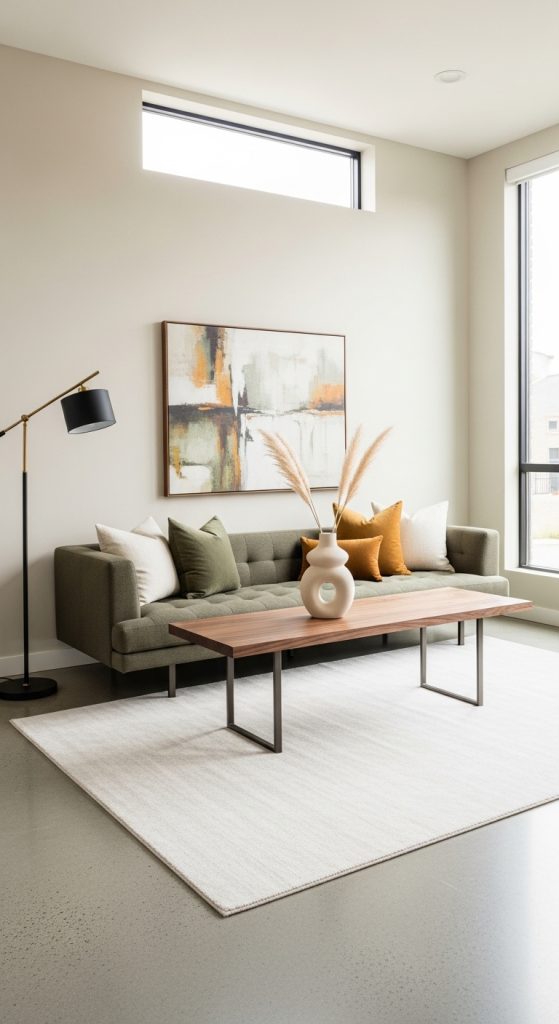
5. Functional Use
High coffee tables offer unique functional advantages. They provide an elevated surface that makes it easier to reach items without leaning forward. This is particularly useful for working on laptops, eating meals, or holding decorative items like vases or candles. Some taller tables are designed with built-in storage, such as drawers or shelves, offering extra space for books, magazines, or remote controls.
Consider how you will primarily use the table. If you want a work-friendly surface, choose a height that aligns with arm level when seated. For entertainment purposes, a slightly lower high table may suffice. Multi-functional tables with extendable or adjustable heights can adapt to different needs. This versatility makes high coffee tables practical for both everyday use and special occasions.

6. Placement in the Living Room
The placement of a high coffee table affects both accessibility and flow in your living room. Typically, the table should be positioned 12 to 18 inches from the front of the couch to allow for comfortable legroom. Avoid placing the table too close, as it may feel cramped, or too far, making it difficult to reach.
In larger living rooms, consider pairing the high table with multiple seating areas or accent chairs. Placing the table near natural focal points, such as a fireplace or television, can enhance its utility and aesthetic impact. Ensure enough walking space around the table to prevent accidents. Using rugs or mats can help anchor the table and define the area visually. Correct placement ensures that the table is both functional and a harmonious part of the room’s layout.
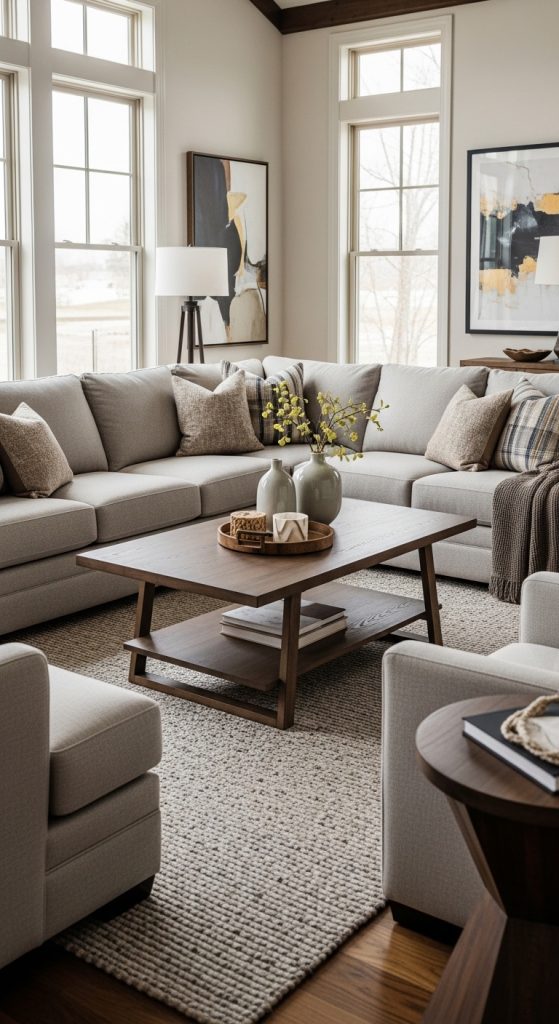
7. Maintenance and Cleaning
High coffee tables require regular maintenance to keep them looking good and functioning properly. Materials like wood may need polishing or oiling, while glass surfaces require regular cleaning to remove fingerprints and dust. Metal tables may need occasional wiping to prevent rust or tarnish.
Avoid harsh chemicals that can damage the surface finish. For wood, use a soft cloth and mild wood cleaner. For glass, a mixture of water and vinegar can effectively clean without streaks. Keep coasters, placemats, and protective pads handy to prevent stains or scratches. Regular maintenance not only preserves the table’s appearance but also extends its lifespan, ensuring that your investment continues to enhance your living room for years to come.

8. Budget Considerations
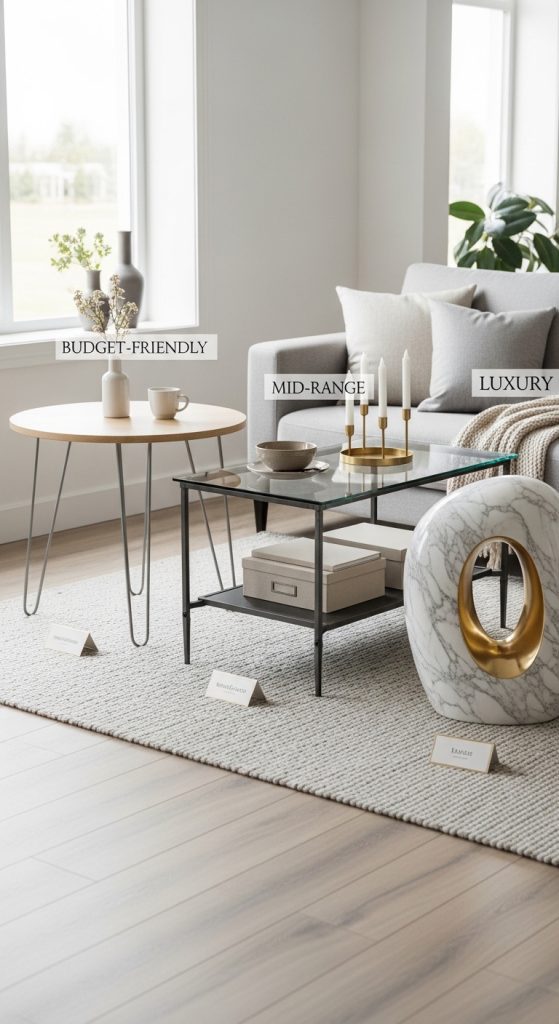
High coffee tables come in a wide range of prices depending on material, brand, and design complexity. Solid wood tables are generally more expensive due to the material cost and craftsmanship. Glass and metal designs can vary widely, with simple designs being budget-friendly and designer pieces costing significantly more.
When setting a budget, consider not only the initial cost but also long-term durability and maintenance. A higher-quality table may last longer and require less upkeep, making it more cost-effective over time. Look for sales, discounts, or second-hand options if cost is a concern. Balancing quality, style, and affordability ensures you get a table that fits both your needs and your wallet.
9. Accessorizing the Table
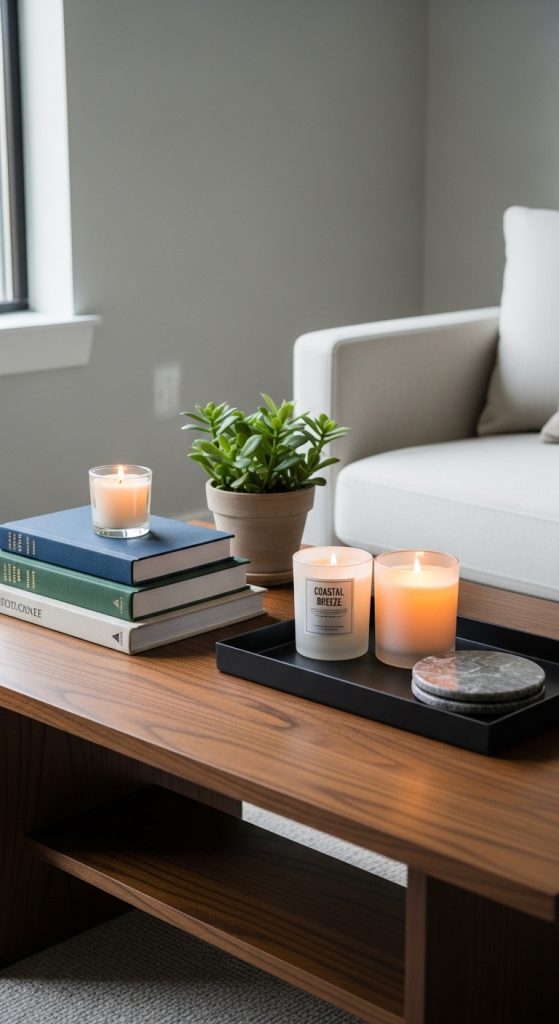
A high coffee table can serve as a canvas for decor and practical items. Consider adding items like trays, books, small plants, candles, or bowls. Arrange objects thoughtfully to maintain a clean and uncluttered appearance. Tall tables allow for layering decorative items at different heights, adding visual interest.
Functionality and style should be balanced. Avoid overcrowding the surface, as this can make the table feel cluttered and reduce usability. Seasonal accessories or rotating items can refresh the look of your living room. Proper accessorizing enhances the table’s visual appeal while keeping it practical for everyday use.
10. Customization Options
If standard high coffee tables do not fit your space or style, consider customization. Many furniture makers and online retailers offer options to adjust height, size, material, and finish. Custom tables allow you to match the exact dimensions of your couch and room layout while selecting the material and design that best suits your taste.
Customization can also include functional features such as hidden storage compartments, adjustable surfaces, or modular designs. While custom pieces may cost more, they provide a tailored solution that maximizes comfort, style, and practicality. Investing in a custom high coffee table ensures that the piece meets your exact needs and enhances the overall harmony of your living room.