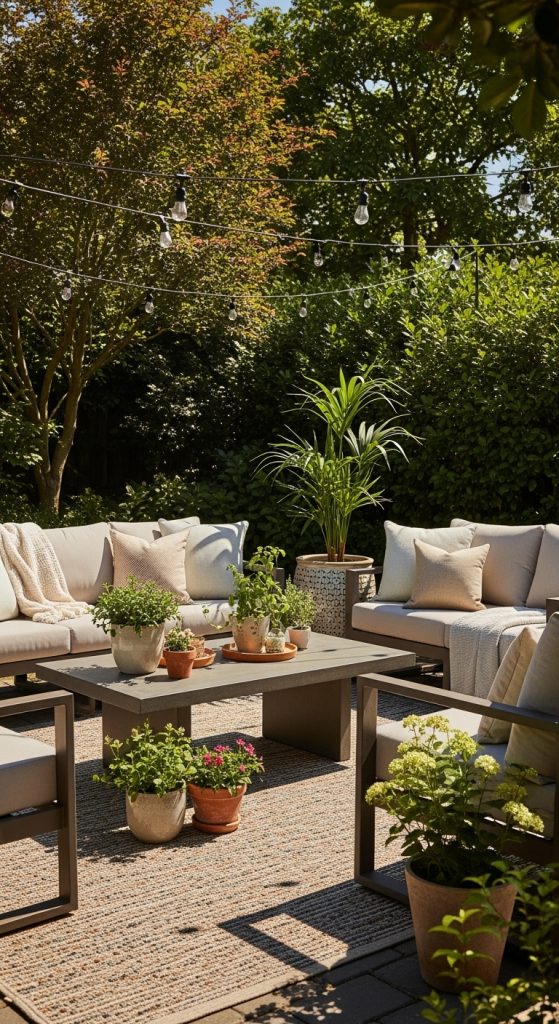
Creating a beautiful and functional patio area in your backyard does not have to be expensive or complicated. With some creativity, planning, and basic tools, you can transform your outdoor space into a relaxing retreat for family gatherings, quiet evenings, or entertaining guests. DIY patio projects are especially rewarding because they allow you to customize every detail according to your taste, budget, and available space. Whether you have a small yard or a large open area, there are countless ways to design a patio that suits your lifestyle.
Before starting any project, it is important to plan carefully. Consider the size of your backyard, the purpose of the patio, and the materials you can easily access. Think about factors such as weather conditions, drainage, and maintenance requirements. Having a clear plan will help you avoid unnecessary expenses and mistakes. It is also useful to gather all required tools and materials in advance to ensure a smooth workflow.
In this guide, you will find ten practical DIY patio ideas. Each idea includes preparation steps, materials needed, and helpful tips to achieve the best results. These ideas are simple, affordable, and suitable for beginners as well as experienced DIY enthusiasts.
1. Gravel Patio Design
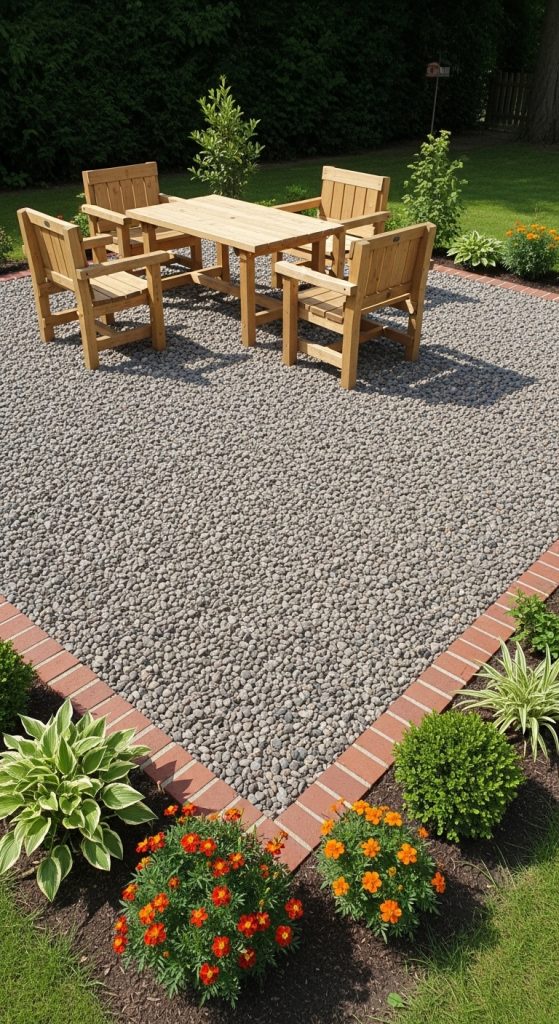
A gravel patio is one of the easiest and most budget-friendly options for a backyard makeover. It provides a clean and modern look while requiring minimal construction skills.
Start by selecting a flat area in your yard. Clear the space of grass, weeds, and debris. Mark the boundary of your patio using wooden stakes and string. Dig the area about 3 to 4 inches deep to create a base. Lay landscape fabric to prevent weed growth. This step is essential for long-term maintenance.
Next, add a layer of crushed stone or sand for proper drainage. Compact the base using a hand tamper or plate compactor. After that, spread decorative gravel evenly across the surface. Choose gravel size carefully; medium-sized stones work best for stability and comfort.
Materials needed include landscape fabric, gravel, crushed stone, wooden stakes, and basic tools like a shovel and rake.
To enhance the look, you can add border edging using bricks, stones, or metal strips. Gravel patios are low maintenance, but occasional raking and topping up may be required.
2. Concrete Slab Patio
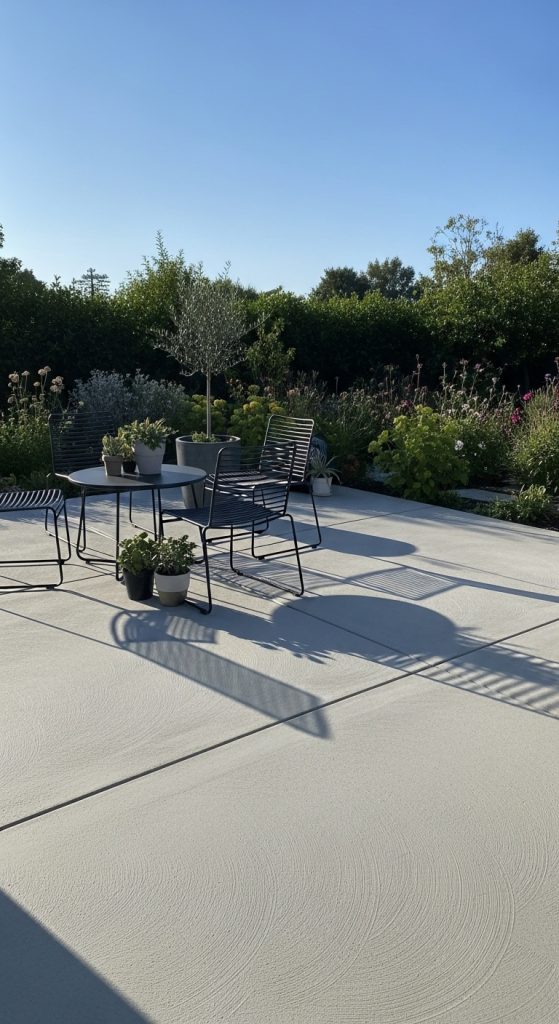
A concrete patio offers durability and a clean, modern appearance. It is ideal for those looking for a long-lasting solution.
Begin by preparing the ground. Remove grass and level the area. Build a wooden frame to outline the shape of your patio. Ensure the frame is level and secure. Add a layer of gravel as a base for drainage.
Mix concrete according to the instructions and pour it into the frame. Spread it evenly using a shovel and smooth the surface with a trowel. For a decorative touch, you can create patterns or textures before the concrete sets.
Materials required include cement, sand, gravel, wooden boards for framing, and finishing tools.
Allow the concrete to cure for at least 24 to 48 hours. Avoid heavy use during this time. Once cured, you can seal the surface to protect it from weather damage.
Concrete patios are strong and easy to clean. However, proper installation is important to prevent cracks.
3. Wooden Deck Patio
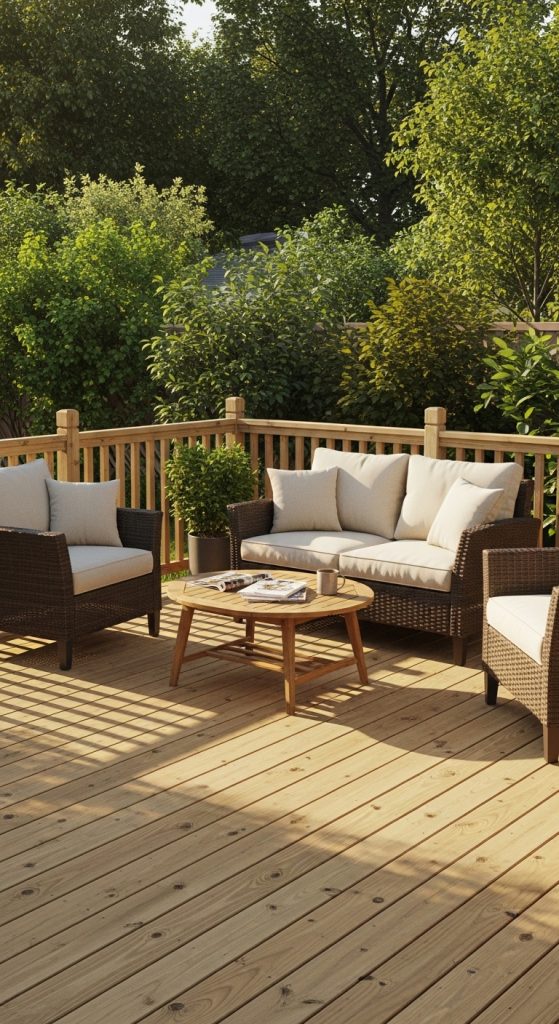
A wooden deck patio adds warmth and natural beauty to your backyard. It is perfect for creating a comfortable seating area.
Start by measuring your space and designing the layout. Use pressure-treated wood for durability. Build a sturdy frame using wooden beams and secure it with screws or nails. Ensure the structure is level and stable.
Attach wooden planks to the frame, leaving small gaps for drainage. Sand the surface to remove rough edges and apply a weather-resistant sealant or stain.
Materials include wooden planks, beams, screws, a drill, saw, and protective coatings.
Wooden decks require regular maintenance such as sealing and cleaning. However, they offer a classic look and can be customized with railings, steps, or built-in seating.
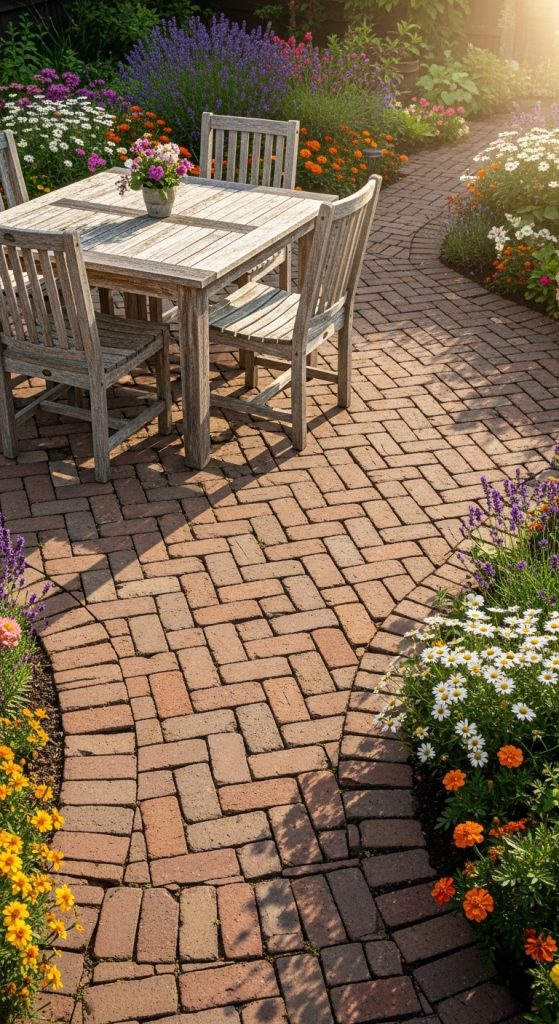
4. Brick Patio Layout
Brick patios are timeless and elegant. They provide a strong surface and a traditional aesthetic.
Begin by clearing and leveling the ground. Add a layer of sand and compact it. Lay bricks in your desired pattern, such as herringbone or basket weave. Use a rubber mallet to secure them in place.
Fill the gaps between bricks with sand and sweep off the excess. This helps lock the bricks together.
Materials needed include bricks, sand, and basic tools.
Brick patios are durable and easy to repair. If a brick gets damaged, it can be replaced without affecting the entire structure.
5. Stone Patio Design
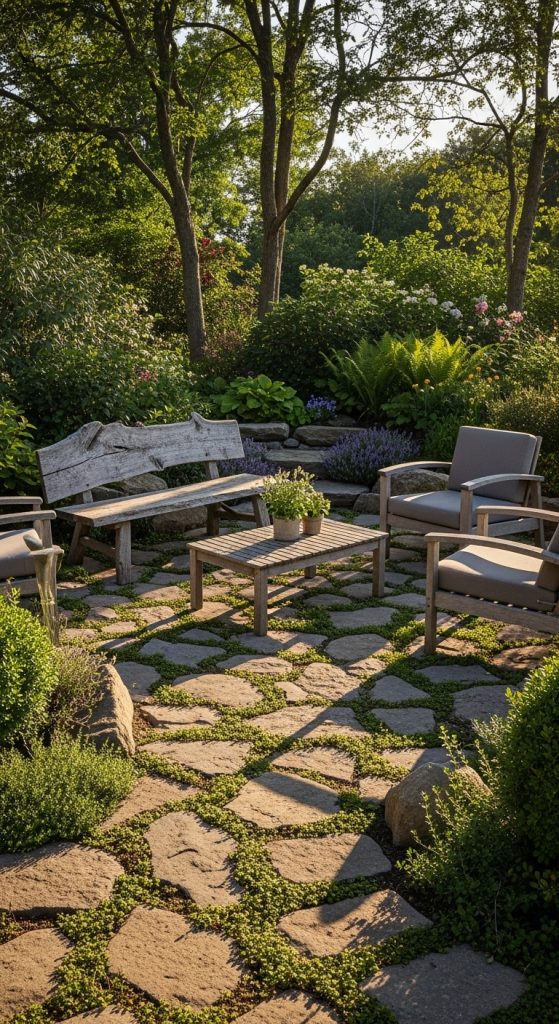
Natural stone patios create a rustic and organic feel. They blend well with gardens and landscaping.
Prepare the area by removing grass and leveling the ground. Lay a base of sand or gravel. Place stones in a pattern, leaving small gaps between them.
Fill gaps with sand, gravel, or ground cover plants for a natural look.
Materials include natural stones, sand, and landscaping tools.
Stone patios are visually appealing and long-lasting. However, they may require more effort during installation due to uneven shapes.
6. Pallet Patio Platform
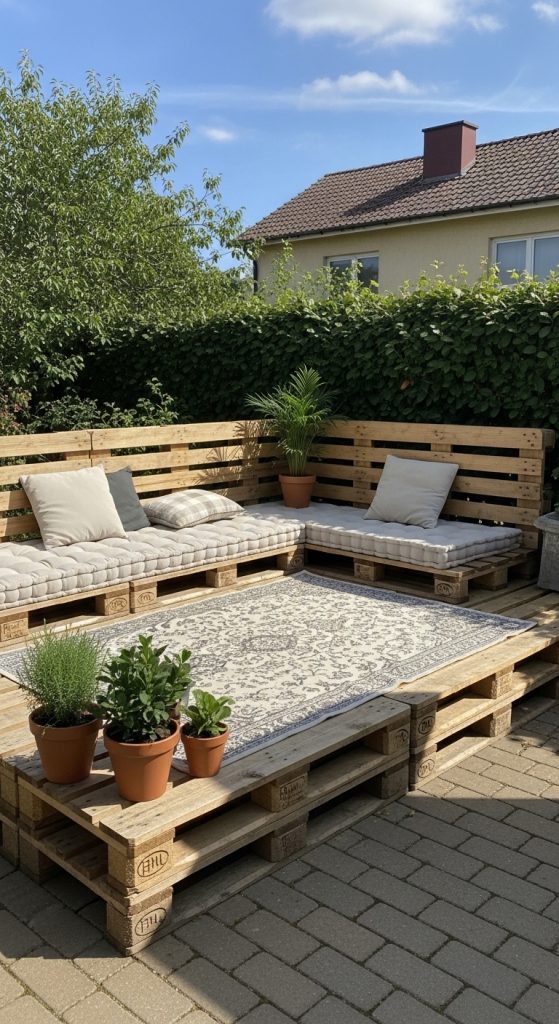
Using wooden pallets is an eco-friendly and cost-effective way to build a patio.
Collect sturdy pallets and clean them thoroughly. Arrange them in your desired layout and secure them together. You can stack pallets for added height.
Cover the top with plywood or outdoor rugs for a smoother surface.
Materials include pallets, screws, and finishing materials.
Pallet patios are easy to assemble and can be customized with paint or cushions.
7. Tile Patio Area
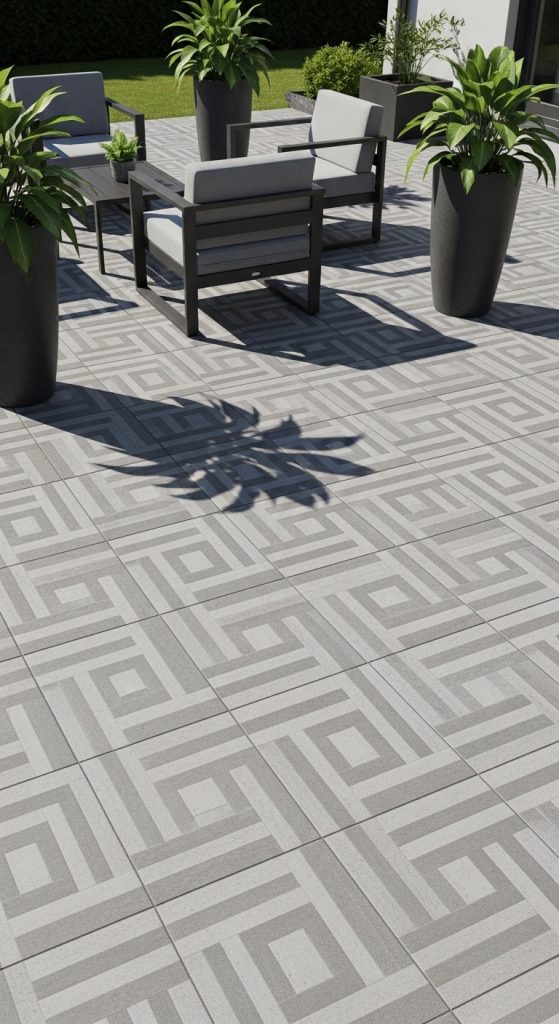
Tiles can create a stylish and polished patio.
Prepare a concrete base or use an existing surface. Apply adhesive and place tiles carefully. Use spacers for even gaps.
Grout the tiles and clean the surface.
Materials include outdoor tiles, adhesive, grout, and tools.
Tiles are easy to clean but may require maintenance in extreme weather.
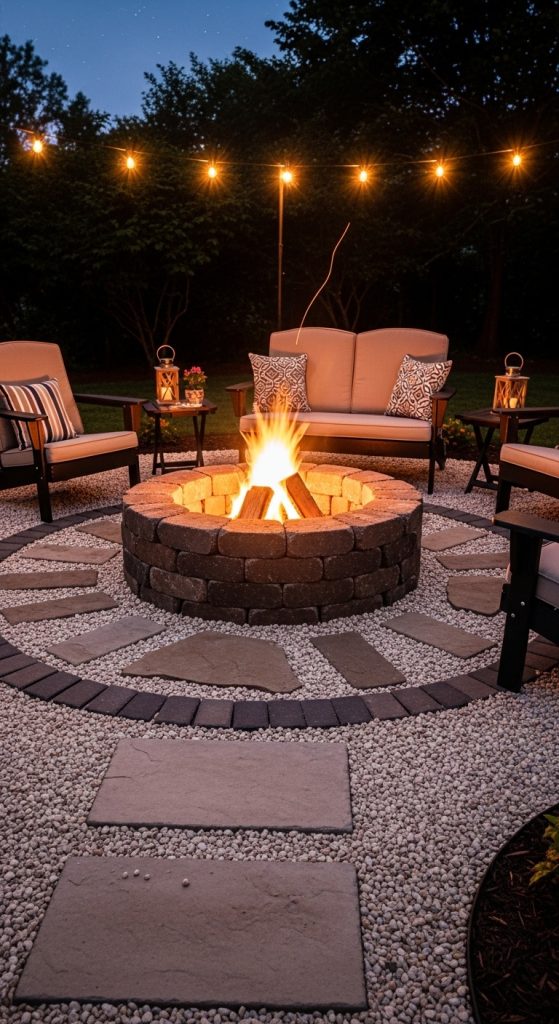
8. Fire Pit Patio Setup
A fire pit patio creates a cozy gathering space.
Choose a safe location away from structures. Build a circular base using stones or bricks. Install the fire pit in the center.
Add seating around the pit for comfort.
Materials include fire pit kit, stones, and seating.
Always follow safety guidelines when using a fire pit.
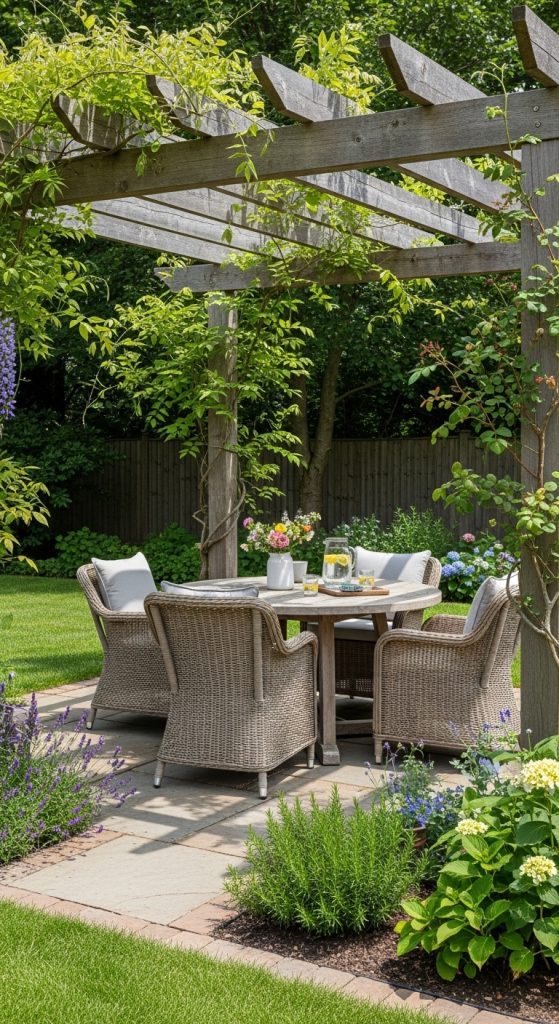
9. Pergola Covered Patio
A pergola adds shade and structure to your patio.
Build a frame using wooden posts and beams. Secure it firmly into the ground. Add climbing plants or fabric for shade.
Materials include wood, screws, and tools.
Pergolas enhance aesthetics and provide partial shade.
10. Outdoor Living Room Patio
Transform your patio into an outdoor living space.
Use weather-resistant furniture, rugs, and lighting. Arrange seating to create a comfortable environment.
Add decorative elements like plants and cushions.
Materials include outdoor furniture and decor items.
This setup creates a relaxing and inviting atmosphere.