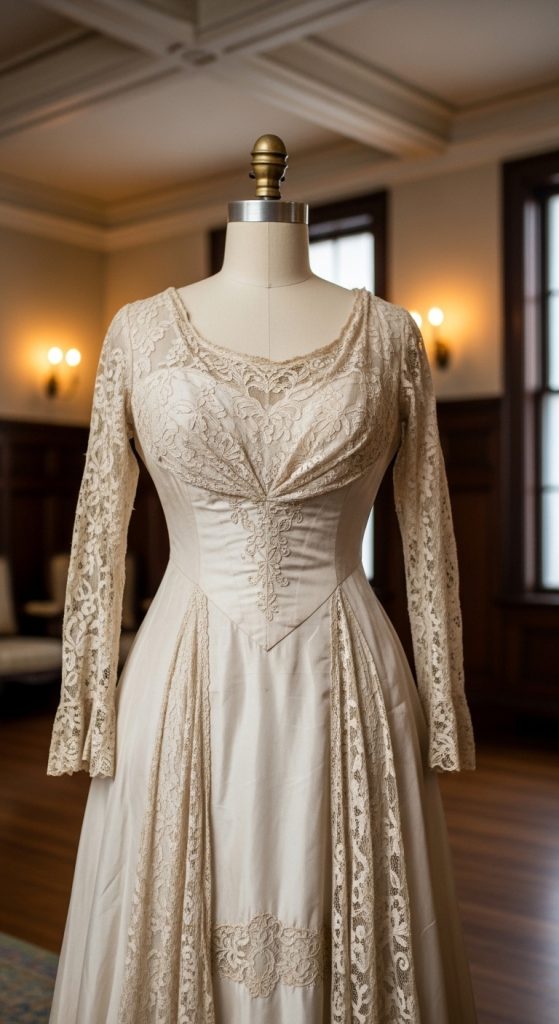
Vintage wedding dresses have a timeless charm that many modern brides love. These dresses tell stories from the past and carry details that are often hard to find in contemporary designs. From delicate lace sleeves to flowing satin skirts, vintage gowns reflect the beauty, culture, and craftsmanship of different eras. Brides who choose vintage styles often want something unique, romantic, and meaningful. A vintage wedding dress can make a bride feel connected to history while still expressing her own personality.
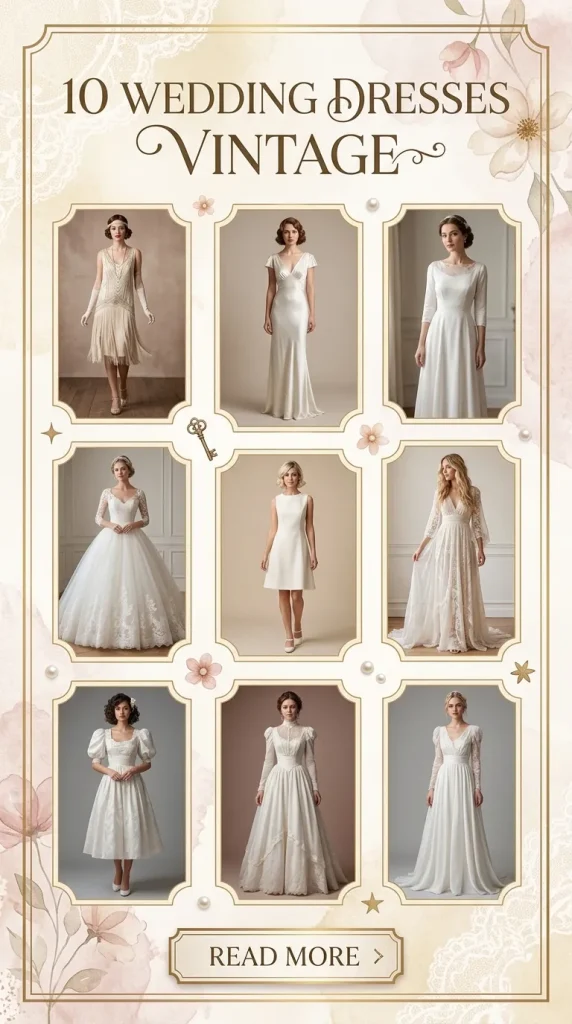
When preparing for a vintage wedding dress, there are many important factors to consider. These include fabric choice, tailoring, restoration, storage, and proper care. Whether you are buying a true antique gown or choosing a modern dress inspired by vintage fashion, preparation plays a big role in the final look. Understanding materials, construction techniques, and styling details will help you make the right decision. In this detailed guide, we will explore ten beautiful vintage wedding dress styles, along with preparation tips, materials used, and other important information to help brides choose the perfect gown for their special day.
1. Victorian Era Lace Gown
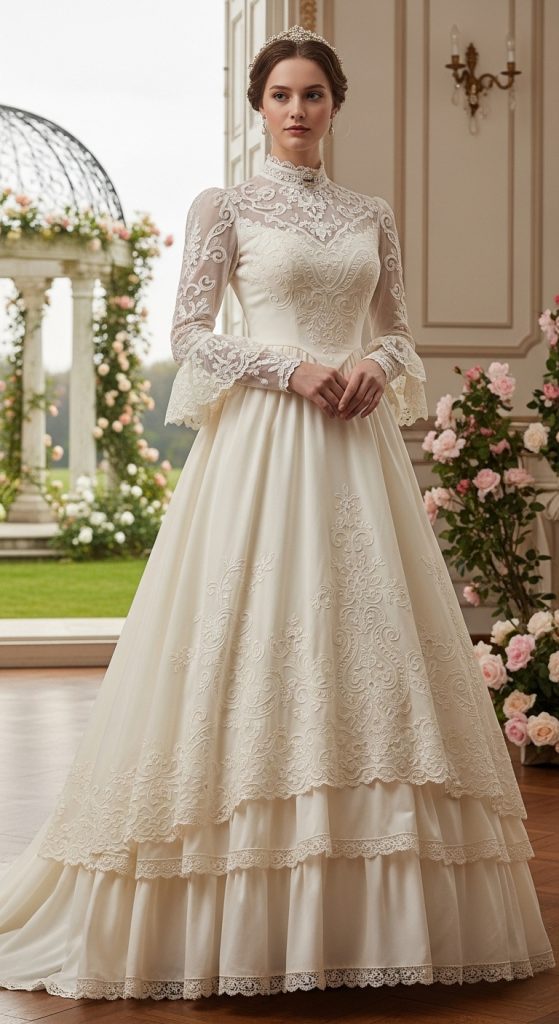
The Victorian era wedding dress is known for its modesty and detailed craftsmanship. These dresses often feature high necklines, long sleeves, and fitted bodices. Lace is the most important material used in this style. Fine cotton lace, silk lace, and handmade embroidery were popular during this time. The skirts are usually full and may include layers of petticoats underneath to create volume.
Preparation for a Victorian lace gown requires careful attention to fabric quality. If you are purchasing an authentic antique dress, check for fabric weakness, discoloration, or damaged seams. Restoration may be needed, and this should be handled by a professional who specializes in delicate fabrics. If you are choosing a modern reproduction, select high quality lace that feels soft but strong.
Undergarments are important for this style. A structured corset or supportive bodice lining helps maintain the traditional silhouette. Proper storage before the wedding is also essential. Keep the dress in a breathable garment bag and avoid plastic covers that trap moisture. This style works beautifully for traditional church weddings or formal venues, creating a romantic and elegant look.
2. Edwardian High Neck Silk Dress
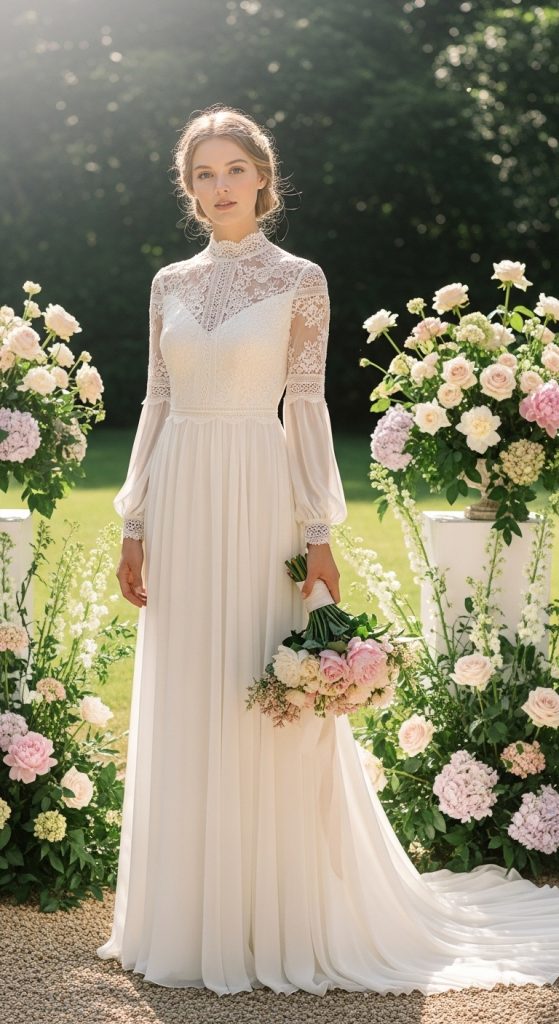
Edwardian wedding dresses are softer and lighter compared to Victorian styles. They often feature flowing silhouettes with high necklines and delicate lace inserts. Silk chiffon, silk satin, and lightweight cotton were commonly used materials. The look is feminine and graceful, with less structure and more natural movement.
When preparing an Edwardian style dress, fabric care is very important. Silk is delicate and can easily stain or wrinkle. Make sure to store the dress flat or hang it properly with padded hangers to prevent stretching. If it is an antique piece, inspect it carefully for tears, especially around the neckline and sleeves.
The understructure is usually lighter than Victorian gowns. A simple slip or soft petticoat may be enough to support the shape. Steaming the dress before the ceremony should be done carefully to avoid water marks. This style pairs well with soft hairstyles and minimal jewelry. Brides who love a light, romantic look often choose Edwardian dresses for garden weddings or outdoor ceremonies.
3. 1920s Flapper Style Wedding Dress
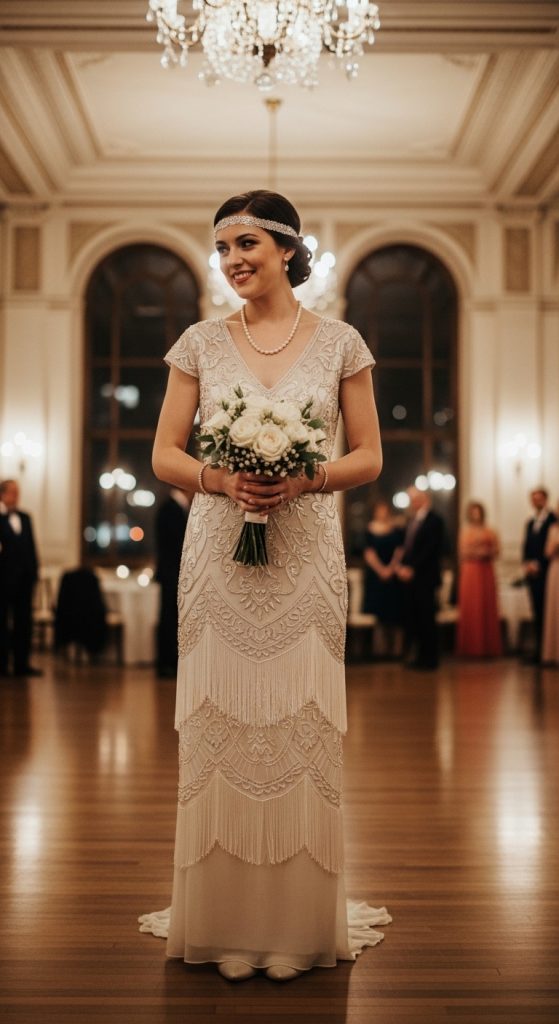
The 1920s flapper wedding dress is known for its straight silhouette and dropped waistline. It reflects freedom and modern thinking from that era. Common materials include silk crepe, chiffon, and beaded lace. Many dresses from this time feature hand sewn beadwork and fringe details that add movement.
Preparation for a 1920s dress involves checking bead security. Beads can loosen over time, so professional reinforcement may be needed. If buying a vintage piece, ensure that the fabric has not become too fragile. The straight cut of the dress does not require heavy undergarments, but seamless shapewear can help create a smooth line.
This style is perfect for brides who want something simple yet elegant. Proper storage is important because beadwork can be heavy and stretch fabric if hung incorrectly. It is best to store it flat before the wedding. Pairing this gown with a simple veil or headband completes the authentic look. The 1920s style works well for city weddings and art inspired venues.
4. 1930s Bias Cut Satin Gown
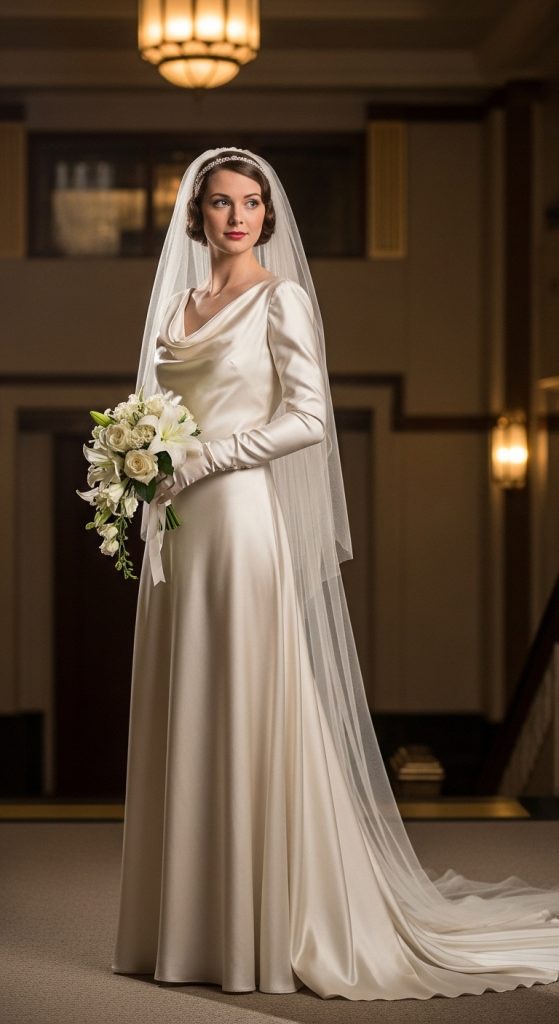
The 1930s wedding dress is famous for its bias cut design. This technique allows fabric to cling gently to the body, creating a flattering and elegant shape. Satin, silk charmeuse, and crepe were popular materials. These fabrics create a soft shine and smooth finish.
Preparing a bias cut gown requires careful fitting. The fabric drapes closely to the body, so precise tailoring is important. Alterations should be done by someone experienced with delicate materials. Because satin can show wrinkles easily, steaming should be done gently.
This style does not need heavy petticoats. A smooth slip underneath is usually enough. When storing before the wedding, hang the dress with support at the waist to prevent stretching. The 1930s style is ideal for brides who want understated glamour. It suits evening ceremonies and formal receptions. Simple accessories and natural makeup help highlight the clean lines of this elegant design.
5. 1940s Tea Length Wedding Dress
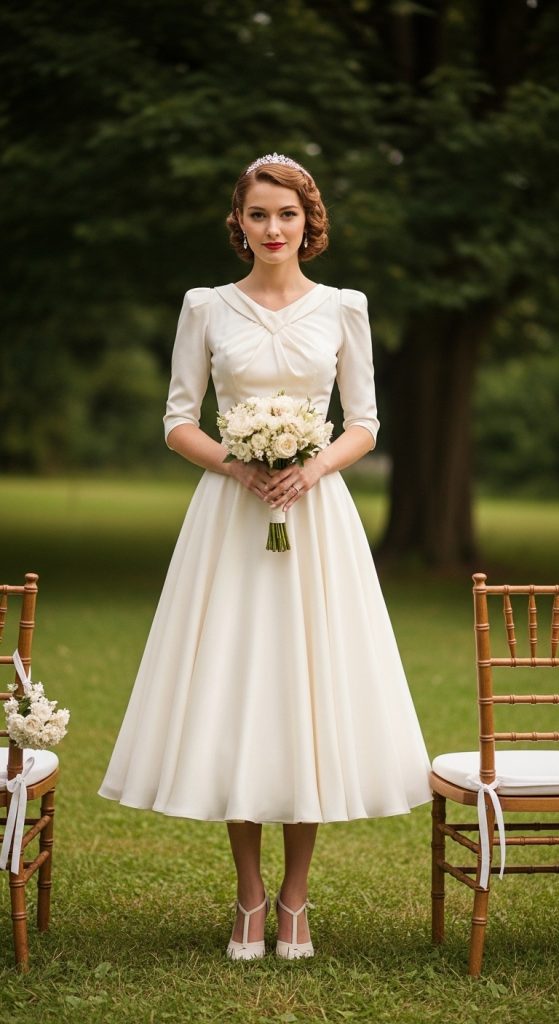
During the 1940s, many wedding dresses became simpler due to fabric shortages. Tea length dresses, which fall between the knee and ankle, became popular. Materials often included satin, rayon, and lightweight lace. The designs usually have structured shoulders and fitted waists.
Preparation for a 1940s tea length dress includes checking seams and shoulder structure. Vintage rayon can weaken over time, so reinforcement may be required. If choosing a modern version, select fabrics that maintain shape without being too stiff.
Undergarments such as a supportive bra and smooth slip will enhance the silhouette. Shoes become more visible with tea length dresses, so choose classic styles that match the era. Proper pressing before the ceremony keeps the skirt looking crisp. This style is perfect for intimate weddings or courthouse ceremonies. It offers comfort and elegance while still honoring vintage fashion.
6. 1950s Ball Gown with Full Skirt
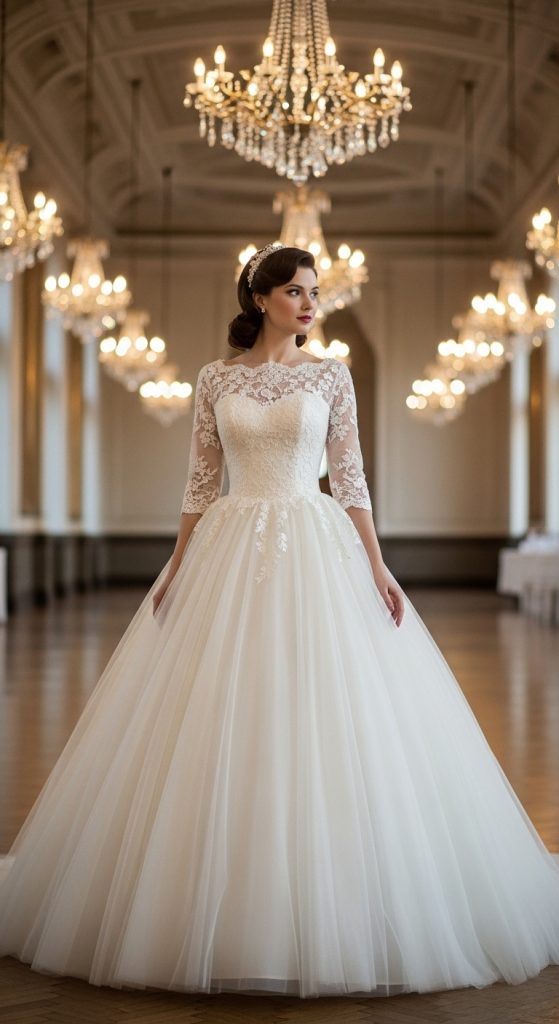
The 1950s wedding dress is known for its dramatic full skirt and fitted bodice. This era celebrated romance and femininity. Common materials include tulle, satin, and organza. Many gowns feature lace overlays and detailed embroidery.
Preparing a 1950s ball gown involves selecting the right petticoat or crinoline to create volume. Without proper understructure, the skirt may not achieve the desired fullness. If buying vintage, inspect tulle layers carefully because they can tear easily.
Professional cleaning before the wedding is recommended, especially for antique pieces. Storage should allow space for the skirt to breathe and avoid crushing. This style suits large venues and traditional ceremonies. It creates a classic princess look that many brides dream of. Simple pearl jewelry and soft curls complete the timeless appearance.
7. 1960s Mod Style Wedding Dress
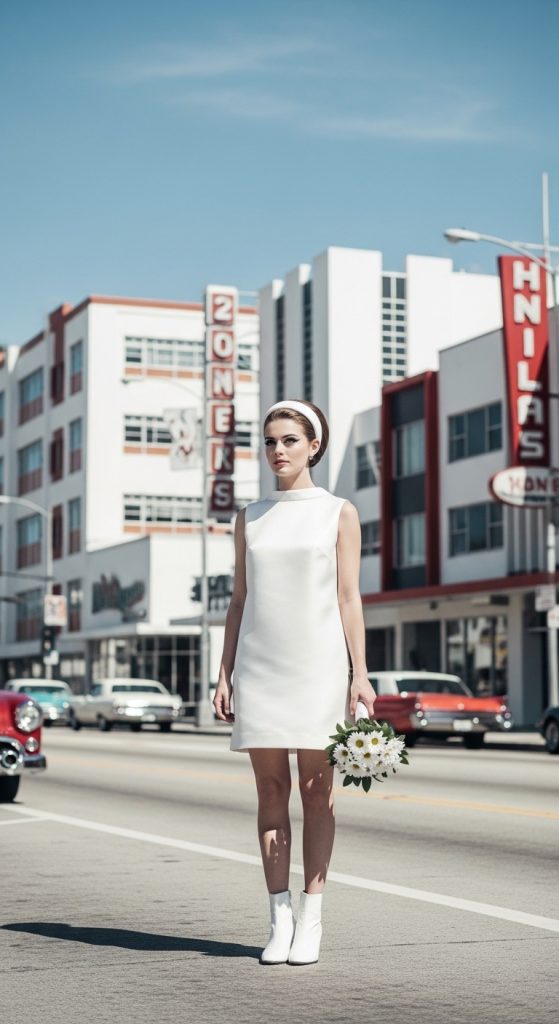
The 1960s brought bold and simple designs. Mod wedding dresses often feature clean lines, short hemlines, and minimal decoration. Materials include polyester blends, satin, and lace. The silhouette is usually straight or slightly A line.
Preparation for a 1960s dress focuses on fit and comfort. These dresses are less structured, so correct sizing is important. If purchasing an original piece, check the zipper and seams carefully. Synthetic fabrics from this era may yellow over time.
Accessories play a key role in achieving the 1960s look. Short veils or headpieces complement the simple dress design. Storage is easier due to lighter fabrics, but keep it away from direct sunlight to prevent fading. This style works well for modern brides who appreciate retro fashion. It is comfortable and stylish, making it suitable for casual or city weddings.
8. 1970s Bohemian Lace Dress
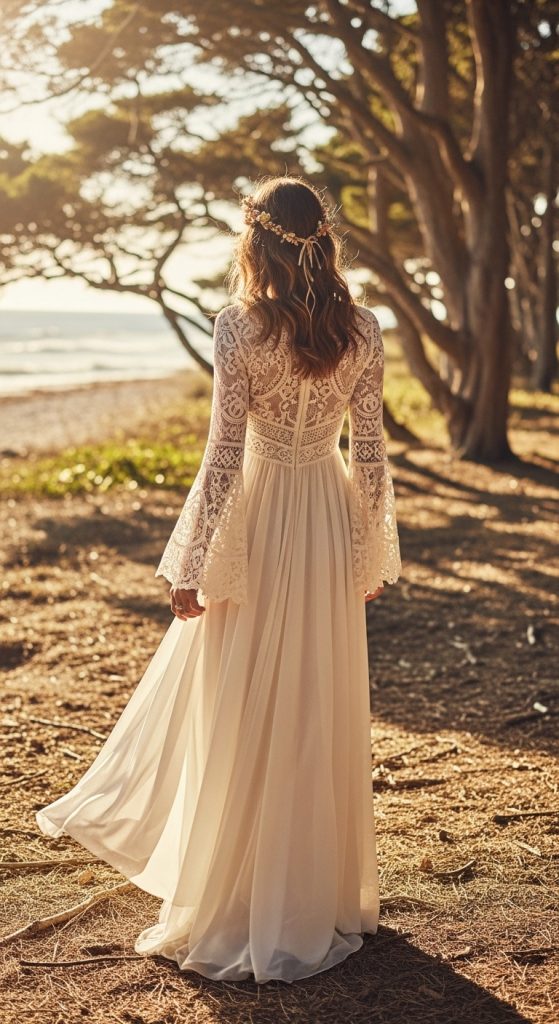
The 1970s wedding dress often features flowing sleeves, soft lace, and relaxed silhouettes. Cotton lace, chiffon, and lightweight satin were popular materials. The style reflects freedom and natural beauty.
Preparation includes checking lace condition and ensuring sleeves are properly fitted. Vintage cotton lace may shrink or weaken, so gentle handling is necessary. If choosing a reproduction, select breathable fabrics for comfort.
Minimal undergarments are needed due to the relaxed shape. Steaming should be done carefully to maintain the soft texture. This style pairs beautifully with natural hairstyles and simple floral accessories. It is ideal for outdoor, beach, or rustic weddings. The 1970s bohemian dress offers comfort and effortless elegance while honoring vintage design.
9. 1980s Dramatic Sleeve Gown
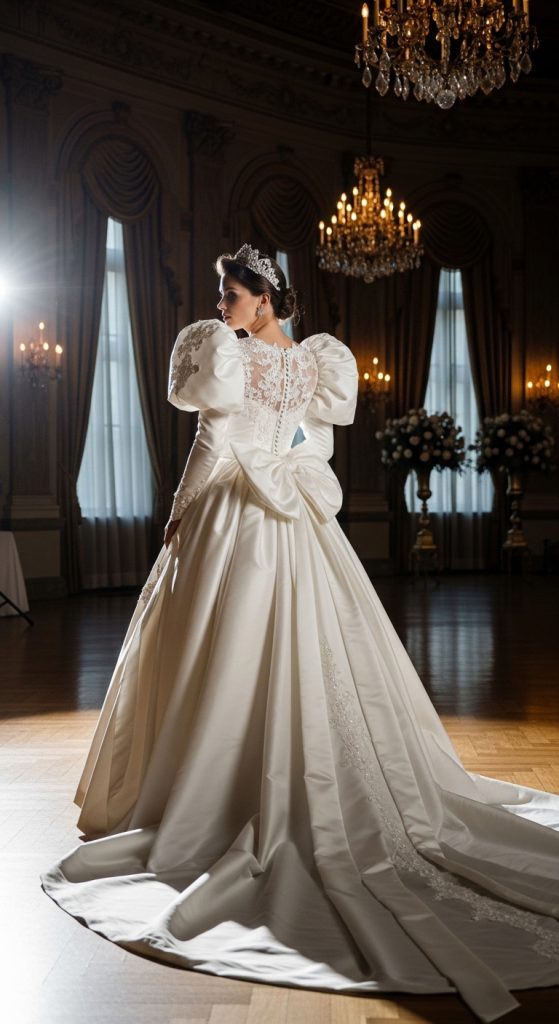
The 1980s wedding dress is famous for large sleeves, bold details, and dramatic silhouettes. Satin, taffeta, and lace were widely used. Many gowns feature big bows, long trains, and structured bodices.
Preparing this style requires attention to sleeve shape and internal structure. Shoulder pads and lining may need adjustment for comfort. Vintage satin should be inspected for discoloration.
A strong petticoat supports the full skirt. Proper pressing is important to maintain sharp lines. Because these dresses are often heavy, ensure the hanger is strong enough for storage. This style suits grand venues and traditional ceremonies. It makes a bold statement and reflects confidence and celebration.
10. Antique Heirloom Family Wedding Dress
An heirloom wedding dress passed down through family generations holds emotional value. These dresses may come from any era and often require restoration. Materials vary widely, including silk, lace, satin, and cotton blends.
Preparation begins with professional inspection. A textile specialist can assess fabric strength and recommend cleaning or repair. Alterations should respect the original design while ensuring a proper fit. Gentle hand cleaning or specialized dry cleaning is often required.
Proper storage before and after the wedding is essential. Use acid free tissue paper and a preservation box to protect delicate materials. Wearing an heirloom dress connects a bride to her family history. It adds deep meaning to the ceremony. With careful preparation and respectful restoration, an antique family gown can become a beautiful centerpiece of a modern wedding celebration while preserving its timeless beauty for future generations.