
The kitchen is often considered the heart of the home. It is more than just a place for cooking; it is where families gather, friends socialize, and daily routines take place. Renovating your kitchen can dramatically improve your home’s functionality, aesthetics, and value. Whether you are planning a minor update or a complete overhaul, having clear ideas and inspiration is essential. Kitchen renovations can be overwhelming, but careful planning, understanding materials, and choosing the right design elements can make the process smoother and more enjoyable. In this blog post, we will explore ten inspiring ideas for kitchen renovation, covering everything from layout planning to materials, lighting, storage, and finishing touches. Each point includes practical advice and preparation tips to help you achieve a functional and beautiful kitchen. With these ideas, you can create a kitchen that fits your style, enhances your daily life, and increases your home’s value. Whether you prefer a modern, classic, or rustic look, these renovation ideas will provide a starting point to transform your kitchen into a space you love.
1. Plan Your Layout Carefully
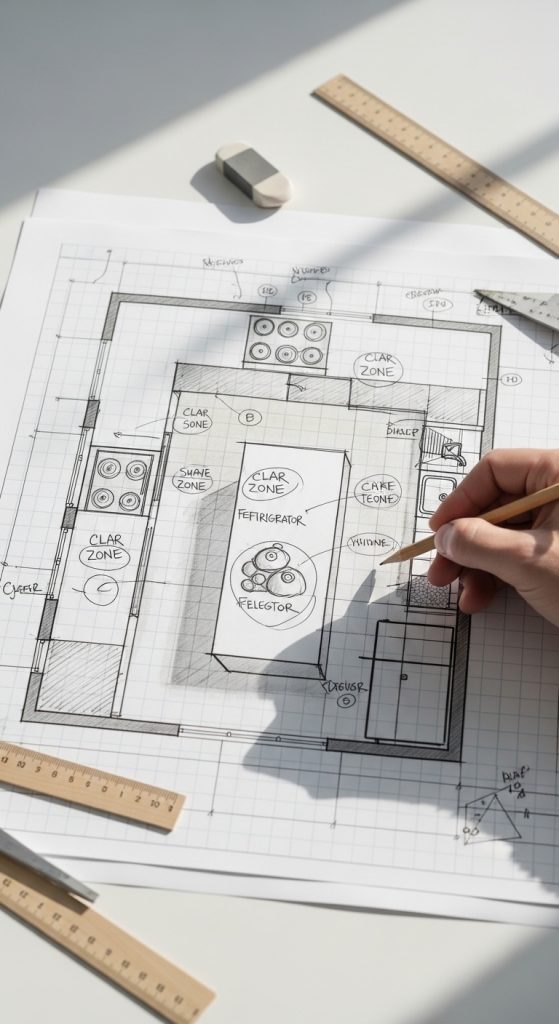
The first step in any kitchen renovation is designing an efficient layout. The layout determines how functional and comfortable your kitchen will be. Popular kitchen layouts include the L-shape, U-shape, galley, and island layout. When planning, consider the kitchen work triangle, which connects the stove, sink, and refrigerator. Keeping these three elements within easy reach improves workflow and reduces unnecessary movement. Think about traffic flow if multiple people will use the kitchen at once. Take accurate measurements of your space and mark where appliances, cabinets, and counters will go. Preparation material includes graph paper or digital design tools to visualize your layout. Don’t forget to account for storage, counter space, and dining areas if your kitchen doubles as a family gathering spot. Consulting a professional kitchen designer can help optimize your layout, especially if your space has unusual angles or structural challenges. Careful planning ensures your renovation is practical, comfortable, and future-proof.
2. Choose Durable Materials
Selecting the right materials is crucial for a long-lasting kitchen. Cabinets, countertops, and flooring must withstand daily use, spills, and heat. Popular cabinet materials include solid wood, plywood, and medium-density fiberboard (MDF). Solid wood is durable and has a timeless look but can be expensive. MDF and plywood are more affordable and can be painted or laminated for a modern finish. Countertop materials like granite, quartz, and marble offer durability and style. Quartz is low-maintenance and resistant to scratches, while granite adds a luxurious touch. Flooring materials include tile, hardwood, vinyl, and laminate. Tiles are water-resistant and easy to clean, making them ideal for kitchens. Preparation material involves researching material samples, visiting showrooms, and comparing costs. Also, consider eco-friendly options such as bamboo flooring or recycled countertops. Choosing the right materials ensures your kitchen renovation remains attractive and functional for years to come.
3. Focus on Storage Solutions
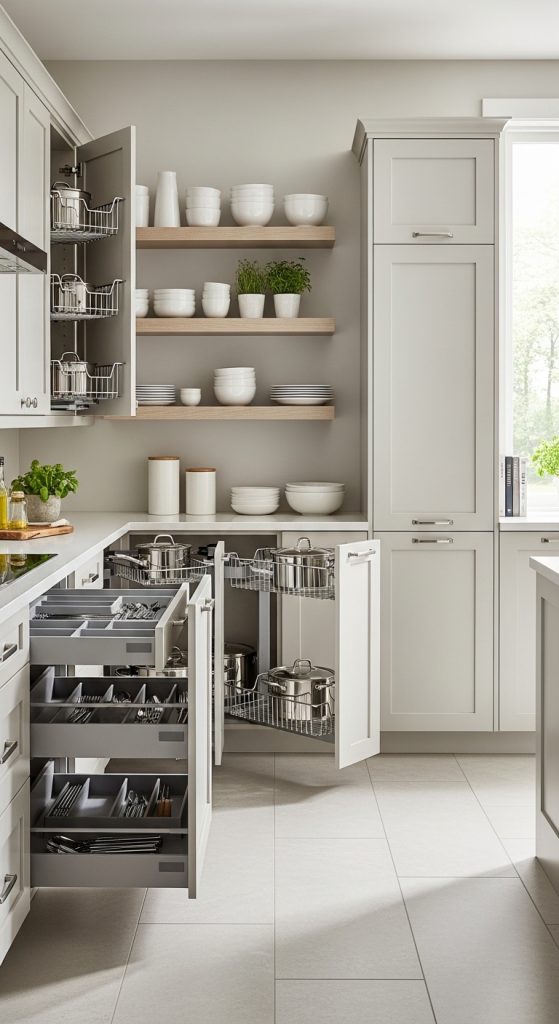
Storage is a key element in a successful kitchen renovation. Efficient storage reduces clutter and keeps your kitchen organized. Consider incorporating pull-out shelves, deep drawers, and corner cabinets to maximize space. Pantry cabinets, wall-mounted racks, and floating shelves can store ingredients, utensils, and appliances without taking up floor space. Use organizers for drawers to separate cutlery and cooking tools. Think about vertical storage and utilize unused wall areas. Kitchen islands can also include cabinets and drawers for extra storage. Preparation material includes measuring your items to understand how much storage is needed. Labeling sections or planning zones for different kitchen activities can help organize efficiently. Storage solutions should balance accessibility and aesthetics, making it easy to reach items while keeping your kitchen clean and inviting. A well-planned storage system significantly enhances your kitchen’s functionality.
4. Invest in Energy-Efficient Appliances
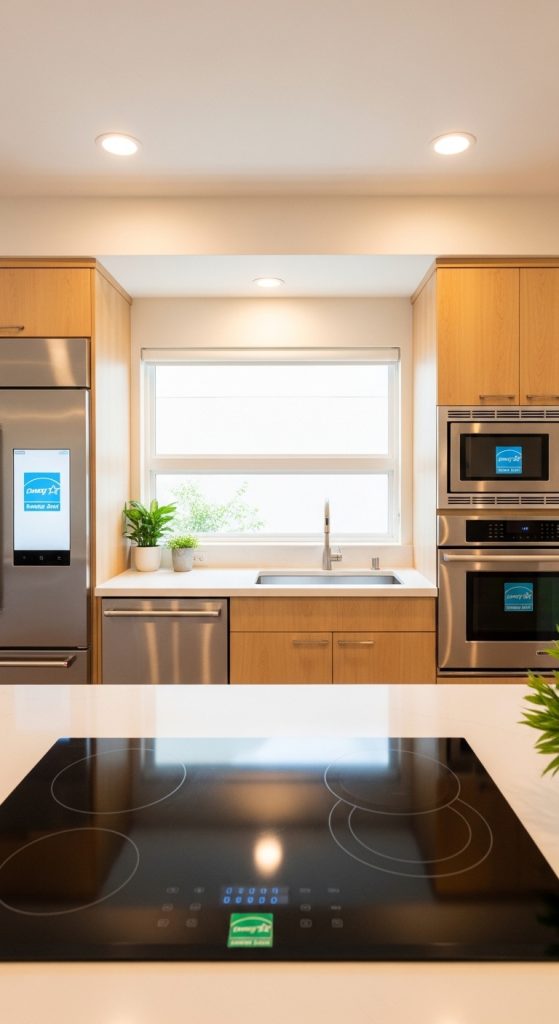
Modern kitchens are incomplete without high-quality appliances. Energy-efficient appliances save money on utility bills and reduce environmental impact. Look for products with the Energy Star rating, including refrigerators, ovens, dishwashers, and cooktops. These appliances use less energy without compromising performance. Smart appliances offer additional convenience with features like remote control, programmable settings, and automated cooking. When preparing for renovation, measure spaces accurately to ensure appliances fit seamlessly. Consider built-in appliances for a streamlined look. Planning electrical outlets and water connections is crucial for installation. While energy-efficient appliances may have higher upfront costs, they provide long-term savings and improve kitchen functionality. Investing in reliable appliances ensures your kitchen remains practical, sustainable, and modern.
5. Select a Color Palette
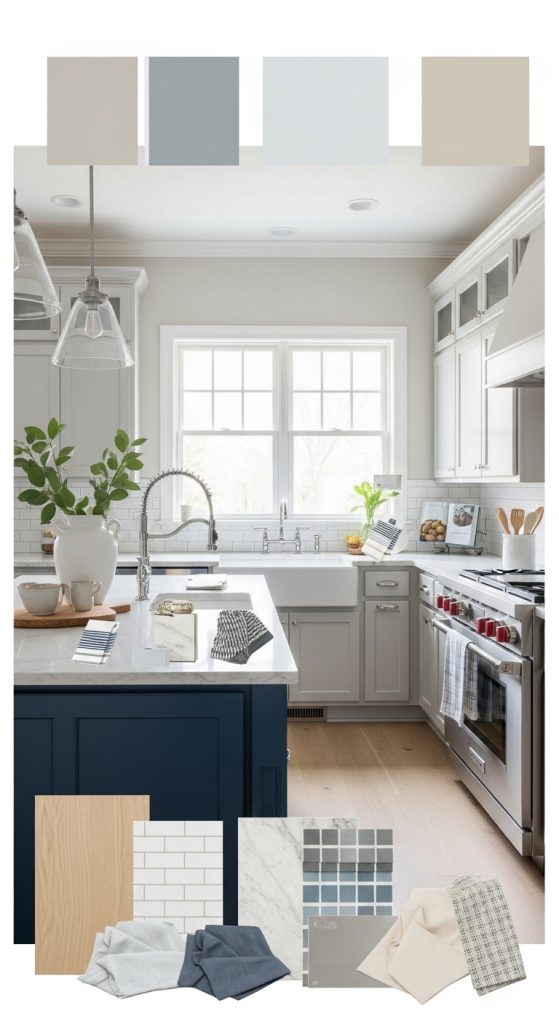
Color plays a vital role in kitchen design, influencing mood and perceived space. Neutral colors like white, beige, and gray create a timeless look and make small kitchens feel larger. Bold colors such as navy, emerald, or deep red add character and can highlight specific areas like cabinets or islands. When choosing a palette, consider wall paint, cabinets, countertops, and backsplashes. Preparation material includes collecting paint samples, material swatches, and looking at inspiration photos. Lighting can also affect how colors appear, so test samples in natural and artificial light. Complementary color combinations improve aesthetics, while accent colors can create focal points. A thoughtful color palette enhances the visual appeal of your kitchen and ensures all design elements work harmoniously together.
6. Upgrade Lighting Fixtures
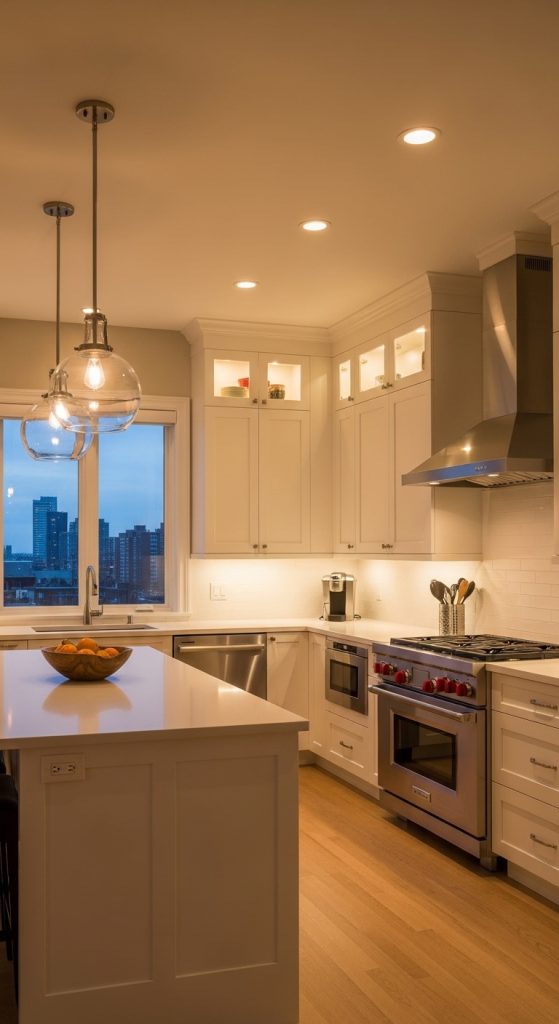
Lighting is essential for both functionality and ambiance. A well-lit kitchen improves safety, visibility, and atmosphere. Use a combination of ambient, task, and accent lighting. Ambient lighting provides general illumination, such as ceiling-mounted fixtures or recessed lights. Task lighting focuses on work areas like countertops and sinks; under-cabinet lights are ideal. Accent lighting highlights design features, such as pendant lights over an island or LED strips behind cabinets. Preparation material includes measuring spaces, choosing fixture styles, and planning electrical layouts. Energy-efficient LED lights save electricity and last longer. Consider dimmable options to adjust lighting according to activity or mood. Upgrading lighting transforms your kitchen, making it more inviting and practical.
7. Incorporate a Functional Kitchen Island
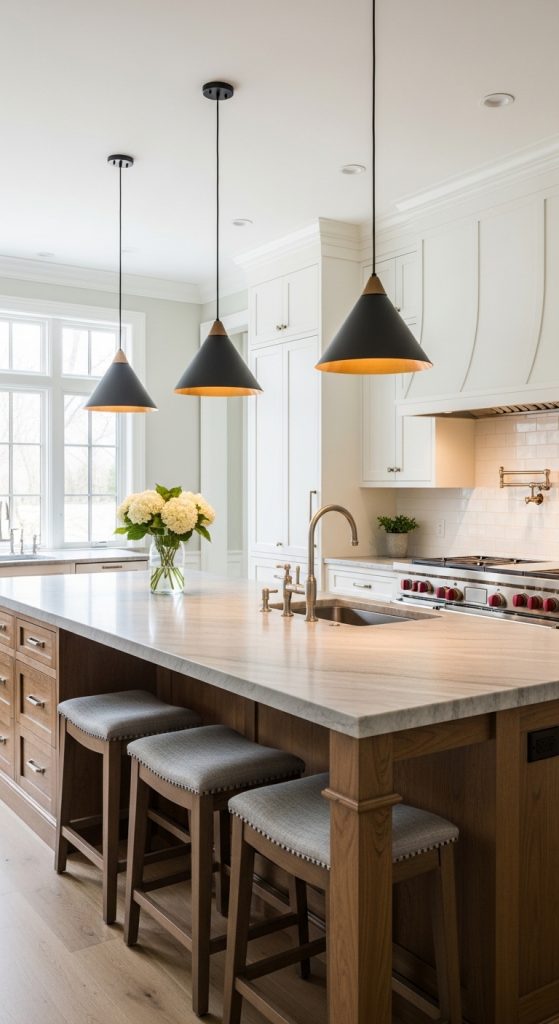
A kitchen island offers extra workspace, storage, and seating. It can serve as a prep area, dining spot, or entertaining center. Islands are versatile and can be customized with cabinets, drawers, wine racks, or built-in appliances. Preparation material includes measuring available floor space to ensure the island does not obstruct movement. Choose durable materials for the countertop and base, matching the overall kitchen design. Consider features like overhangs for seating, integrated sinks, or cooktops to increase functionality. Lighting above the island enhances visibility and adds style. A well-planned kitchen island improves workflow and creates a central gathering point, making the kitchen more social and efficient.
8. Choose the Right Backsplash
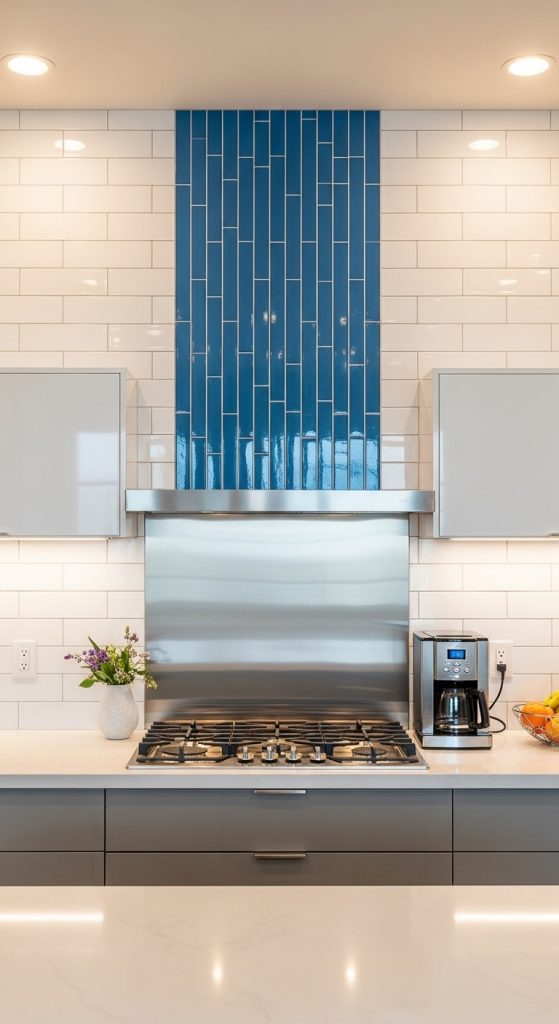
A backsplash protects walls from spills and adds visual interest. Popular materials include tile, glass, stainless steel, and natural stone. Tiles offer endless patterns, colors, and textures, allowing creative design. Glass backsplashes provide a modern, sleek look and are easy to clean. Stainless steel suits industrial-style kitchens and resists heat and stains. Preparation material involves measuring wall areas, selecting materials, and gathering installation tools. Decide whether the backsplash will cover the entire wall or just the area behind counters. Grout color, finish, and layout affect the final appearance. A thoughtfully chosen backsplash complements the kitchen’s style while serving a practical purpose.
9. Optimize Ventilation
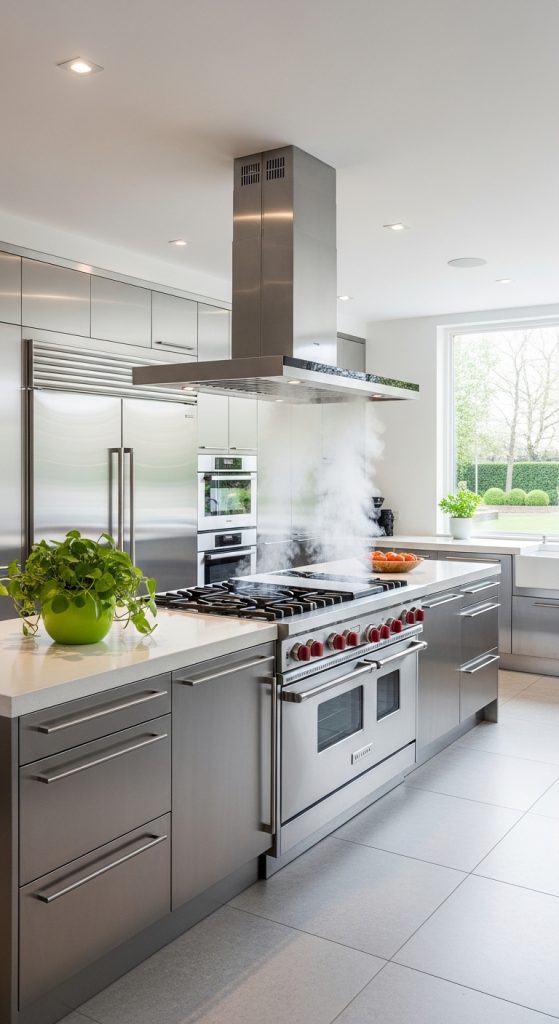
Proper ventilation ensures a comfortable and safe kitchen environment. Cooking produces smoke, odors, and moisture, which can damage cabinets and affect indoor air quality. Range hoods are essential, with wall-mounted, island, or under-cabinet options. Preparation material includes measuring space, checking ductwork requirements, and selecting the right capacity based on kitchen size. Consider features like quiet operation, adjustable fan speeds, and easy-to-clean filters. Proper ventilation prevents mold, reduces lingering smells, and enhances overall comfort. Investing in a high-quality ventilation system protects your kitchen and improves your cooking experience.
10. Add Personal Touches and Decor
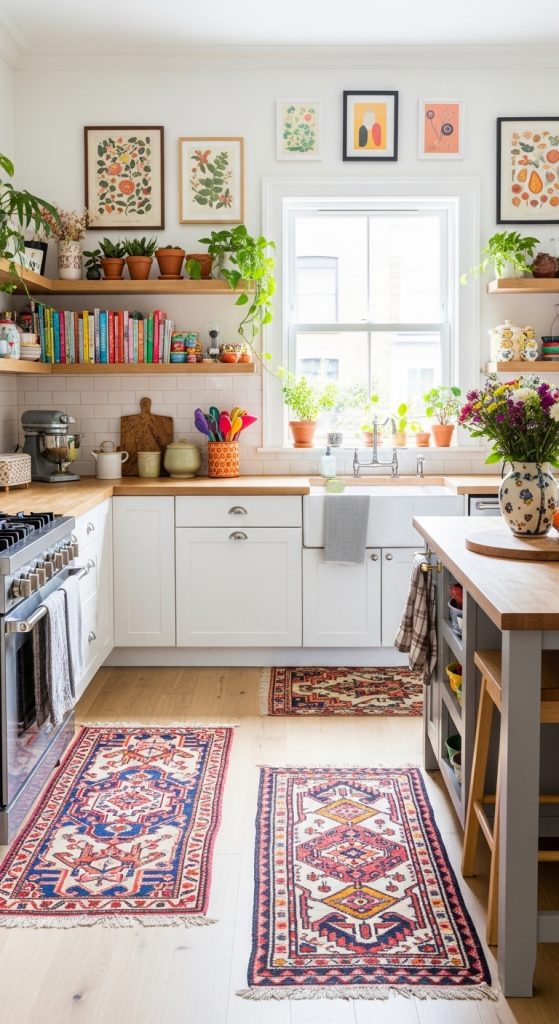
Finally, infuse your kitchen with personality through decor and accessories. Open shelving can display cookbooks, plants, or decorative items. Rugs, curtains, and wall art add warmth and style. Small appliances and utensils in complementary colors contribute to the design theme. Preparation material includes planning layout spaces for decor, choosing items that balance aesthetics with practicality, and considering durability. Lighting, hardware, and cabinet handles can also reflect personal style. Thoughtful decor transforms a functional kitchen into a welcoming space that reflects your taste. Personal touches make the kitchen a true extension of your home and lifestyle.