Rock landscaping is a timeless way to enhance the beauty, structure, and functionality of your backyard. It provides a natural look that complements plants, trees, and outdoor spaces, while requiring minimal maintenance. Rocks are durable, long-lasting, and versatile, allowing you to create a variety of landscapes, from modern and minimalistic designs to rustic and natural garden settings. They can also solve practical problems such as poor drainage, soil erosion, or uneven terrain. By integrating rocks with pathways, patios, flower beds, or water features, you can make your backyard visually appealing and organized.
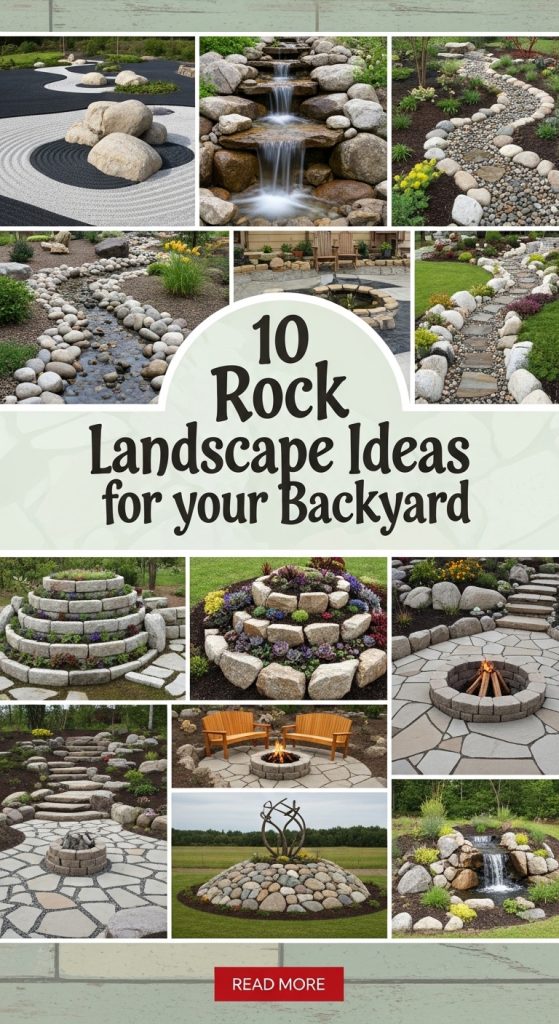
Before starting any rock landscaping project, proper preparation is essential. First, assess your backyard area and decide which spaces will feature rocks. Measure dimensions, note slopes, and plan drainage to prevent water accumulation. Clear weeds, grass, or debris, and level the ground where necessary. Use landscape fabric to control weed growth under the rocks. Selecting the right types of rocks is also important—options include gravel, river rock, crushed stone, and large boulders, each suited to different designs. With careful planning, materials, and execution, you can transform your backyard into a stylish, functional, and low-maintenance outdoor space that brings lasting enjoyment.
1. Rock Garden with Mixed Stone Sizes
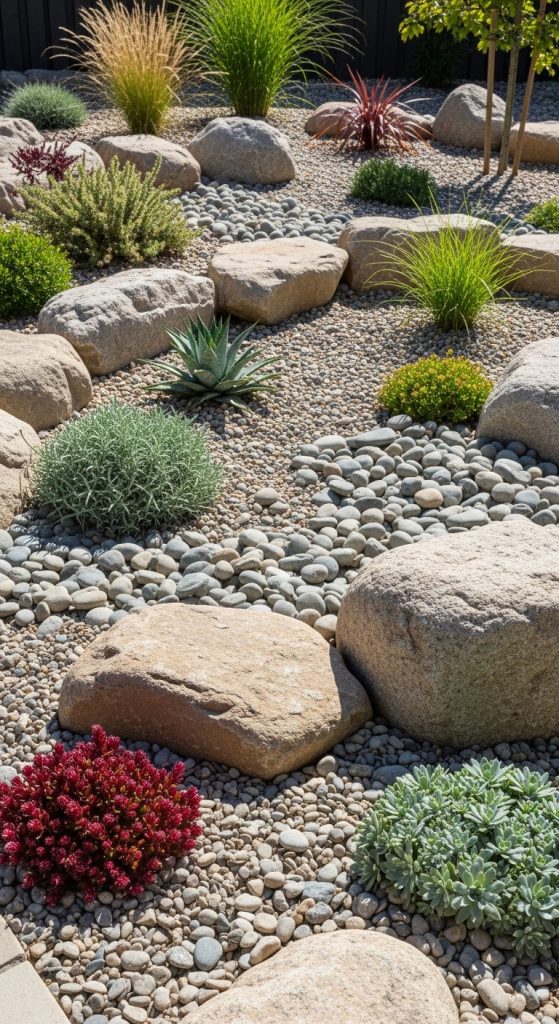
A rock garden is an excellent choice for adding texture and visual interest to your backyard. It combines stones of varying sizes—small gravel, medium pebbles, and larger boulders—to create a natural, layered look. Before you start, clear the area of grass, weeds, and debris. Use landscape fabric to prevent weeds from emerging through the stones. Adding a base layer of crushed stone ensures proper drainage and stability for your rocks.
Place the largest stones first, partially embedding them into the soil so they appear natural. Fill in gaps with smaller stones and gravel. Choose rocks in different colors and shapes to create depth and contrast. Drought-resistant plants like succulents, ornamental grasses, and small shrubs can be planted between stones to soften the design and reduce water requirements.
Maintenance is minimal but necessary. Remove fallen leaves and check for weeds periodically. A well-designed rock garden can serve as a low-maintenance focal point for your backyard, combining beauty, texture, and natural charm.
2. Gravel Pathways Through the Backyard
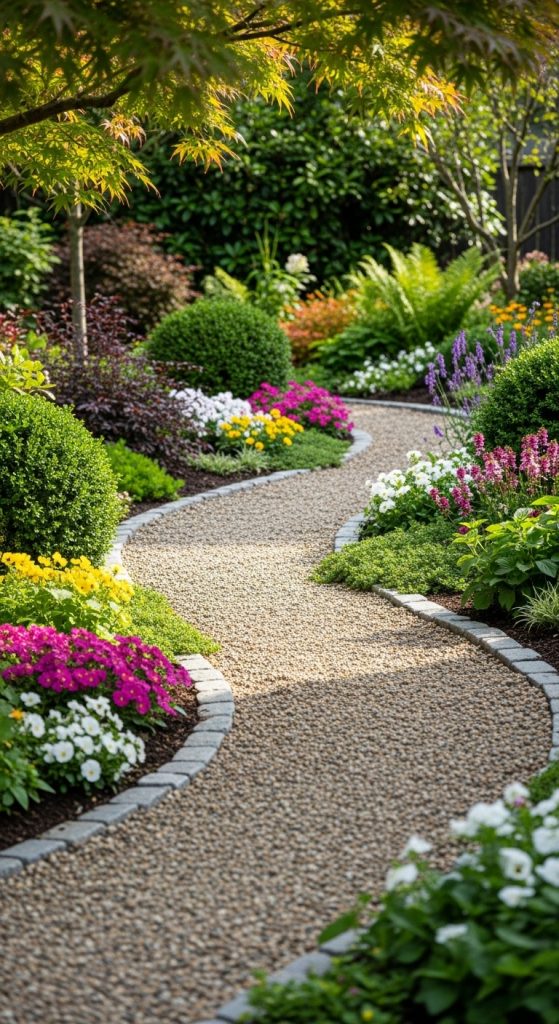
Gravel pathways are functional and visually appealing, guiding movement throughout your backyard. To prepare, outline the path using stakes and string, then dig 4–6 inches deep along the marked line. Remove any roots, rocks, or debris. Lay a compacted base of crushed stone for stability, and cover it with landscape fabric to minimize weed growth.
Pour decorative gravel on top and spread it evenly. Edge the path with materials such as bricks, timber, or metal to keep gravel contained and prevent spreading. Lighter-colored gravel provides a clean, modern look, while darker tones create a bold contrast. Gravel pathways allow natural drainage, reducing puddles and erosion.
Regular maintenance involves raking to keep the surface level and replenishing gravel if it becomes thin over time. Gravel paths can connect patios, gardens, and seating areas seamlessly, adding both practicality and charm to your backyard while remaining affordable and easy to install.
3. Decorative River Rock Borders
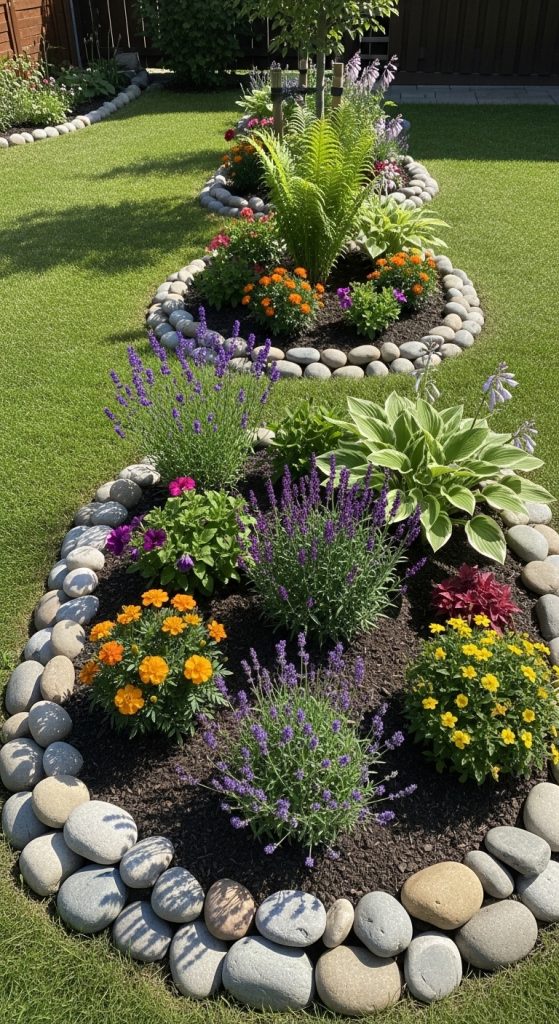
River rocks are smooth, rounded stones that offer a soft, natural appearance. They work beautifully as borders around flower beds, lawns, or patios. Begin by digging a shallow trench along the edge where you want the border. Remove weeds and lay landscape fabric for weed control.
Fill the trench with river rocks, arranging them evenly. Use small river rocks for a subtle effect or larger stones for a more dramatic appearance. River rock borders define spaces, prevent soil from spilling onto walkways, and improve drainage around plants. Their natural colors—gray, brown, or white—complement almost any backyard style.
Maintenance is simple: remove leaves, dirt, and debris regularly. Occasionally rinse the rocks to maintain their natural shine. River rock borders provide a neat and polished finish, framing garden areas while being low-maintenance and long-lasting.
4. Large Boulder Focal Point
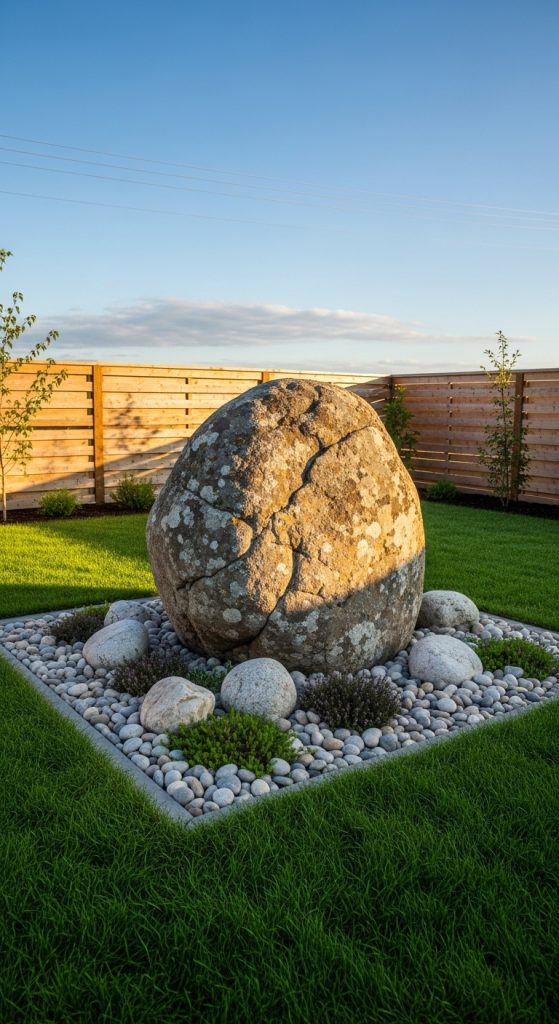
Large boulders make striking focal points, giving your backyard a dramatic and natural look. Choose a location visible from multiple angles, such as near a seating area or in the center of a lawn. Before placing the boulder, dig a shallow hole so that part of it sits below ground, enhancing stability and natural appearance.
Depending on the size, you may require equipment or professional assistance to move and position the boulder safely. Surround it with smaller stones, mulch, or plants to integrate it into your landscape design. Lighting can highlight the boulder at night, creating a beautiful visual effect.
Large boulders suit both minimalist and rustic designs and require almost no maintenance. This simple but impactful addition provides a lasting visual anchor in your backyard, serving as a centerpiece that draws attention and adds structure.
5. Rock and Mulch Combination Beds
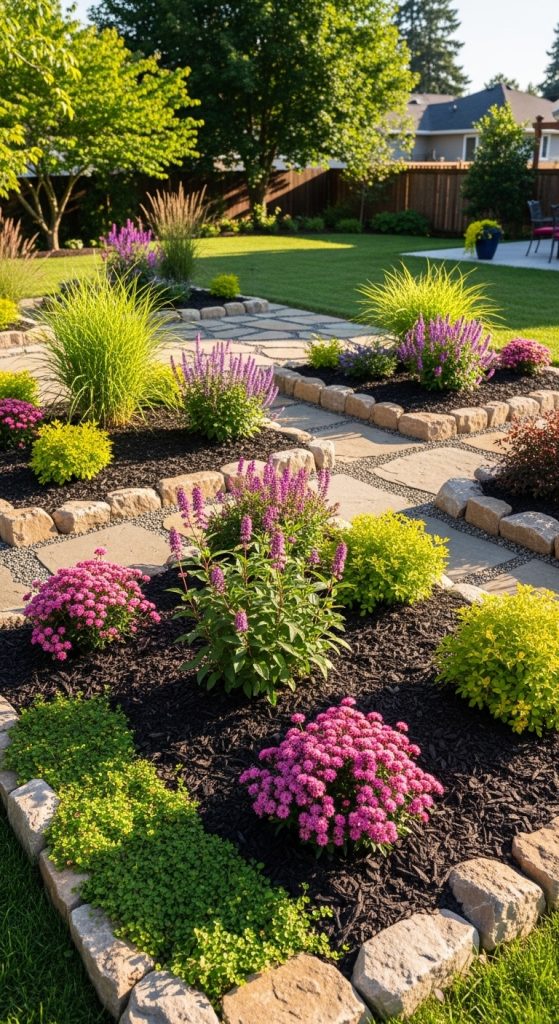
Combining rocks and mulch in garden beds creates texture, contrast, and practical benefits for plant health. Clear the area and remove weeds before adding compost to improve soil fertility. Arrange plants with taller ones at the back and shorter ones in front for visual balance.
Place rocks around the bed edges to create structure, and use mulch in the center to retain moisture and suppress weeds. Rocks prevent mulch from washing away during heavy rain. Choose rock and mulch colors that complement each other and your overall backyard theme.
This approach allows you to enjoy the decorative appeal of rocks and the functional benefits of organic mulch. Space plants appropriately to prevent rot, and refresh mulch annually. Rock and mulch combination beds are practical, low-maintenance, and visually attractive for a variety of backyard layouts.
6. Dry River Bed Feature
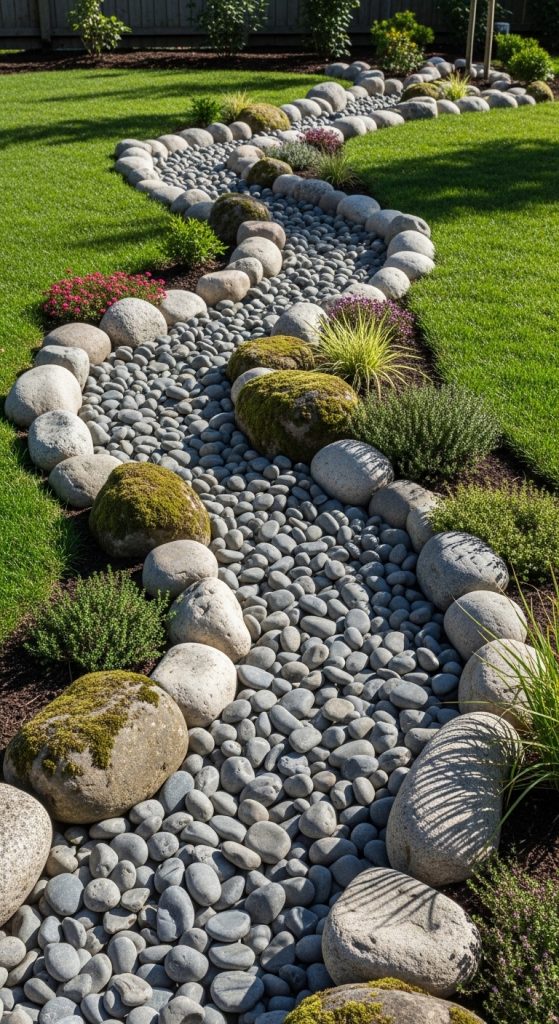
A dry river bed is a creative landscaping element that mimics a natural stream without water. It is particularly useful in areas with drainage issues. Start by planning a curved path that matches the natural flow of water. Dig a shallow trench and line it with landscape fabric.
Add a layer of gravel for drainage and place larger rocks along the edges to resemble riverbanks. Fill the center with smooth river rocks of varying sizes. Adding small plants along the edges can enhance the natural appearance.
A dry river bed helps prevent soil erosion while adding visual interest and texture to your backyard. Natural-colored stones make the feature look authentic. Maintenance includes clearing debris and adjusting rocks as necessary. This combination of beauty and function makes the dry river bed a smart landscaping choice.
7. Stone Patio Area
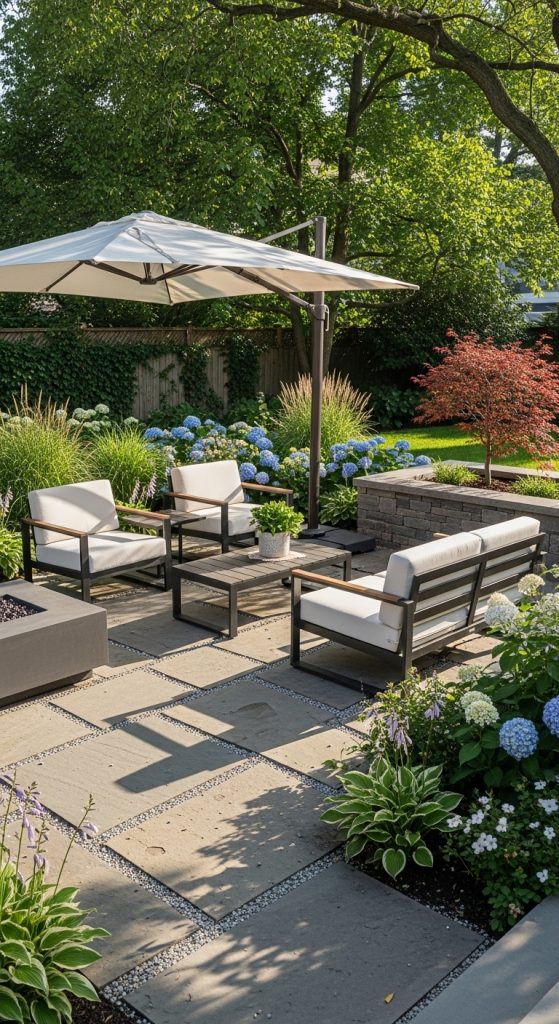
A stone patio expands your usable backyard space, creating a comfortable outdoor area for seating, dining, or relaxing. Measure and mark the patio area, remove grass, and dig 6–8 inches deep. Add a compacted base layer of crushed stone for stability.
Place large flat stones or pavers, leaving small gaps between them. Fill gaps with sand or fine gravel to secure the stones. Level the surface for safety and comfort. Choose natural stone to match your home’s exterior and landscape theme.
Enhance the space with furniture, plants, or a fire pit. Stone patios are durable, weather-resistant, and require minimal maintenance. Occasional sweeping and washing keeps the surface clean. A stone patio adds value, functionality, and beauty to your backyard.
8. Zen Inspired Rock Garden
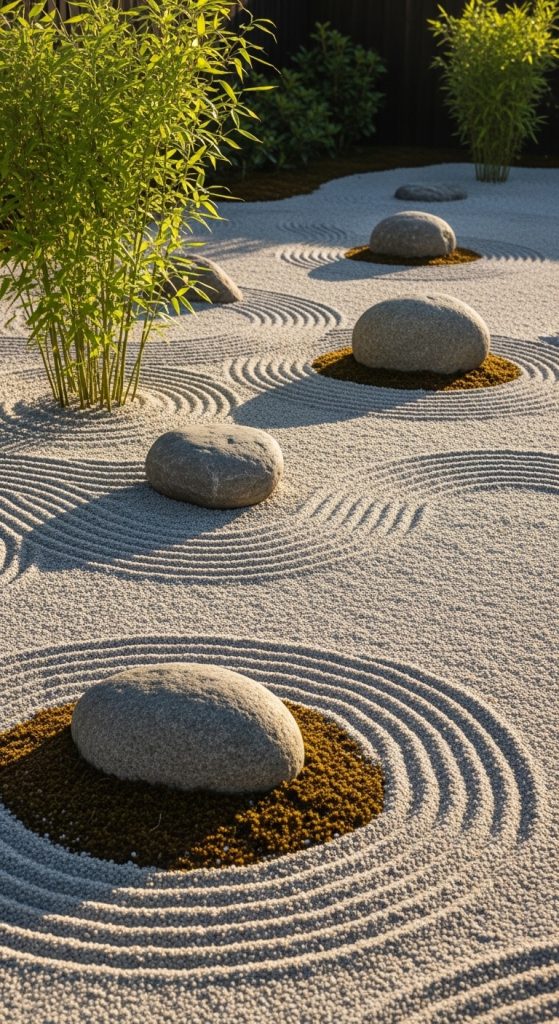
A Zen-inspired rock garden creates a peaceful and meditative backyard space. Choose a quiet area and clear it of grass and debris. Lay landscape fabric and a thick layer of fine gravel or sand. Place a few large rocks carefully to represent mountains or islands.
Use a rake to create patterns in the gravel that symbolize flowing water. Keep the design simple to maintain harmony and balance. Small plants, bamboo, or a bench can be added for extra detail.
Maintenance involves regularly raking gravel to preserve patterns and removing fallen debris. A Zen rock garden is ideal for small backyards, offering a low-maintenance, serene space for relaxation and contemplation while emphasizing simplicity and natural beauty.
9. Rock Retaining Wall
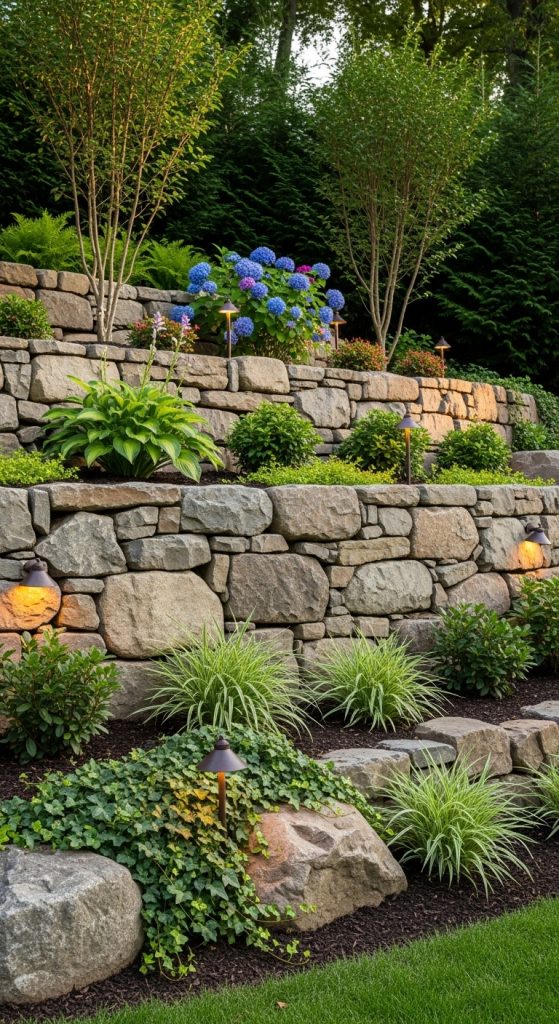
A rock retaining wall provides both structural support and visual appeal. It helps manage slopes and prevents soil erosion. Start by digging a trench at the base of the slope and adding a compacted gravel foundation. Check local building codes if constructing a tall wall.
Stack large stones from bottom to top, ensuring each layer is stable. Fill gaps with smaller stones for added support. Include proper drainage behind the wall to prevent water pressure buildup.
Retaining walls can create flat areas for planting or seating. Natural stone is ideal for a timeless look. Regularly inspect for shifting stones and keep drainage channels clear. A rock retaining wall is a long-lasting, functional, and attractive addition to backyard landscaping.
10. Rock Water Feature
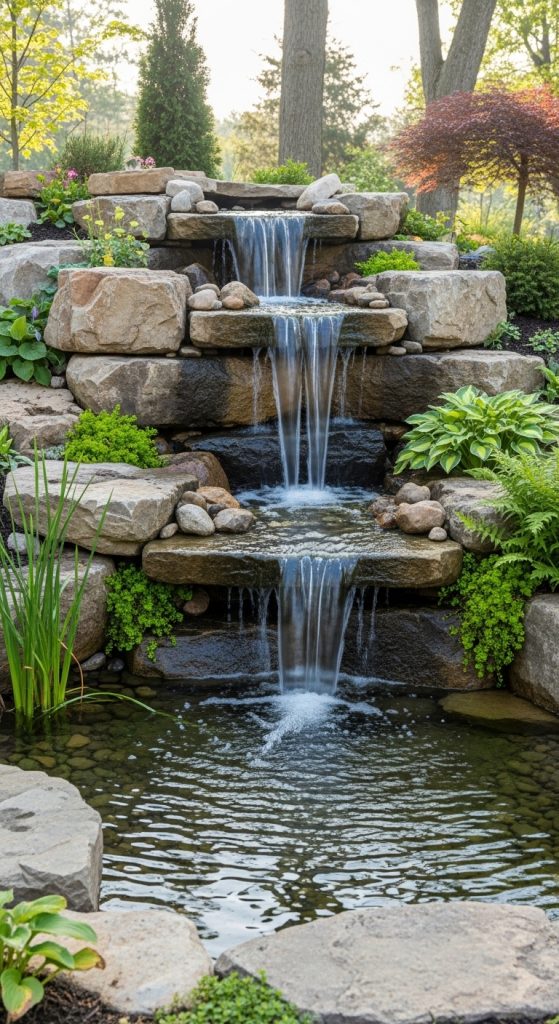
A rock water feature adds movement, sound, and tranquility to your backyard. Options include small fountains or cascading waterfalls. Begin by selecting a location with access to electricity for a water pump. Dig a shallow basin and line it with a waterproof liner.
Place large rocks around the basin edges and stack stones to form a waterfall. Install the pump to circulate water and cover tubing with rocks for a natural appearance. Test the water flow and adjust as needed.
Water features attract birds, create a relaxing atmosphere, and enhance backyard aesthetics. Use flat stones to create gentle water flow, and maintain the feature by cleaning the pump and removing algae. A rock water feature serves as a beautiful, functional centerpiece in your landscape.