
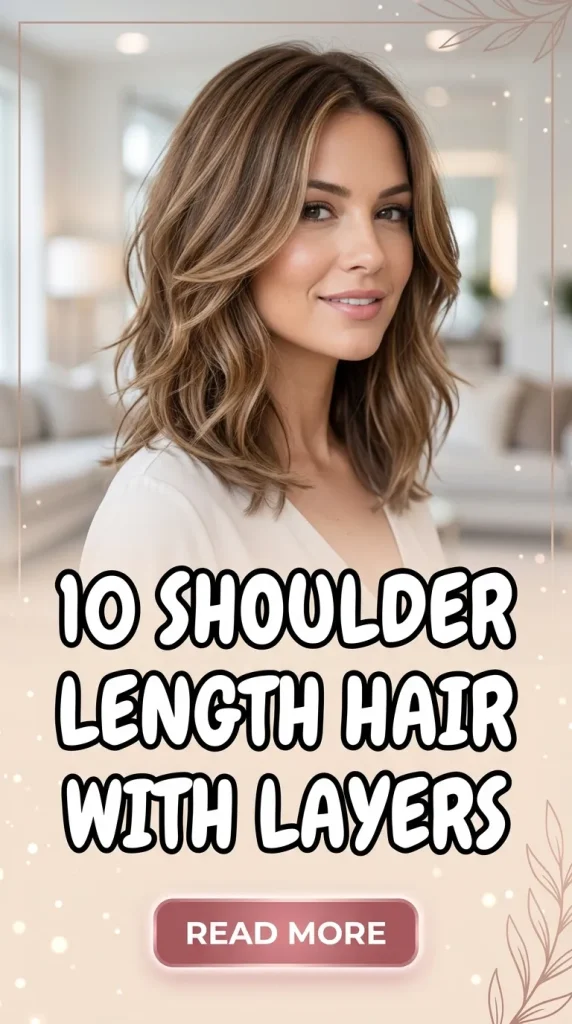
Shoulder-length hair with layers is one of the most versatile hairstyles that suits almost every face shape and hair type. It offers the perfect balance between long and short hair, providing the freedom to experiment with different looks while still maintaining easy manageability. Layers add movement and texture, making the hair appear fuller and more dynamic. This style is popular among people who want a low-maintenance yet stylish appearance, as it works well with both straight and curly hair.
In this guide, we will explore everything you need to know about shoulder-length layered hair. From preparation and materials to styling techniques and maintenance tips, this article will provide a complete roadmap for anyone considering this haircut. By following these steps, you can achieve a polished, professional look without spending hours in the salon every week. Whether you are trying it for the first time or refreshing your current style, understanding the essentials will help you make the most of your layered shoulder-length haircut.
1. Understanding the Shoulder-Length Layered Cut
A shoulder-length haircut falls right around the shoulders, providing enough length for versatility without being too long to manage. Adding layers means cutting sections of the hair at different lengths to create movement and texture. Layers can be subtle or dramatic depending on your preference, but they all serve the purpose of enhancing the natural shape of your hair. This style works well for straight, wavy, or curly hair and can help balance facial features.
When choosing the type of layers, consider your face shape. Round faces benefit from longer layers to elongate the look, while square faces may prefer soft layers around the jawline. Layers can also reduce the heaviness of thick hair or add volume to thin hair. A shoulder-length layered cut is perfect for those who want a professional yet stylish appearance.

2. Preparing Your Hair for the Cut
Preparation is key before getting a layered haircut. Start by washing and conditioning your hair to remove dirt, oil, and product buildup. Clean hair allows the stylist to see your natural texture and shape more clearly. Avoid using heavy styling products before the cut, as they can weigh hair down and affect the accuracy of the layers.
It’s also important to discuss your desired style with your stylist. Bring reference pictures to ensure clear communication. Knowing the maintenance level you are comfortable with will help determine the length and depth of the layers. If your hair has previous chemical treatments, mention it, as this can affect how the layers hold shape. Preparing mentally for regular trims every 6-8 weeks will keep your layered style looking fresh and polished.

3. Choosing the Right Materials and Tools
For styling shoulder-length layered hair at home, having the right materials and tools is essential. A good set includes sharp hair-cutting scissors, a wide-tooth comb, a fine-tooth comb, hair clips for sectioning, a blow dryer with a nozzle, a round brush, and heat styling tools like a straightener or curling wand.
Quality hair products also make a difference. Use a lightweight shampoo and conditioner suitable for your hair type. Texturizing sprays or mousse can help enhance layers and create volume. Heat protectant sprays are essential before using any styling tools to prevent damage. Having the right tools and products ensures that your layers are styled properly, maintain their shape, and look healthy.

4. Sectioning Your Hair Properly
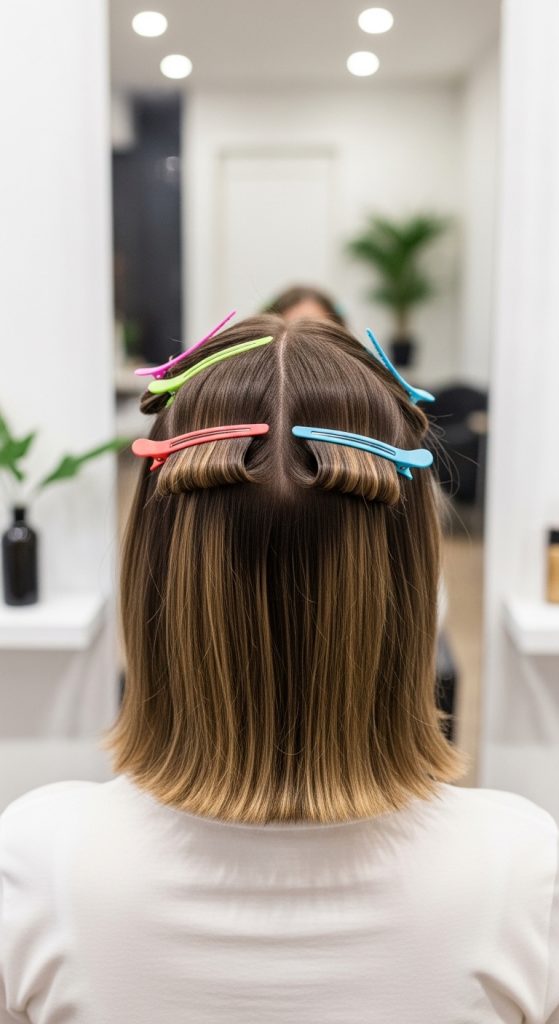
Sectioning is a crucial step for both cutting and styling layered hair. Start by dividing the hair into four main sections: two at the front and two at the back. Use clips to secure each section and work one at a time. Proper sectioning ensures even layers and prevents uneven cuts.
For beginners attempting to cut layers at home, working in small sections is safer and more accurate. Always comb through each section before cutting to remove knots. Sectioning is also essential for styling because it helps in applying products evenly and distributing heat without missing strands. This step ensures your shoulder-length layered hair looks uniform and professional.
5. Cutting Techniques for Layers
Layered hair requires specific cutting techniques to achieve the desired texture. The most common methods include point cutting, slide cutting, and blunt cutting. Point cutting creates soft ends and movement, slide cutting is used for thinning and blending, and blunt cutting produces defined layers.
Start from the bottom layer, using it as a guide for the rest of the hair. Gradually move upwards, checking the symmetry of layers on both sides. For longer layers at the front, angle the scissors slightly to frame the face. Remember, cutting less initially is safer; you can always trim more if needed. Professional stylists often combine multiple techniques to create a balanced and natural look.

6. Styling Shoulder-Length Layers
Shoulder-length layers are versatile and can be styled in multiple ways. Blow-drying with a round brush adds volume, while straightening gives a sleek, polished finish. Curling the ends slightly inward or outward creates a soft, romantic look.
Using a light texturizing spray or mousse enhances the layers, giving the hair movement without weighing it down. Experiment with parting your hair in the middle or side to see what flatters your face shape the most. Styling can be simple or elaborate depending on the occasion, but the layered structure ensures your hair always looks dynamic and fresh.

7. Maintaining Your Layers
Maintaining a shoulder-length layered haircut requires regular trims every 6-8 weeks. This prevents split ends and keeps the layers defined. Use hair-friendly brushes and avoid excessive pulling to reduce breakage.
Moisturizing treatments and deep conditioning masks help maintain softness and shine. Avoid over-washing your hair, as this can strip natural oils and dry out the layers. For heat styling, always use a heat protectant and moderate temperatures to prevent damage. Proper maintenance ensures your layered hairstyle continues to look healthy and stylish.

8. Choosing the Right Hair Products
The right hair products are essential for keeping layers looking fresh. Lightweight shampoos and conditioners prevent hair from becoming greasy or weighed down. Leave-in conditioners, serums, or texturizing sprays help define layers and reduce frizz.
For curly or wavy hair, curl-enhancing creams or mousses maintain bounce and prevent limp layers. Straight hair benefits from smoothing serums to keep ends sleek. Avoid heavy oils or waxes that can make layers appear flat. Understanding your hair type and choosing products accordingly ensures your shoulder-length layered hair always looks its best.

9. Adapting Layers to Your Face Shape
Layers can be customized to enhance facial features. For round faces, longer layers create a slimming effect. Square faces benefit from layers that soften jawlines. Oval faces can experiment with almost any layering style, while heart-shaped faces look great with face-framing layers.
Discuss your facial structure with your stylist before the cut to achieve the most flattering look. Layers can accentuate cheekbones, elongate the neck, or add volume where needed. Tailoring your haircut to your face shape ensures the style enhances your natural beauty rather than overpowering it.

10. Common Mistakes to Avoid
There are several mistakes to avoid with shoulder-length layered hair. Cutting too many layers at once can make the hair look uneven. Overusing heat styling tools without protection can cause damage. Using heavy products may weigh down layers, reducing their volume and movement.
Another common mistake is neglecting trims, which leads to split ends and an unkempt look. Avoid rushing through styling and always work in sections to maintain control. Consulting a professional stylist for the initial cut is wise, especially if you are new to layered hairstyles. Avoiding these mistakes ensures your shoulder-length layers remain healthy, stylish, and manageable.
