The kitchen is often considered the heart of the home. In modern homes, it is not just a place for cooking but a space for socializing, entertaining, and showcasing style. Modern kitchen designs combine functionality with aesthetics, using sleek lines, innovative storage, and high-quality materials. Whether you are renovating an existing kitchen or building a new one, understanding the latest trends and options can help you make informed decisions. Modern kitchens often focus on efficiency, minimalism, and the use of durable and sustainable materials. They also incorporate smart appliances, energy-efficient lighting, and ergonomic layouts that make cooking easier and more enjoyable.
When planning a modern kitchen, preparation is key. From choosing the right materials to organizing storage and workflow, each detail impacts the overall design. This article explores ten modern kitchen designs, highlighting preparation tips, materials, and ideas to help you create a kitchen that is both beautiful and practical. Each design is explained in simple language to guide homeowners in making smart and stylish choices for their modern kitchens.
1. Minimalist Modern Kitchen
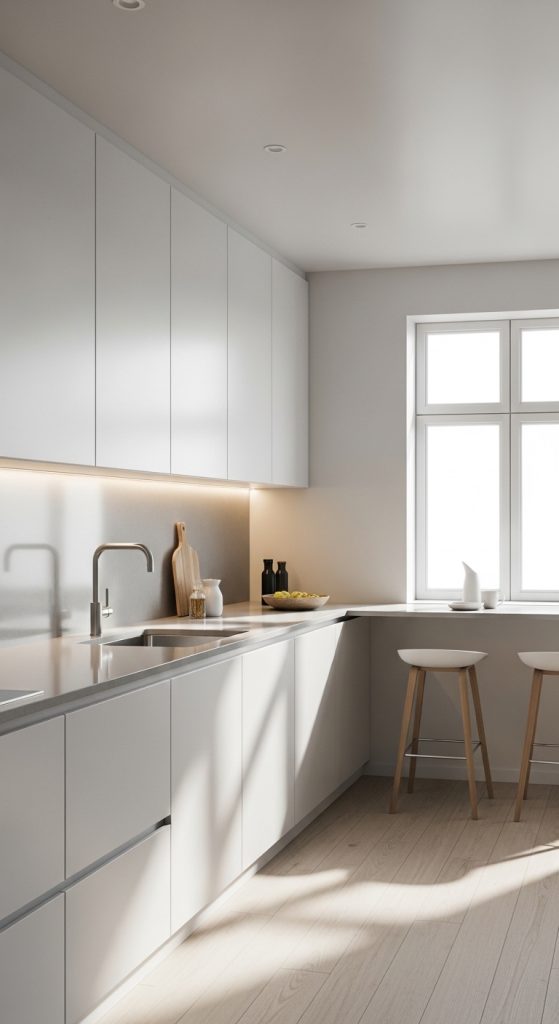
A minimalist modern kitchen emphasizes clean lines, neutral colors, and uncluttered surfaces. The focus is on simplicity and functionality, creating a calm and organized environment. Cabinets are usually handleless, giving a seamless look, and countertops are kept clear of unnecessary items. Popular materials include quartz, solid surface, and natural stone for countertops, paired with matte or glossy laminate cabinets.
Preparation is key for a minimalist kitchen. Start by assessing what items are essential and plan storage solutions to hide appliances and utensils. Pull-out drawers, deep drawers, and concealed cabinets help maintain a clean appearance. Lighting plays an important role; under-cabinet LED lights can brighten the workspace without cluttering the design. Minimalist kitchens often use neutral colors such as white, gray, or beige, which create an open and airy feeling. Adding one or two accent elements, such as a wooden cutting board or a small plant, can prevent the space from feeling too sterile. This design works well for small and large kitchens alike and promotes efficiency and calmness while cooking.
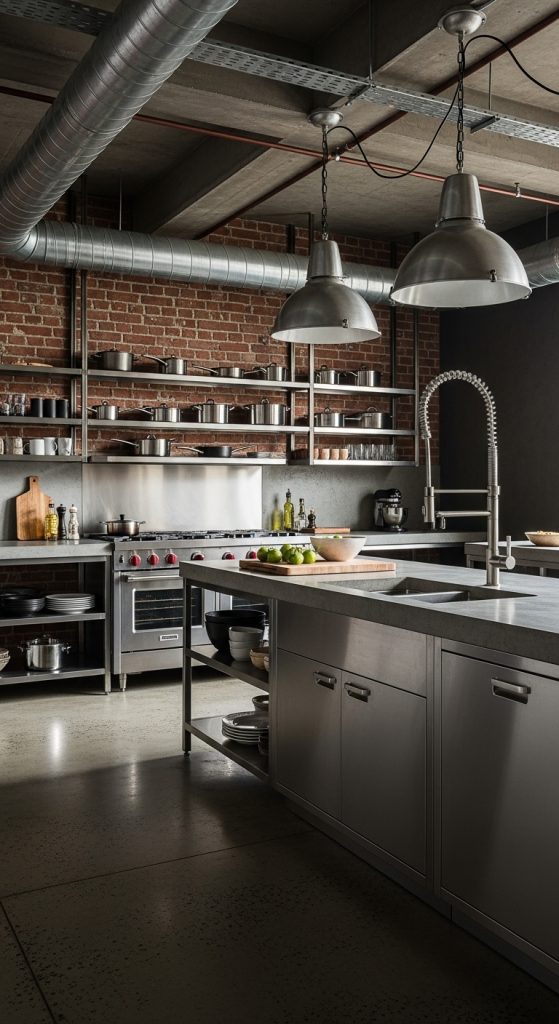
2. Industrial Modern Kitchen
Industrial kitchens draw inspiration from factories and warehouses, blending raw materials with functional design. Exposed brick walls, concrete countertops, and metal fixtures give the kitchen a rugged yet stylish look. Cabinets are often made of stainless steel or dark wood, and open shelving is common to display utensils and cookware.
Preparation in an industrial kitchen involves planning for durable materials that can withstand heavy use. Concrete and stainless steel are not only stylish but also long-lasting and easy to clean. Consider installing industrial-style pendant lights above the island or dining area to complete the look. Flooring can be polished concrete, wood, or large-format tiles that resist stains and scratches. Storage solutions are often practical and open, using metal racks and hooks for pots, pans, and utensils. Industrial kitchens also allow for larger appliances, making them suitable for frequent cooks or entertaining guests. Adding small touches like metal stools or a reclaimed wood dining table can soften the hard industrial feel while maintaining the overall modern aesthetic.
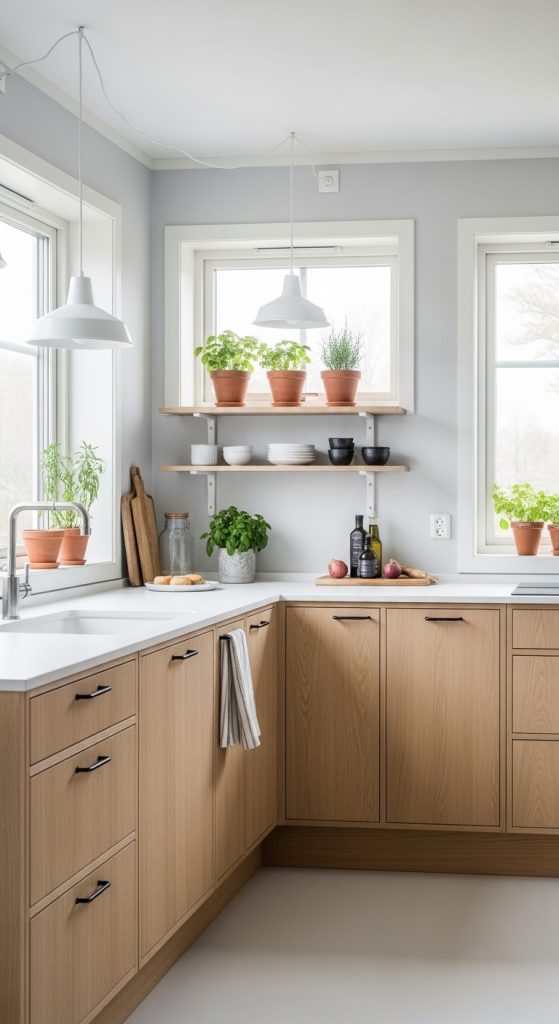
3. Scandinavian Modern Kitchen
Scandinavian kitchens are known for their simplicity, functionality, and focus on natural materials. Light colors, such as white, soft gray, and pale wood, dominate the design, creating a bright and airy space. Cabinets are usually flat-panel with simple hardware or handleless designs, while countertops often feature natural wood, stone, or laminate finishes.
Preparation for a Scandinavian kitchen begins with maximizing natural light and choosing materials that are easy to maintain. Wooden countertops and shelves require sealing to protect against water damage, while white or light-colored cabinets should be cleaned regularly to keep their fresh appearance. Storage solutions are crucial, with pull-out drawers and built-in cabinets helping to maintain a clean and organized look. Adding greenery, such as small potted herbs or plants, brings life into the kitchen without cluttering it. Scandinavian kitchens are ideal for small spaces, as their bright colors and minimalistic design make the room feel larger. Combining functionality with a warm, inviting atmosphere is the key to achieving this style.
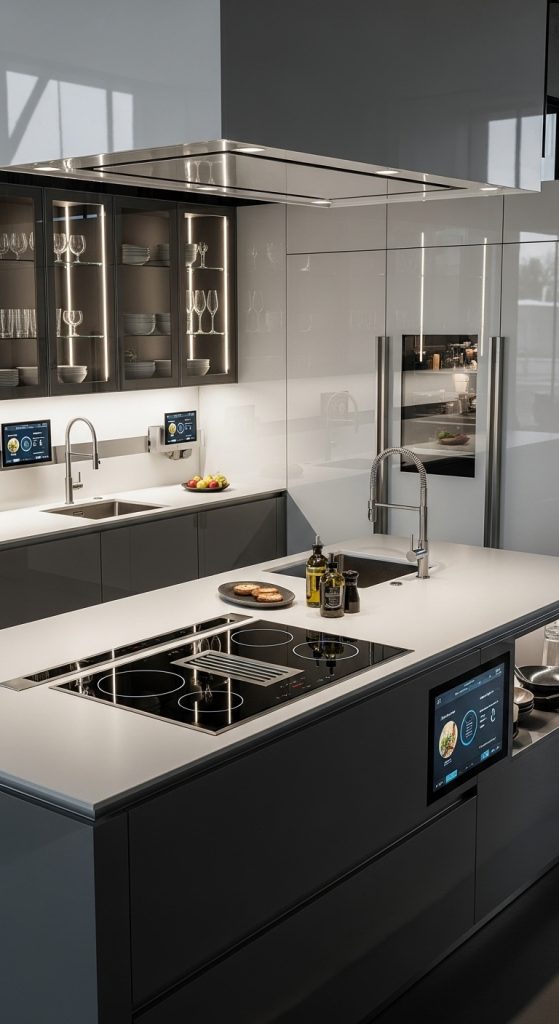
4. High-Tech Modern Kitchen
High-tech kitchens integrate the latest appliances and smart technology to make cooking efficient and enjoyable. Features may include touchless faucets, induction cooktops, smart refrigerators, and built-in coffee machines. Cabinets often have push-to-open mechanisms, and lighting can be automated for convenience. Sleek surfaces and minimalistic designs complement the technological focus.
Preparation for a high-tech kitchen involves planning electrical outlets, water connections, and ventilation to accommodate modern appliances. Materials like quartz, glass, and stainless steel are ideal for durability and easy maintenance. A well-organized layout ensures workflow efficiency, with separate zones for cooking, cleaning, and prep. Smart home integration allows control over lighting, temperature, and appliances via mobile apps, adding convenience for busy households. Regular maintenance is important to keep smart appliances functioning optimally. This type of kitchen appeals to tech-savvy individuals and families who value convenience, speed, and futuristic aesthetics. Combining innovation with style makes the high-tech kitchen a functional centerpiece of the modern home.
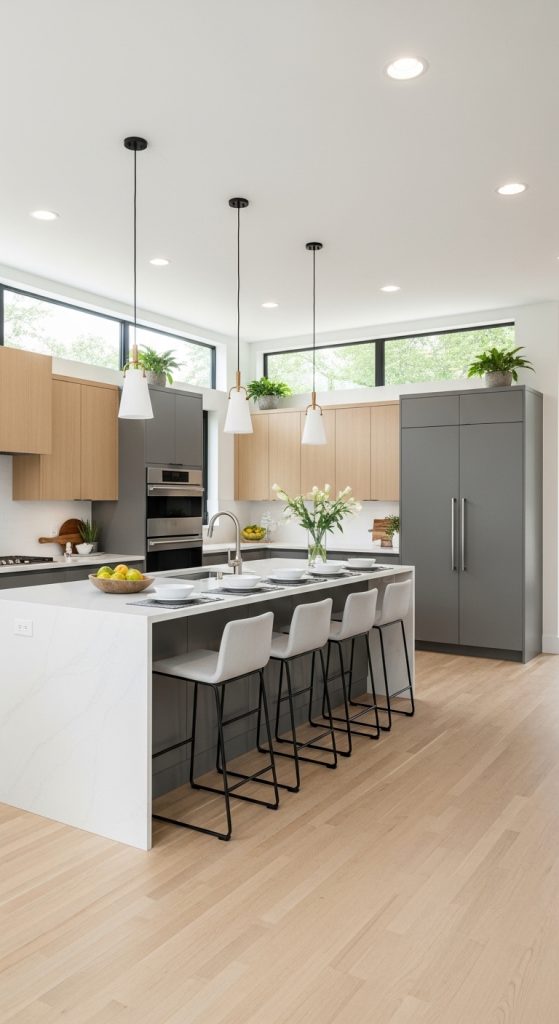
5. Open-Concept Modern Kitchen
Open-concept kitchens connect seamlessly to living or dining areas, promoting interaction and a sense of spaciousness. Islands or breakfast bars often separate the kitchen from other spaces while providing additional work and storage areas. This design uses cohesive colors, materials, and furniture to maintain a unified look.
Preparation involves careful planning of layout and storage to prevent clutter from affecting the entire living space. Use cabinets, drawers, and pantries to hide appliances and utensils. Countertops should be durable and easy to clean, as spills are more visible in open spaces. Lighting is important, with ceiling lights, under-cabinet lights, and pendant fixtures creating layers of illumination. Consider materials that visually connect the kitchen with adjoining areas, such as hardwood floors, matching countertops, or coordinated furniture. Open-concept kitchens are ideal for social households, as they allow for cooking while entertaining guests or keeping an eye on children. Maintaining a balance between functionality and aesthetics is key to this modern design.
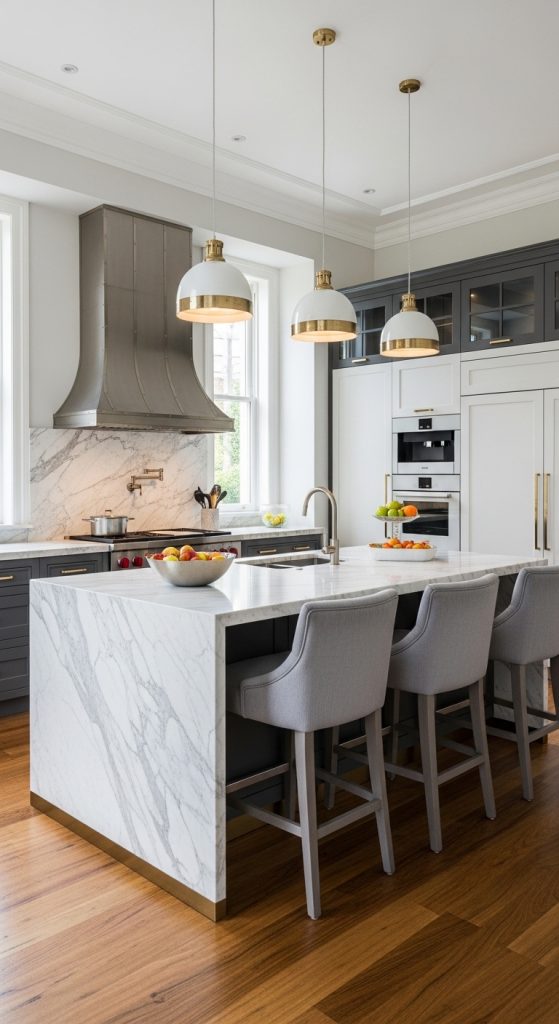
6. Contemporary Luxury Kitchen
Contemporary luxury kitchens focus on high-end finishes, unique materials, and refined details. Marble countertops, custom cabinetry, and designer lighting create a sophisticated environment. Appliances are often built-in and match the cabinetry for a seamless look. The color palette is elegant, with combinations of white, black, gray, and metallic accents.
Preparation for a luxury kitchen requires careful selection of materials and design elements. High-quality countertops, cabinets, and flooring must be chosen not only for aesthetics but also for durability. Planning for ample storage, including hidden drawers and specialty compartments, helps maintain a clean and organized appearance. Lighting is both functional and decorative, often including chandeliers, pendant lights, and under-cabinet LED strips. Attention to detail, such as decorative hardware and custom finishes, elevates the design. Luxury kitchens often include large islands with seating, making them suitable for entertaining. This type of kitchen suits homeowners who want both beauty and high performance in a modern culinary space.
7. Eco-Friendly Modern Kitchen
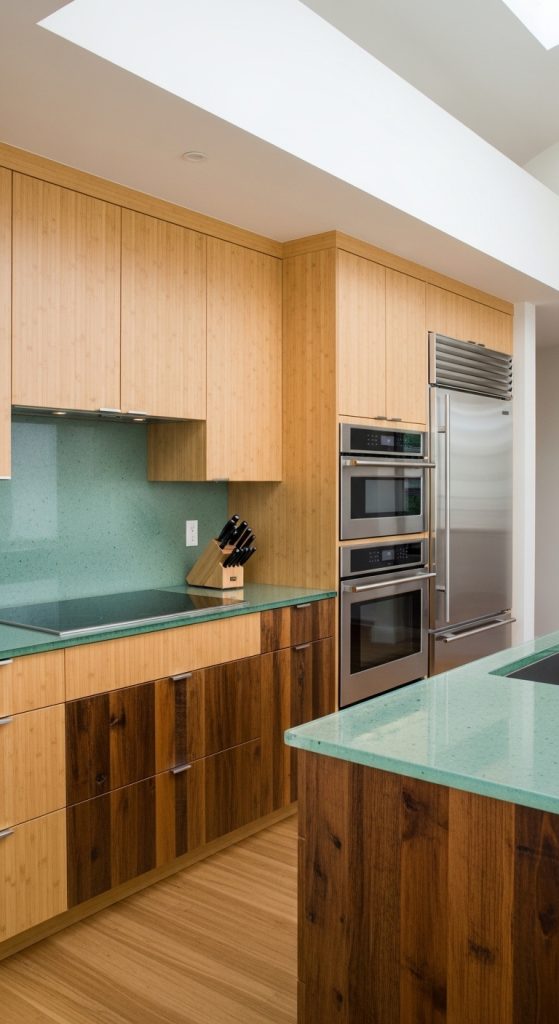
Eco-friendly kitchens focus on sustainability and environmentally conscious choices. Materials like bamboo, recycled wood, and reclaimed metal are popular. Energy-efficient appliances, LED lighting, and water-saving fixtures reduce environmental impact while saving money. Natural ventilation and daylighting improve indoor air quality and reduce energy consumption.
Preparation for an eco-friendly kitchen involves choosing materials and appliances with low environmental footprints. Countertops made from recycled glass, cabinets from FSC-certified wood, and energy-efficient induction cooktops are ideal choices. Proper insulation and window placement can reduce heating and cooling needs. Composting systems and recycling stations help manage waste sustainably. Eco-friendly kitchens often incorporate greenery, such as indoor herb gardens or vertical plant walls. Flooring options like cork or reclaimed wood are both sustainable and stylish. This design suits homeowners who value sustainability without compromising modern aesthetics. Combining function, style, and environmental responsibility makes eco-friendly kitchens a modern choice for the conscientious cook.
8. Colorful Modern Kitchen
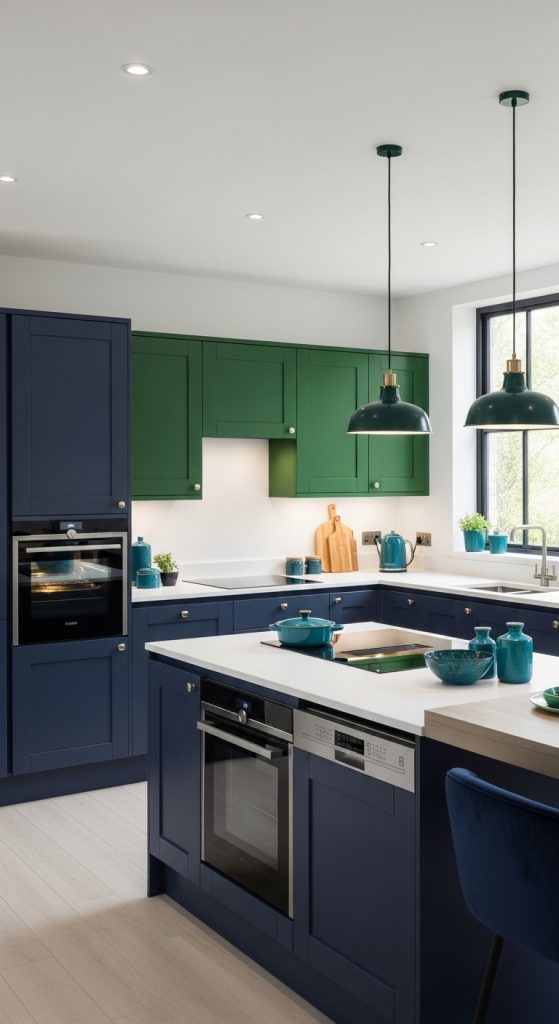
Colorful kitchens use bold shades to create energy and personality. Cabinets, islands, or backsplashes may feature bright colors like navy blue, forest green, or deep red. Pairing bold colors with neutral tones balances the visual impact and prevents the space from feeling overwhelming.
Preparation involves choosing a color palette that complements the home’s overall design. Paint, laminate, or acrylic cabinet finishes allow flexibility in color choices. Countertops should be neutral or subtly patterned to highlight the color accents. Lighting plays a key role in enhancing colors, so combining natural light with layered artificial lighting is essential. Storage should remain functional and unobtrusive to let the colors stand out. Accessories, such as colorful bar stools, utensils, or small appliances, add accents without cluttering the design. Colorful modern kitchens work well for individuals who enjoy vibrant, energetic spaces while still valuing practical layouts and durable materials. Balancing bold colors with sleek finishes ensures a stylish and modern look.
9. Small Space Modern Kitchen
Small kitchens require clever planning to maximize space without sacrificing style. Compact layouts, multi-functional furniture, and vertical storage are key. Pull-out pantries, corner drawers, and foldable tables help make the most of limited square footage. Light colors and reflective surfaces can make a small kitchen feel larger.
Preparation begins with careful measurement and layout planning. Every inch of space should be optimized, from overhead cabinets to under-counter storage. Modular units allow flexibility and can adapt to different needs. Appliances should be compact or built-in to reduce clutter. Lighting is important to make the area feel open, using under-cabinet LEDs and bright overhead fixtures. Mirrors or glossy surfaces enhance the sense of space. Even small kitchens can include an island or breakfast bar if designed intelligently. Prioritizing workflow zones ensures that cooking, cleaning, and storage remain efficient. With thoughtful planning, a small kitchen can feel modern, organized, and inviting without sacrificing style or function.
10. Farmhouse Modern Kitchen
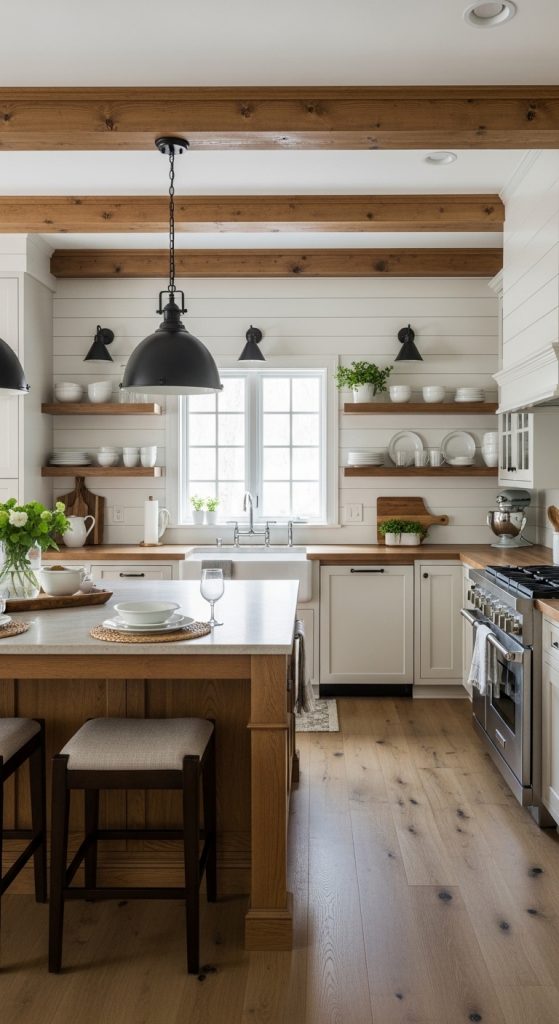
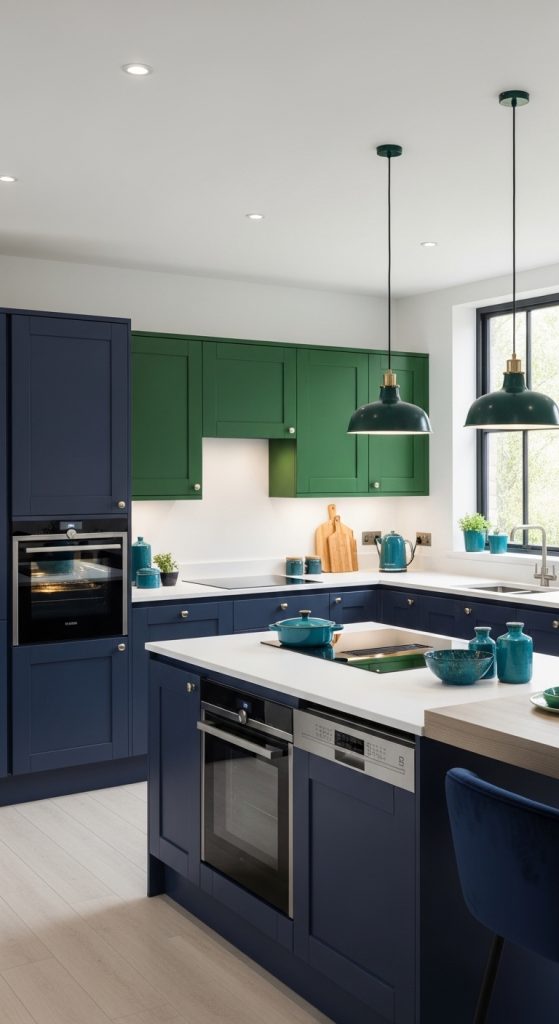
Modern farmhouse kitchens combine rustic charm with contemporary finishes. Features include wooden beams, shiplap walls, apron-front sinks, and open shelving. Neutral color palettes with soft whites, creams, and warm woods create a welcoming atmosphere, while modern appliances maintain functionality.
Preparation involves selecting materials that balance rustic aesthetics with modern durability. Wood and stone are commonly used but must be sealed to prevent damage. Cabinets can be a mix of traditional and sleek modern designs. Large islands provide prep space and seating, and pendant lights enhance the farmhouse look. Open shelving is ideal for displaying dishes, while hidden cabinets store everyday items. Flooring should be durable, such as wood, tile, or vinyl, that complements the rustic-modern theme. Combining natural textures with streamlined design creates a cozy yet functional space. Modern farmhouse kitchens appeal to those who value warmth, charm, and practicality in a modern setting.