Basements are one of the most underutilized areas of a home. Many people use them only for storage or laundry, leaving a large, potentially valuable space unused. Remodeling a basement can dramatically increase the functionality, comfort, and value of your home. Whether you want extra living space, a home theater, a guest bedroom, or even a rental apartment, a well-planned basement remodel can provide it.
Before starting any remodel, preparation is essential. Begin by inspecting the basement for water damage, leaks, and mold. Ensure the area is dry and properly insulated. Check the electrical and plumbing systems, and obtain necessary building permits. Planning a layout and setting a budget are critical steps. Consider lighting, flooring, ventilation, and wall finishes to ensure the remodeled basement is safe, comfortable, and visually appealing.
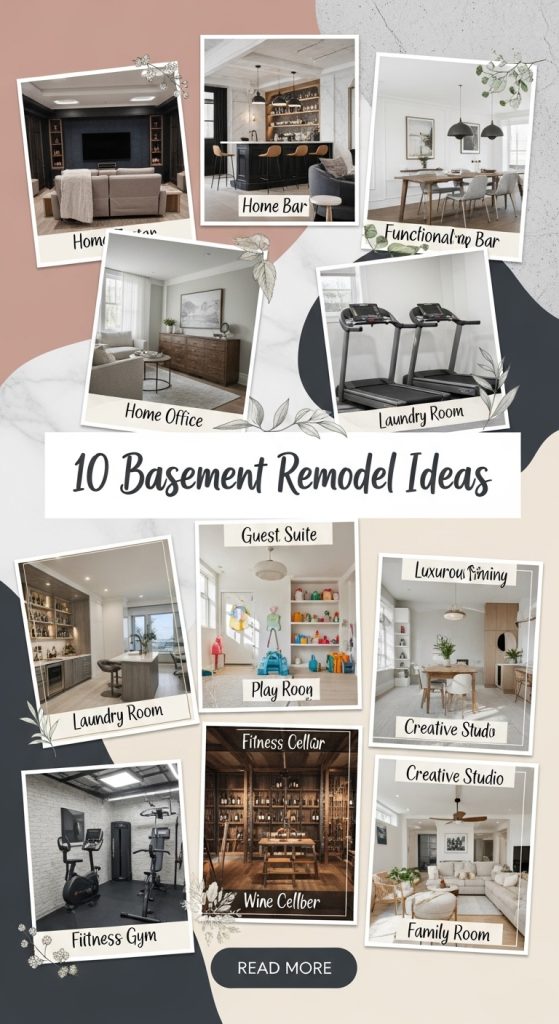
In this guide, we will explore 10 basement remodel ideas. Each idea includes detailed preparation tips, recommended materials, and practical advice. By the end, you will have a clear understanding of how to transform your basement into a functional and stylish part of your home.
1. Create a Cozy Family Room
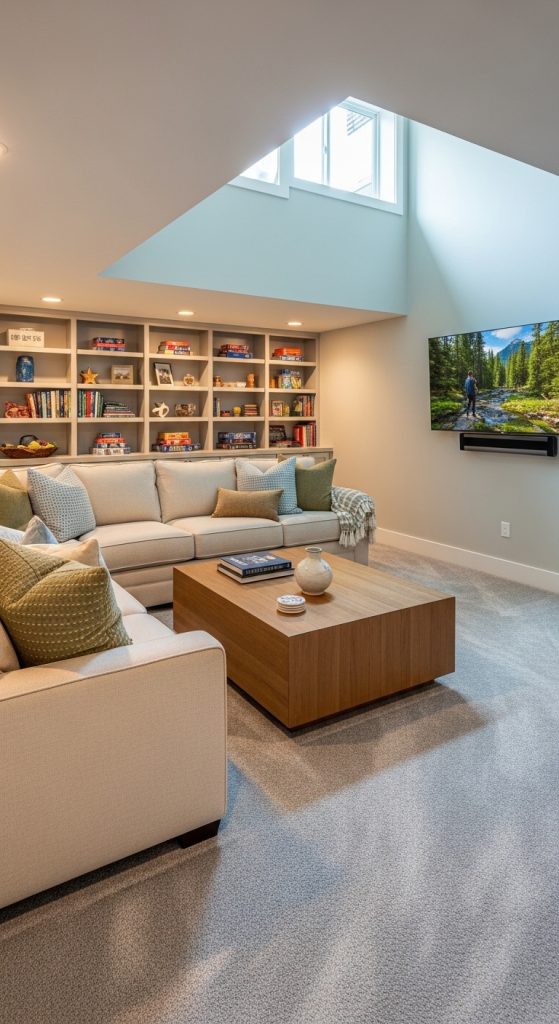
A basement family room is a perfect solution for extra living space. It can be used for watching movies, relaxing, or spending quality time with family. Begin by ensuring the basement is dry and free from mold. Seal walls with waterproof paint or epoxy coating. Insulate walls and ceilings to maintain warmth and reduce noise.
Install drywall to cover exposed concrete or brick. Choose comfortable and durable flooring such as carpet tiles or vinyl planks. These materials are soft underfoot and easy to maintain. Lighting is essential since basements often lack natural light. Use recessed LED lights for even illumination and add table lamps or floor lamps for a warmer feel.
Furnish the space with a sofa, chairs, and a coffee table. Add storage options like bookshelves or cabinets for games and media. Use light-colored paint to make the room feel more spacious. With proper planning and material choices, your basement family room can become a cozy, inviting space for everyone.
2. Design a Home Theater
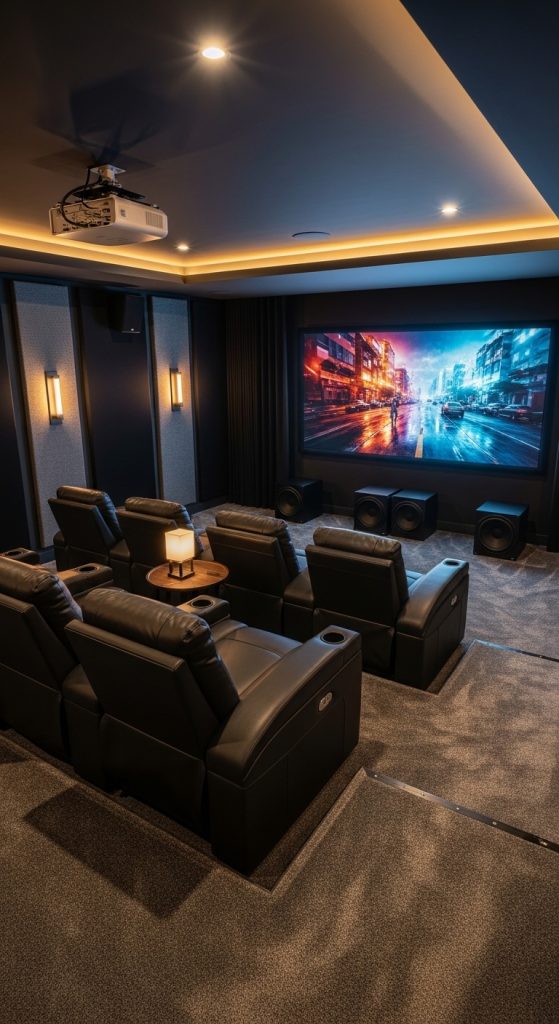
A basement is ideal for a home theater because it naturally limits sunlight and outside noise. Start by preparing walls with soundproof insulation. Acoustic panels or specialized drywall can help reduce echo and improve sound quality. Use blackout curtains on any windows. Carpet flooring is recommended because it absorbs sound and provides comfort.
Install a large screen or projector system, along with a surround sound system for a cinema experience. Recessed ceiling lights with dimmer controls allow you to adjust brightness easily. Comfortable seating, such as recliners or theater chairs, will enhance the viewing experience.
Consider adding a small bar area or snack station for convenience. Make sure electrical wiring is safe and sufficient for audiovisual equipment. A well-designed basement theater allows you to enjoy movies and games without leaving your home. With the right materials and preparation, you can create a private cinematic experience that feels professional.
3. Build a Home Office
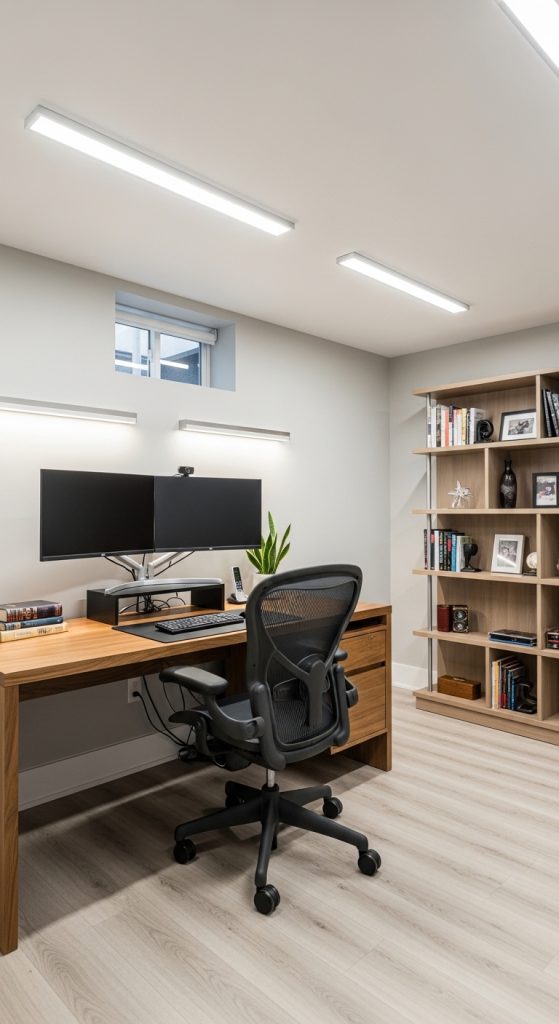
Basements can provide quiet, private space for a home office. Start by ensuring the area is dry and properly insulated. Good lighting is critical, so combine overhead LED lights with desk lamps. Light-colored walls help make the basement feel brighter and more inviting.
Flooring options include laminate, vinyl planks, or carpet tiles for durability and comfort. Make sure there are sufficient electrical outlets and internet connections near the desk. Consider soundproofing if noise from upstairs could be distracting. Ventilation and air circulation are important to prevent the room from feeling damp or stuffy.
Select ergonomic furniture including a sturdy desk and comfortable chair. Add shelves or cabinets for storage. Personalize the space with minimal decorations to keep it organized and motivating. A well-planned basement office can improve productivity and create a professional environment without leaving your home.
4. Create a Guest Bedroom
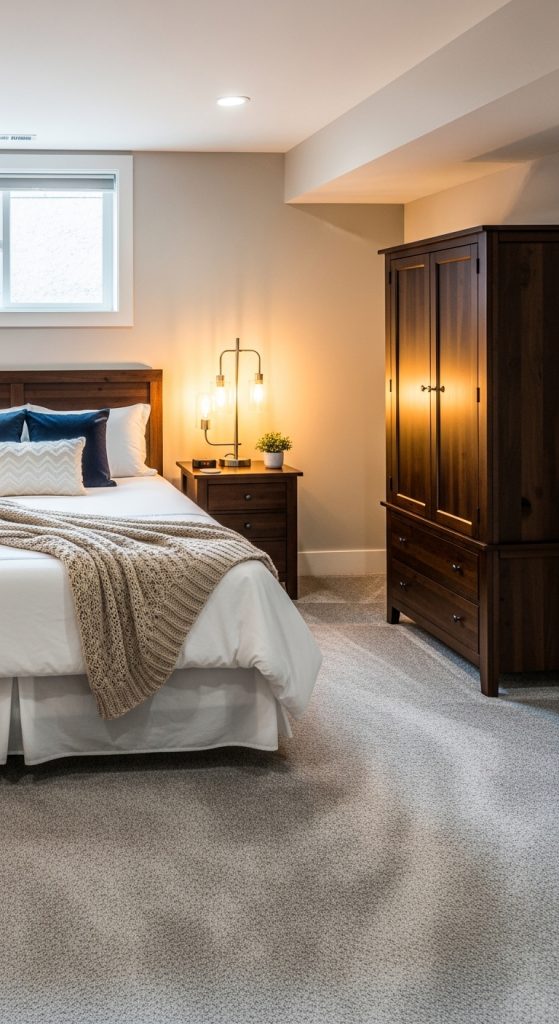
A basement guest bedroom is a practical way to accommodate visitors. Start by checking for proper egress windows, which are required for safety in case of emergencies. Ensure the basement is dry, insulated, and ventilated. Moisture-resistant drywall and flooring, such as vinyl or laminate, are recommended.
Paint walls in soft, neutral colors to create a welcoming atmosphere. Install sufficient lighting including ceiling fixtures and bedside lamps. Add a comfortable bed, wardrobe, and storage furniture. Consider installing a small bathroom nearby if space allows.
Proper heating and cooling is essential for comfort year-round. A well-designed basement bedroom can feel just as cozy and inviting as rooms on the main floors. With careful preparation and attention to materials, you can create a safe and functional space for guests to enjoy.
5. Design a Home Gym
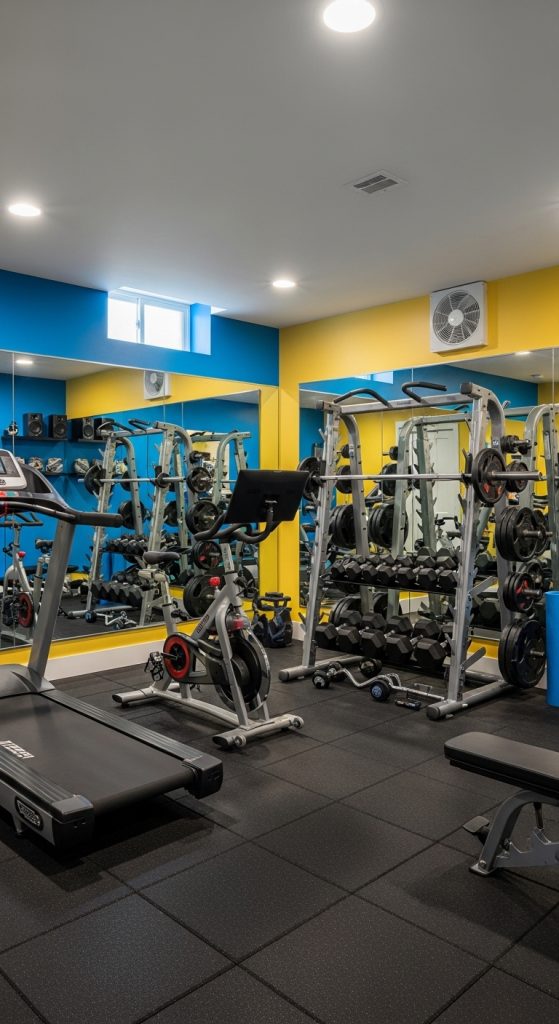
A basement home gym is a convenient way to exercise at any time. Start by ensuring sufficient ceiling height for exercise equipment. Install durable flooring such as rubber mats or foam tiles to protect the floor and absorb impact. Paint the walls in bright or motivating colors to create an energetic atmosphere.
Add mirrors to help with exercise form and to make the space feel larger. Proper ventilation is critical, so use fans or a dehumidifier to maintain fresh air. Adequate lighting is essential for safety and motivation.
Include basic gym equipment like dumbbells, resistance bands, or a treadmill. Use wall-mounted storage to keep equipment organized. A well-prepared basement gym allows you to stay fit while providing a private, dedicated space for workouts.
6. Build a Kids’ Playroom
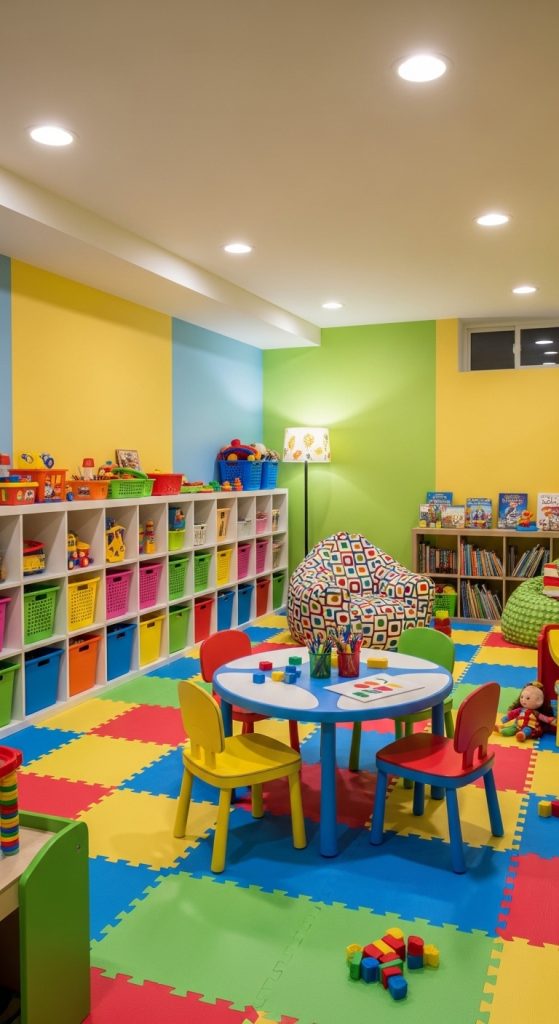
A basement playroom is a safe and fun area for children to enjoy. Begin by checking for moisture and making the space child-safe. Soft flooring such as foam tiles or carpet helps prevent injuries. Paint the walls with washable, bright colors to create a cheerful environment.
Add storage solutions like bins, shelves, and cabinets to keep toys organized. Divide the room into zones for reading, crafting, and active play. Use child-safe furniture with rounded edges.
Consider soundproofing to reduce noise in other parts of the house. Adequate lighting and ventilation are important for comfort and safety. With the right materials and preparation, a basement playroom can be both practical and enjoyable for children of all ages.
7. Create a Basement Bar
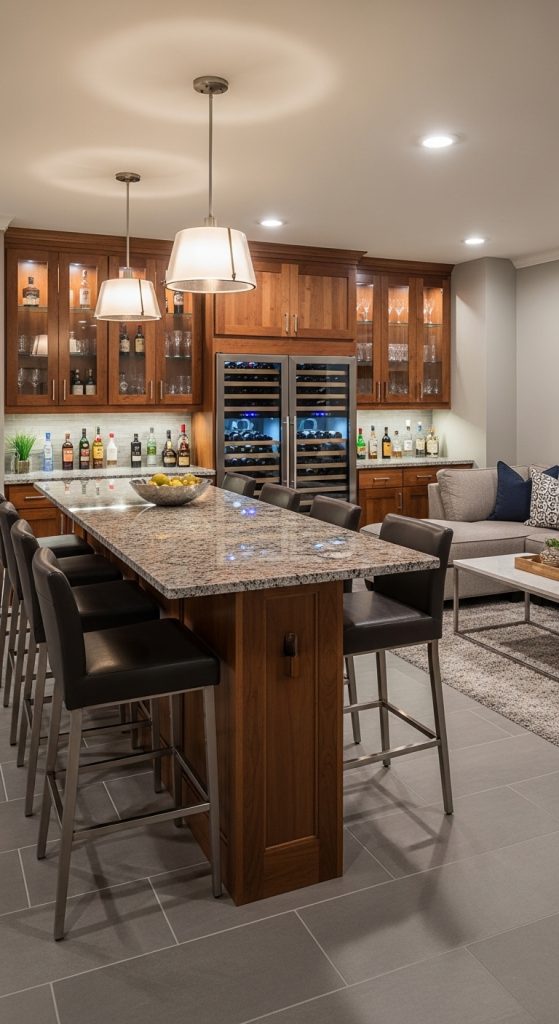
A basement bar is an excellent choice for entertaining guests. Check for plumbing if you plan to include a sink. Use moisture-resistant drywall and durable flooring such as tile or vinyl. Install a countertop using materials like laminate, quartz, or granite.
Add cabinets for storage and shelves for glasses and bottles. Pendant lights above the bar provide style and function. Include bar stools and comfortable seating nearby. You may also install a small refrigerator or wine cooler.
With proper planning and materials, a basement bar creates a social and enjoyable space for gatherings. This remodel adds both style and function to your home.
8. Design a Hobby or Craft Room
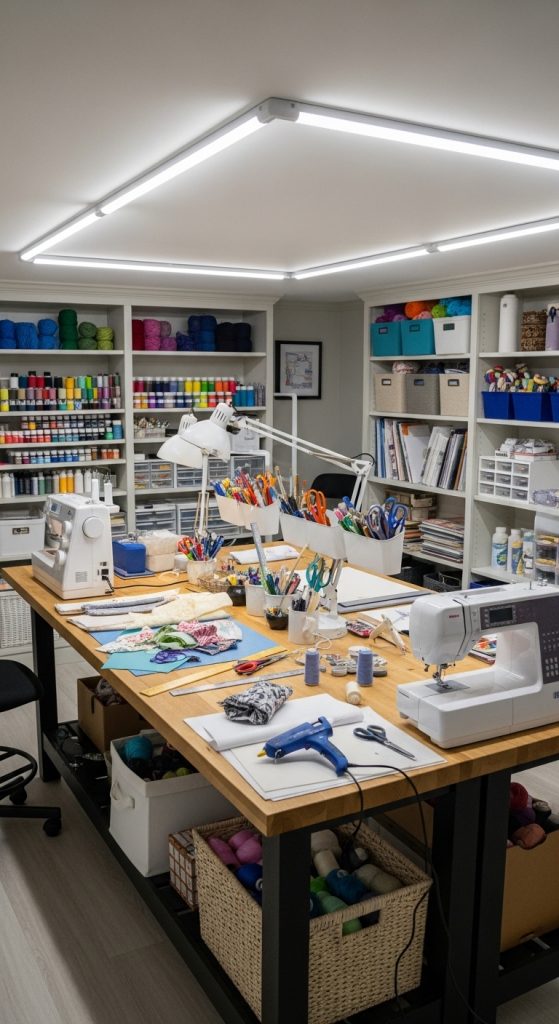
A basement craft room provides a dedicated space for hobbies and creative projects. Start with proper lighting including overhead and task-specific lights. Choose durable and easy-to-clean flooring such as vinyl or laminate.
Install cabinets, shelves, and storage containers for supplies. Use a large table for working on projects. Ensure sufficient electrical outlets for tools or sewing machines.
Paint walls in light colors to enhance brightness. Ventilation is important if using paints or chemicals. Organize the room efficiently to make it both functional and inspiring. A basement hobby room allows you to enjoy creative activities without cluttering the rest of your home.
9. Convert to a Rental Apartment
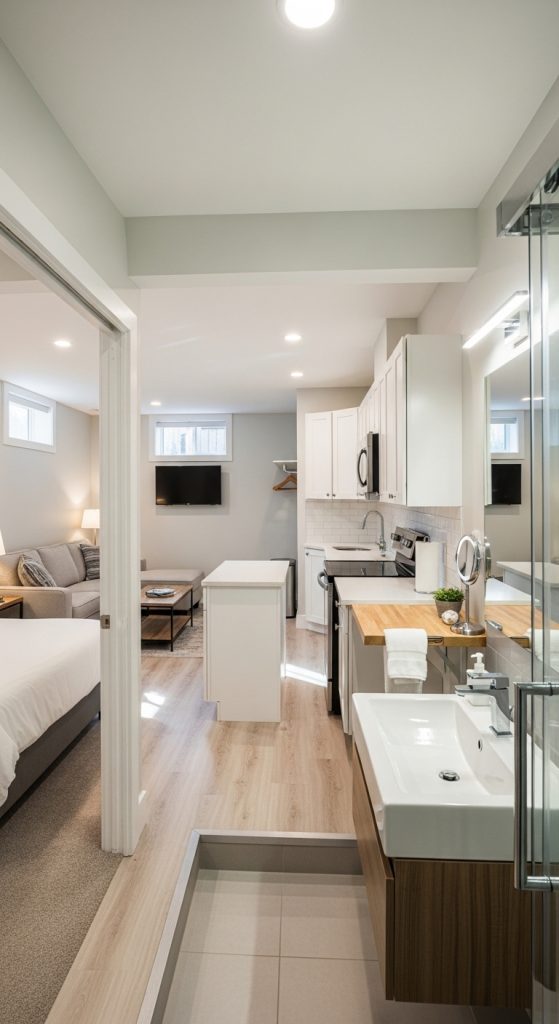
A basement rental apartment can generate additional income. Check local zoning and building codes first. Proper insulation, soundproofing, and moisture control are essential. Ideally, include a separate entrance for privacy.
Design a small kitchen, bathroom, living area, and bedroom. Use durable materials like vinyl flooring and moisture-resistant drywall. Ensure plumbing, heating, and electrical systems are installed professionally.
Include safety features such as smoke detectors and egress windows. A well-designed basement apartment can be a valuable addition to your property while providing a steady source of income.
10. Upgrade Laundry and Storage Space
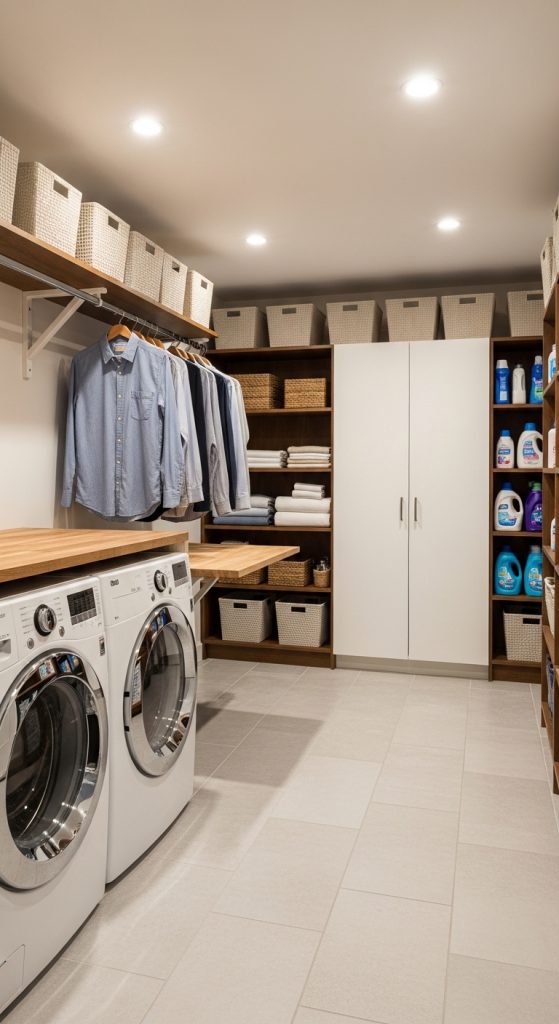
A basement laundry and storage area can be highly functional with the right planning. Install waterproof flooring such as tile. Use moisture-resistant paint for walls. Proper drainage and ventilation are critical to prevent mold.
Add cabinets, shelves, and storage racks for organizing household items. Include a folding table and hanging rods for clothes. Bright lighting improves visibility, making laundry and storage tasks easier.
A well-organized basement can save time, reduce clutter, and improve efficiency in your home. Durable materials and thoughtful preparation ensure this space remains functional for years.