
Creating an elegant, chic home doesn’t require bold colors or complex designs. A neutral color palette, thoughtful materials, and carefully selected furniture can turn any space into a calm, stylish, and sophisticated environment. Neutral tones like beige, cream, white, gray, and soft browns are versatile and timeless. They make rooms feel larger, brighter, and more inviting while providing a perfect backdrop for accents and personal touches.

The key to achieving a chic neutral home is combining simplicity with elegance. Clean lines, natural materials, and subtle textures are essential to avoid a space feeling flat or dull. Every detail, from lighting to decor, plays a role in maintaining balance and harmony. This guide explores ten practical ways to create a neutral home that feels both elegant and cozy. Each point includes ideas for preparation, materials, furniture, and accessories to help you achieve the look. Whether you are designing a new home or refreshing an existing space, these tips will guide you toward a polished, chic neutral interior.
1. Choose a Neutral Color Palette
The foundation of an elegant neutral home begins with selecting the right color palette. Neutral colors such as whites, creams, soft grays, and taupes create a calm, cohesive base for any room. When selecting your palette, consider both wall colors and furniture tones to maintain consistency throughout your home.
Preparation involves testing paint samples on walls to see how they change under different lighting conditions. Natural light can warm up cool tones, while artificial lighting may make warm tones appear more yellow. Layering shades within the same neutral family adds depth and prevents the space from feeling flat. For example, pairing a light beige sofa with a darker taupe rug creates a balanced and visually interesting look.
Materials such as linen, cotton, wood, and stone naturally complement neutral tones. Incorporate these in furniture, flooring, and decor. Accessories like cushions, curtains, and throws in slightly different neutral shades can add subtle texture. By carefully selecting and layering neutral colors, you can create a sophisticated, cohesive, and timeless foundation for your chic home.
2. Invest in High-Quality Furniture
Furniture plays a critical role in creating an elegant and chic space. Neutral interiors rely on simplicity and clean lines, so furniture should be carefully chosen to reflect quality and comfort. Opt for pieces made from durable materials like solid wood, metal, or upholstered furniture in soft, neutral fabrics.
Preparation includes measuring your rooms to ensure furniture fits perfectly and leaves space for movement. Consider multifunctional pieces such as storage ottomans or extendable tables to maintain a clutter-free, open feel. Stick to classic shapes and avoid overly ornate designs that may clash with the minimalist elegance of a neutral palette.
Materials like natural wood or stone add warmth and texture to a neutral home, while metal accents in gold, bronze, or matte black offer subtle sophistication. Accessories like cushions, throws, and rugs should enhance comfort without disrupting the color scheme. By investing in high-quality furniture that combines function with timeless style, your neutral home will feel refined, welcoming, and effortlessly chic.
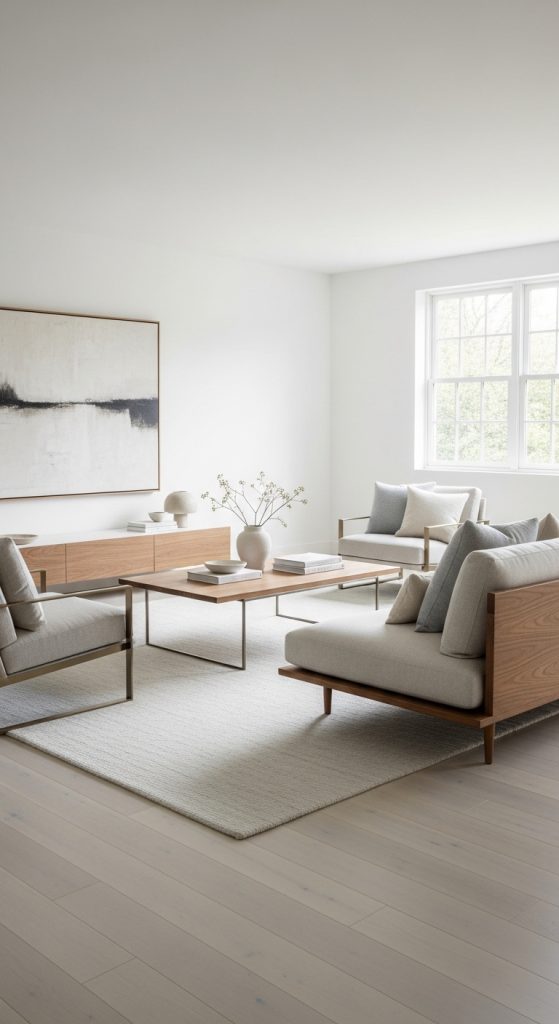
3. Layer Textures for Visual Interest
Neutral spaces can sometimes feel flat, but layering textures adds depth and sophistication. Combining different textures makes a room feel cozy and inviting while maintaining a minimalist aesthetic. Materials like linen, velvet, wool, leather, rattan, and natural wood provide contrast and tactile appeal.
Preparation involves choosing a base layer, usually a neutral rug or sofa, and adding varied textures through pillows, blankets, curtains, and accessories. Mixing smooth and rough textures prevents monotony, while keeping everything within the neutral palette maintains harmony. For example, a soft linen sofa paired with a chunky wool throw and a rattan chair creates a balanced and stylish composition.
Furniture, decor, and wall finishes can also contribute texture. Matte and glossy surfaces, woven baskets, and textured wallpaper can add subtle visual interest. Lighting plays a role as well; soft lamps or natural sunlight enhance textures, making the space feel dynamic. By thoughtfully layering textures, a neutral home can feel elegant, lively, and comfortable without relying on bold colors.

4. Incorporate Natural Materials
Using natural materials reinforces the elegance and timeless appeal of a neutral home. Wood, stone, cotton, wool, and leather add warmth and authenticity to the space. These materials also connect the interior with the natural environment, creating a soothing atmosphere.
Preparation includes sourcing materials that complement your color palette. Light oak or walnut can match beige or gray walls, while natural stone like marble or travertine works beautifully for floors or countertops. Cotton and linen fabrics are ideal for upholstery, bedding, and curtains, adding softness and comfort.
Furniture, flooring, and decor items should highlight the natural beauty of these materials. A wooden dining table, stone countertops, and linen cushions create a cohesive and harmonious look. Even small touches, like a leather accent chair or a wool rug, enhance the overall aesthetic. Incorporating natural materials ensures your home feels luxurious yet grounded, bridging the gap between elegance and comfort.

5. Optimize Lighting
Lighting is essential in a neutral home. Proper lighting enhances the color palette, highlights textures, and creates ambiance. Use a mix of natural and artificial light sources to maintain warmth and depth throughout your space.
Preparation includes assessing the natural light in each room and planning artificial lighting accordingly. Large windows with sheer curtains maximize daylight, while layered artificial lighting, such as ceiling fixtures, table lamps, and floor lamps, creates flexibility. Warm LED bulbs complement neutral tones by softening the overall look.
Consider statement lighting pieces like a sculptural chandelier or pendant light to add elegance without overpowering the neutral palette. Small accent lights can highlight artwork, architectural features, or decorative objects. The combination of natural light and layered artificial lighting makes neutral spaces feel vibrant, welcoming, and luxurious. Proper lighting enhances every detail, ensuring your chic home feels bright, comfortable, and visually appealing.

6. Keep Decor Minimal and Purposeful
Minimalism is a key element of a chic neutral home. Clutter can disrupt the calm atmosphere, so decor should be carefully chosen and purposeful. Select items that add value or aesthetic appeal without overcrowding the space.
Preparation involves decluttering and organizing existing items. Prioritize functional decor like storage solutions, elegant trays, and vases. Stick to a limited color palette for artwork, sculptures, and decorative accessories, ensuring they blend with the neutral tones of your home.
Materials such as glass, ceramic, wood, and metal complement neutral decor. For example, a simple white ceramic vase on a wooden console or a bronze sculpture on a marble shelf adds sophistication without overwhelming the senses. By keeping decor minimal, your home will maintain an elegant, airy, and timeless feel while highlighting the beauty of each carefully selected piece.

7. Choose Neutral Flooring
Flooring sets the tone for your home and contributes significantly to the overall aesthetic. Neutral flooring enhances the sense of space and provides a cohesive foundation for furniture and decor. Materials like wood, stone, ceramic tiles, and neutral-toned carpets work well in a chic home.
Preparation includes measuring the space and selecting durable, high-quality materials. Wood flooring in light or medium tones complements beige, cream, and gray walls. Stone tiles such as travertine or marble add luxury, while neutral carpets soften living areas and bedrooms. Layer rugs for additional texture and warmth.
Flooring also impacts lighting and mood. Lighter tones make rooms feel larger and more open, while slightly darker tones provide contrast and coziness. By selecting neutral flooring, you create a versatile base that allows furniture, textiles, and accessories to stand out, ensuring your home remains elegant, cohesive, and stylish.

8. Integrate Statement Pieces
Even in a neutral home, statement pieces create focal points and personality. These can be furniture, artwork, lighting, or decor items that stand out through shape, texture, or material rather than bold color.
Preparation involves identifying key areas where a statement piece can enhance the design. For example, a sculptural chair, a marble coffee table, or a textured wall hanging can draw attention while maintaining a neutral palette. Avoid overcrowding; one or two statement items per room are sufficient.
Materials such as metal, glass, or natural stone often make the most effective statement pieces. A brass chandelier or a carved wooden mirror can become the center of attention without disrupting the calm aesthetic. Thoughtfully integrating statement pieces ensures your neutral home feels curated, sophisticated, and visually interesting while keeping the overall atmosphere serene and elegant.

9. Use Soft Furnishings Strategically
Soft furnishings like cushions, throws, rugs, and curtains play a significant role in a neutral home. They add comfort, texture, and warmth, helping spaces feel inviting and lived-in. Strategic placement ensures they enhance rather than clutter the design.
Preparation includes selecting fabrics that complement your palette and textures. Linen, cotton, and wool work beautifully in neutral tones. Mix different shapes, sizes, and textures to create visual interest without introducing bold colors. For example, a wool rug under a linen sofa with cotton cushions adds layers and depth.
Position soft furnishings to emphasize seating areas, highlight architectural features, or add coziness to bedrooms. Even small touches, like a throw draped over a chair or decorative cushions on a sofa, make a significant impact. By thoughtfully using soft furnishings, your home achieves elegance, comfort, and a refined sense of style.
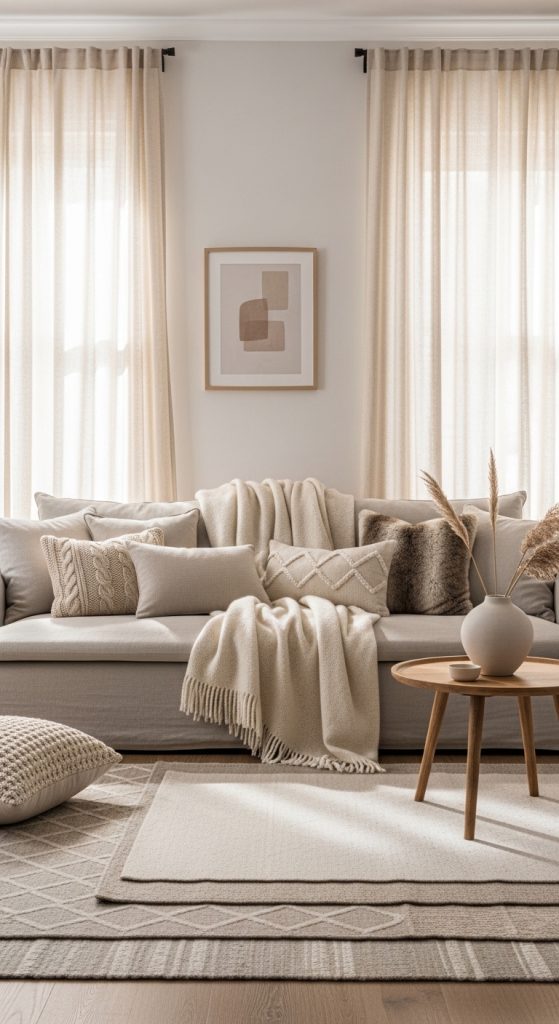
10. Add Greenery and Natural Elements
Plants and natural elements bring life and energy to a neutral home. Greenery contrasts beautifully with neutral tones, providing freshness without overpowering the calm aesthetic.
Preparation involves selecting plants that thrive indoors and match your style. Large potted plants, small tabletop succulents, or hanging planters all work well. Choose simple, elegant pots in neutral colors to maintain cohesion.
Natural elements like wood, stone, and dried flowers complement greenery and enhance the overall design. A wooden planter, a stone bowl, or a vase of dried pampas grass can become subtle focal points. Greenery not only improves air quality but also softens architectural lines and adds a sense of tranquility. By incorporating natural elements, your neutral home feels lively, welcoming, and perfectly balanced, blending elegance with nature.
