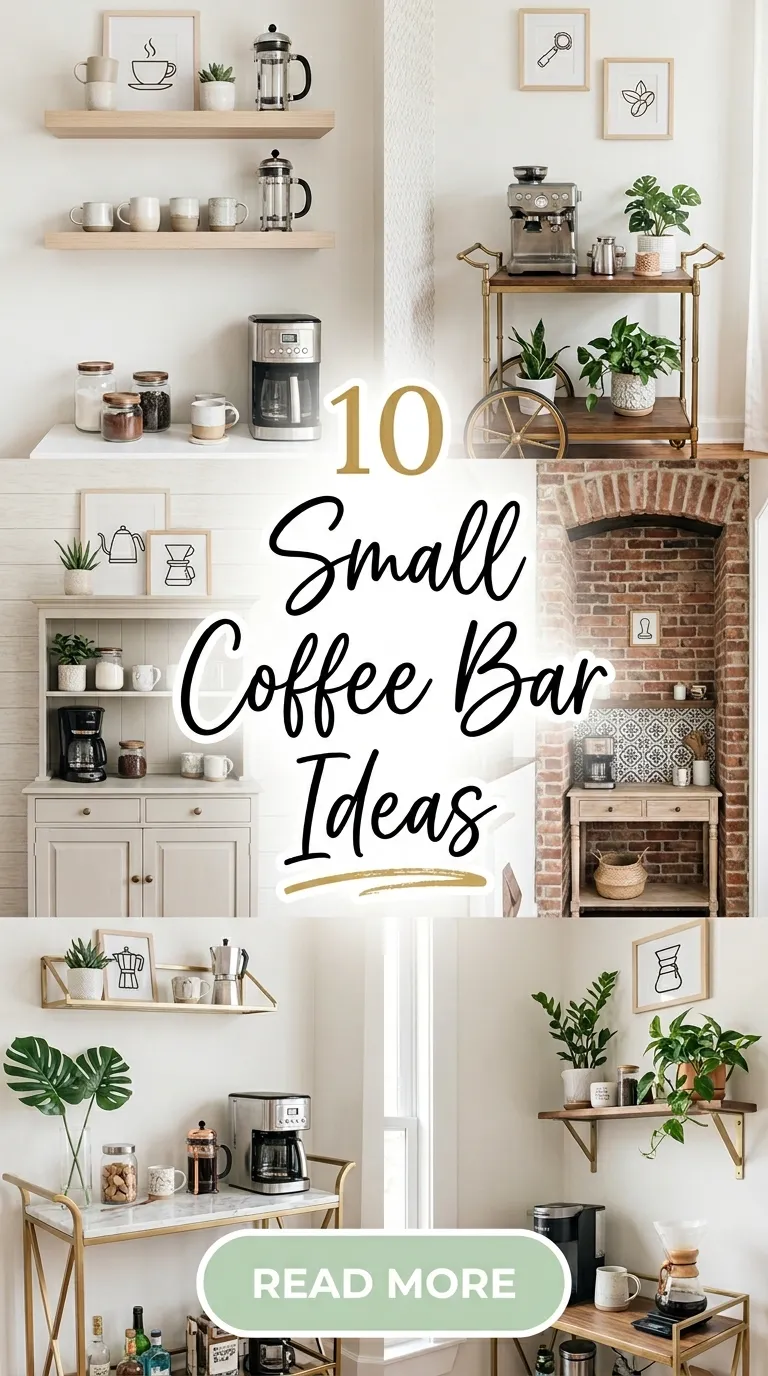

Small coffee bars have become very popular in homes, offices, cafés, and even small apartments. Many people enjoy having a dedicated space where they can prepare and enjoy their favorite coffee drinks. A well-designed coffee bar does not require a large area. With thoughtful planning, the right materials, and a few creative ideas, even a small corner can be transformed into a functional and attractive coffee station.
A small coffee bar can serve several purposes. It can organize coffee equipment, display mugs and accessories, and create a pleasant spot for daily coffee preparation. Whether you enjoy espresso, cappuccino, pour-over coffee, or simple drip coffee, having a designated space makes the experience easier and more enjoyable. A good coffee bar also improves kitchen organization and adds visual appeal to your space.
When designing a small coffee bar, it is important to consider layout, storage, materials, lighting, and accessibility. The goal is to keep everything you need within reach while maintaining a clean and stylish appearance. Choosing the right furniture, shelves, containers, and decorative items can help you create a coffee bar that fits both your space and your lifestyle.
In this guide, you will discover ten practical and creative small coffee bar ideas. Each idea includes preparation tips, materials you may need, and useful suggestions to help you design a coffee bar that is both functional and visually pleasing.
1. Compact Countertop Coffee Bar
A compact countertop coffee bar is one of the easiest ways to create a dedicated coffee space. This setup works well in small kitchens where space is limited but you still want a neat and organized coffee station.
Preparation begins by selecting a section of your kitchen counter that is close to a power outlet. This is important because most coffee machines, grinders, and kettles require electricity. Clear the area and make sure there is enough space for your coffee maker and a few accessories.
The main materials you will need include a coffee machine, a small tray or wooden board, airtight containers for coffee beans or ground coffee, a mug holder, and possibly a small grinder. A tray is useful because it groups the items together and keeps the counter looking tidy.
Place the coffee machine at the center of the station. Arrange containers for sugar, coffee beans, and stirrers beside it. If space allows, add a small rack for mugs or hooks under a cabinet. This helps keep mugs organized and easy to access.
You can also add a small decorative item such as a plant or framed quote to make the area more inviting. The key to a successful countertop coffee bar is keeping everything simple, organized, and within reach.

2. Corner Coffee Bar Setup
A corner coffee bar is an excellent solution for unused spaces in kitchens or dining rooms. Many corners remain empty, but they can easily become a functional coffee station.
Start by identifying a quiet corner that has access to electricity. Clean the area and measure the available space so you can choose furniture that fits properly. A small corner table or triangular shelf works well for this setup.
The materials required include a compact table or cabinet, a coffee maker, storage jars, mugs, and a small shelf or rack. If the corner wall is empty, installing floating shelves above the table can create additional storage.
Place the coffee machine on the table and organize jars of coffee, sugar, and tea beside it. Use the shelves above to display mugs, coffee syrups, or decorative containers. This vertical storage helps save space while keeping everything visible.
Lighting is also important for a corner coffee bar. A small wall light or LED strip under the shelf can make the area look warm and welcoming. Good lighting also helps during early morning coffee preparation.
This setup transforms an unused corner into a practical and attractive coffee space without taking up much room.

3. Coffee Bar Cart
A coffee bar cart is a flexible and stylish option for small homes. Because it is mobile, it can be moved anywhere in the house when needed.
To create a coffee bar cart, start by choosing a sturdy cart with two or three tiers. Metal carts, wooden carts, or rolling kitchen carts work well. Make sure the cart is strong enough to hold a coffee machine and other accessories.
The basic materials include a coffee maker, mugs, coffee jars, sugar containers, stirrers, and a small tray. You may also include a milk frother, grinder, or flavored syrups if you enjoy specialty drinks.
Place the coffee machine on the top level of the cart. Arrange mugs and jars beside it. The second shelf can hold extra coffee beans, napkins, or small containers. The bottom shelf is ideal for storing additional mugs or cleaning supplies.
The advantage of a coffee cart is that it keeps everything in one place while allowing you to move it easily. You can roll it near the dining table when serving guests or move it back to a corner when not in use.
To make the cart more attractive, add a small plant, framed sign, or decorative mug display.

4. Wall Mounted Coffee Bar
A wall mounted coffee bar is perfect for very small spaces where counter space is limited. This design focuses on vertical storage and smart organization.
Preparation starts by selecting a wall near a power outlet. Measure the wall area so you can install shelves at the right height. Make sure the shelves are strong enough to support coffee equipment.
Materials for this setup include wooden or metal floating shelves, wall hooks for mugs, a small coffee machine, jars for coffee and sugar, and a tray to keep items organized.
Install one main shelf to hold the coffee maker. Above it, place one or two additional shelves for storing mugs and containers. Hooks can be installed below a shelf to hang mugs, which saves space and creates a decorative display.
Use labeled jars for coffee beans, sugar, and cocoa powder. Transparent glass jars work well because they allow you to see the contents easily.
A wall mounted coffee bar keeps the floor and counter area free while still providing a complete coffee station. It is also visually appealing because the shelves create a neat display of coffee accessories.

5. Cabinet Coffee Bar
A cabinet coffee bar helps keep your coffee station organized and hidden when not in use. This idea works well for people who prefer a clean and clutter-free kitchen.
Begin by selecting a small cabinet or sideboard. The cabinet should have enough space on top for a coffee machine and additional storage inside for supplies.
The materials needed include a coffee maker, mugs, jars for coffee and sugar, spoons, and possibly a grinder or milk frother. Inside the cabinet, you can store extra coffee beans, filters, and cleaning supplies.
Place the coffee machine on the cabinet top. Arrange jars and mugs beside it. Inside the cabinet, organize additional items using baskets or storage boxes.
You may also install a small rack or divider inside the cabinet to keep mugs and accessories neatly arranged. This prevents clutter and makes items easier to find.
Adding a small lamp, plant, or decorative sign on the cabinet top can improve the overall look. A cabinet coffee bar combines storage and functionality while maintaining a tidy appearance.

6. Minimalist Coffee Bar
A minimalist coffee bar focuses on simplicity and clean design. This style works well in modern homes where clutter is avoided and only essential items are displayed.
Preparation begins by selecting a small counter or table space. Remove unnecessary items and keep only the essentials required for coffee preparation.
The materials for a minimalist coffee bar include a high-quality coffee machine, one or two airtight coffee containers, a few mugs, and a simple tray. Choose neutral colors such as white, black, wood, or stainless steel to maintain a clean appearance.
Place the coffee machine at the center of the station. Arrange the coffee container and mugs beside it in a neat order. Avoid overcrowding the space with too many accessories.
Minimalist coffee bars often use natural materials like wood, ceramic, or glass. These materials create a calm and elegant look without needing additional decoration.
A small plant or simple framed artwork can be added if desired, but the overall design should remain simple. The goal is to create a peaceful and organized space where making coffee feels relaxing and enjoyable.

7. Rustic Coffee Bar
A rustic coffee bar adds warmth and character to your coffee station. This style uses natural materials and vintage elements to create a cozy environment.
Start by selecting a wooden table, reclaimed wood shelf, or vintage cabinet. Rustic designs often use wood with natural textures and warm tones.
The materials required include a coffee maker, wooden trays, glass jars, ceramic mugs, and possibly vintage containers for sugar and coffee beans. You may also include metal accents such as iron hooks or wire baskets.
Place the coffee machine on the wooden surface and arrange jars and mugs around it. Use wooden trays to group items together. Hanging mugs on metal hooks adds both storage and decorative value.
Rustic coffee bars often include decorative elements such as small plants, woven baskets, or chalkboard signs. These details help create a comfortable and welcoming atmosphere.
Lighting also plays an important role. Warm lighting or a small table lamp can enhance the cozy feeling of the rustic design.
This type of coffee bar is perfect for homes that prefer a relaxed and natural interior style.

8. Coffee Bar with Open Shelving
Open shelving is a practical way to organize a small coffee bar while keeping everything visible and easy to access.
Preparation begins by installing two or three sturdy shelves above a small counter or table. Make sure the shelves are properly secured to the wall so they can safely hold mugs and jars.
Materials for this setup include a coffee maker, glass containers, mugs, small baskets, and storage jars. Open shelves allow you to display these items neatly.
Place the coffee machine on the counter. Use the first shelf above it to store mugs. The second shelf can hold jars of coffee beans, sugar, cocoa powder, and syrups.
Small baskets are useful for storing stirrers, napkins, and coffee filters. Labeling containers can also help keep everything organized.
One advantage of open shelving is that it allows you to create a visually pleasing display. Matching containers and mugs can make the coffee bar look more organized and attractive.
This idea is both functional and decorative, making it ideal for small kitchens or dining areas.

9. Hidden Coffee Bar in a Pantry
A hidden coffee bar inside a pantry or cupboard is perfect for people who want their coffee station out of sight when not in use.
Begin by selecting a section of your pantry that can accommodate a coffee machine and accessories. Make sure there is an electrical outlet available for the coffee maker.
The materials required include a coffee machine, storage jars, mugs, small trays, and organizers for keeping items in order. You may also install a small shelf inside the pantry to create extra storage space.
Place the coffee machine on the pantry shelf or counter. Arrange jars of coffee, sugar, and tea beside it. Use baskets or containers to organize smaller items such as stirrers and filters.
The advantage of this design is that everything stays neatly stored behind closed doors. This helps maintain a clean kitchen appearance.
Good lighting inside the pantry is important. Installing a small LED light can make it easier to prepare coffee in the morning.
This hidden setup is efficient, practical, and ideal for maintaining a tidy kitchen.

10. Decorative Coffee Bar Nook
A decorative coffee bar nook is designed to be both functional and visually appealing. It turns a small space into a cozy area dedicated to coffee preparation and enjoyment.
Start by choosing a small nook or alcove in your kitchen or dining area. Measure the space and add a small table, cabinet, or shelf that fits comfortably.
The materials needed include a coffee machine, mugs, decorative containers, trays, and possibly wall art or a small chalkboard. The goal is to create a charming and inviting coffee corner.
Place the coffee machine at the center of the nook. Arrange mugs on shelves or hooks, and store coffee beans and sugar in stylish containers.
Decorative elements such as framed prints, small plants, or a coffee menu board can add personality to the space. Soft lighting also helps create a welcoming atmosphere.
A decorative coffee nook is ideal for people who enjoy creating a pleasant coffee experience. It combines practical storage with attractive design, making the coffee bar a beautiful part of the home.
