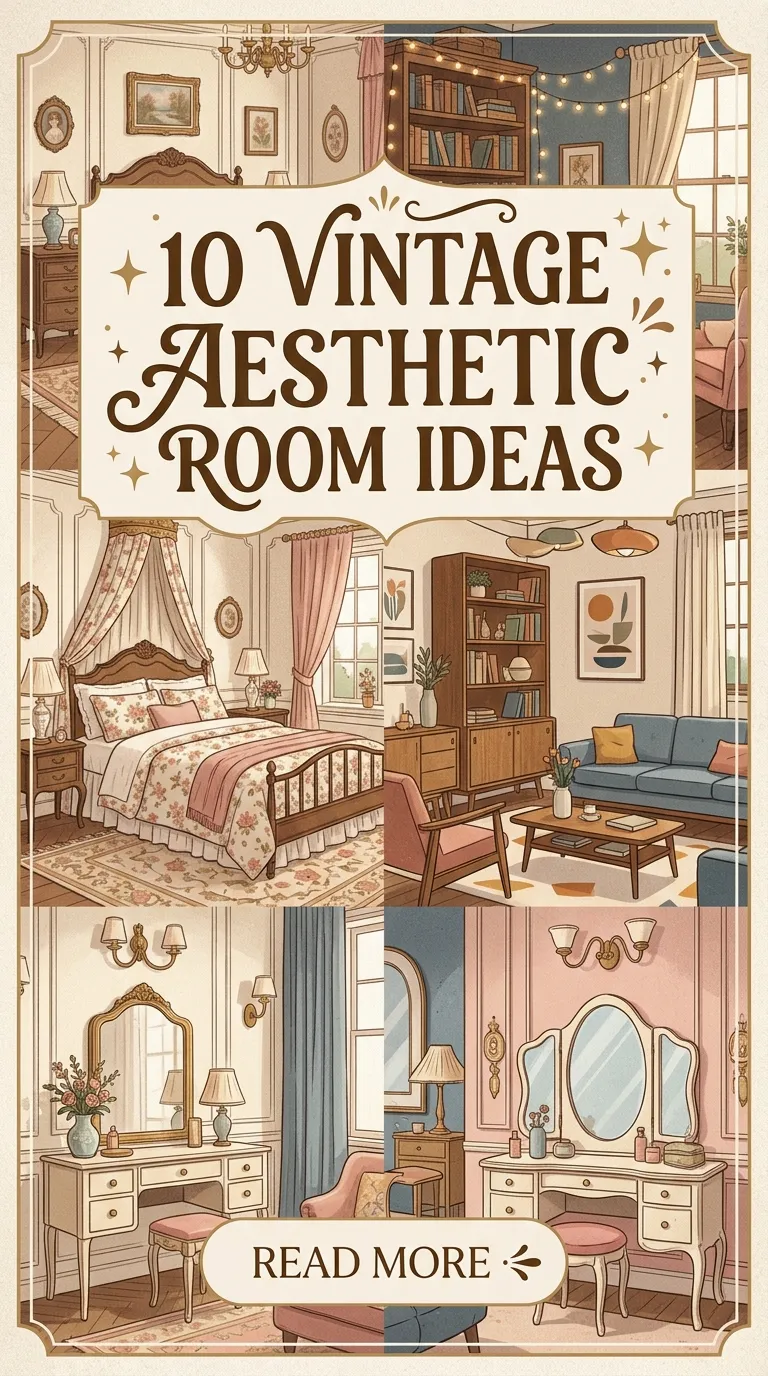
Vintage aesthetic rooms bring warmth, personality, and timeless charm into a living space. Unlike modern minimalist interiors that focus mainly on clean lines and neutral colors, vintage design celebrates history, character, and unique pieces that tell a story. A vintage aesthetic room often combines antique furniture, soft color palettes, textured fabrics, and decorative items that feel nostalgic and elegant. Many people enjoy this style because it creates a cozy environment while allowing creativity through the use of secondhand finds, heirlooms, and handcrafted décor.
Designing a vintage-inspired room does not necessarily require expensive antiques. With thoughtful planning, thrift store discoveries, and creative decoration, anyone can build a beautiful vintage space. The key is understanding the elements that define vintage style such as muted colors, classic patterns, aged finishes, and decorative accessories like mirrors, lamps, and framed artwork. Preparation also plays an important role. Choosing the right materials, planning the layout, and selecting the right color scheme helps achieve an authentic and balanced vintage look.
This guide explores ten vintage aesthetic room ideas that can transform any bedroom, living room, or study space into a charming retreat. Each idea includes preparation tips, materials to use, and practical suggestions for achieving the desired aesthetic. Whether you prefer romantic vintage, rustic antique charm, or a cozy cottage style, these ideas will help you design a space that feels timeless and inviting.
1. Soft Pastel Vintage Bedroom
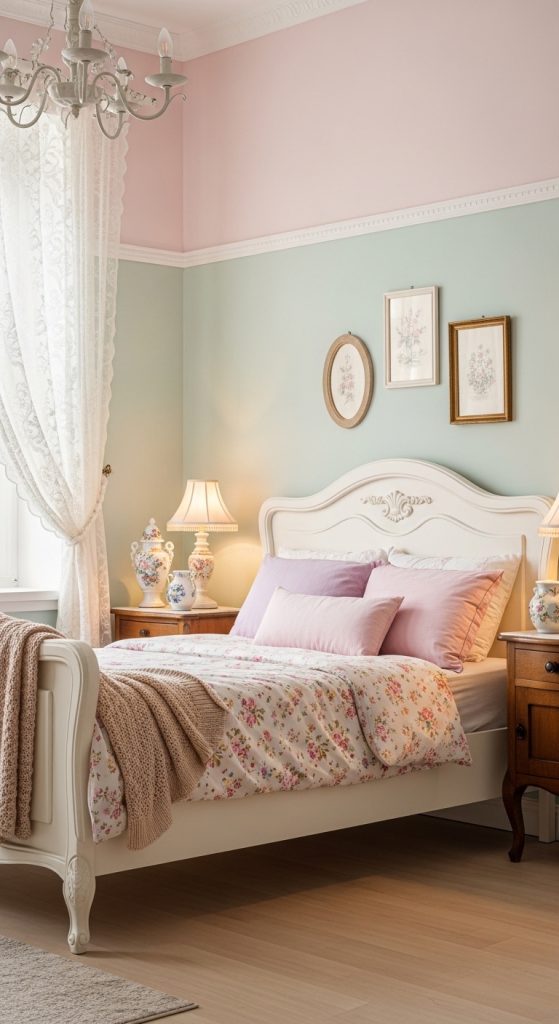
A soft pastel vintage bedroom creates a calm and romantic atmosphere. This style is inspired by classic European interiors that use gentle colors and delicate details. Light pink, mint green, baby blue, lavender, and cream are popular shades that help build a soft vintage look.
Preparation begins with choosing the color palette. Walls can be painted in a pale pastel shade or covered with vintage-style floral wallpaper. If wallpaper is used, choose patterns that are subtle and slightly faded to create an aged appearance.
Materials needed for this style include wooden furniture, preferably with carved details or curved edges. A white or cream painted bed frame works well. Distressed finishes can also help furniture look older and more authentic.
Textiles are important in this design. Cotton bedding with floral prints, lace curtains, and knitted blankets add warmth and texture. Decorative pillows with embroidered patterns enhance the vintage charm.
Accessories such as antique mirrors, porcelain vases, and small framed paintings can be placed on bedside tables or shelves. Soft lighting from table lamps with fabric shades completes the atmosphere.
This style works best when the room remains light and airy. Avoid overcrowding the space and focus on a few meaningful decorative pieces that reflect vintage elegance.
2. Antique Wooden Furniture Room
One of the most classic ways to create a vintage aesthetic is by using antique wooden furniture. Solid wood furniture pieces naturally bring a sense of history and durability to any room.
The first step in preparation is selecting furniture made from natural wood such as oak, walnut, or mahogany. These materials were commonly used in older furniture designs and have rich textures that add depth to a room.
A vintage room built around wooden furniture usually includes a classic wardrobe, a wooden bed frame, a dresser with brass handles, and a study desk. Furniture with carved details or turned legs adds authenticity.
To enhance the vintage appearance, furniture can be lightly distressed or polished to highlight the wood grain. Avoid glossy modern finishes because vintage furniture typically has a softer, aged look.
Wall colors should complement the wood tones. Cream, beige, muted green, or dusty blue walls create a warm background. Wooden flooring or vintage-style rugs can further strengthen the aesthetic.
Decorative items such as old books, brass candle holders, and framed black and white photographs work well with antique wood furniture. Lighting should be warm and soft, using lamps with fabric or glass shades.
This style focuses on quality furniture pieces rather than excessive decoration, allowing the natural beauty of wood to become the main visual element.

3. Vintage Floral Wallpaper Room
Floral wallpaper is one of the most recognizable elements of vintage interior design. It brings elegance, pattern, and personality into a room while creating a nostalgic feeling.
Before installing wallpaper, it is important to measure the walls and choose a pattern that suits the room size. Large floral patterns work well in bigger rooms, while smaller patterns are better for compact spaces.
The materials required include vintage-inspired wallpaper, wallpaper adhesive, and basic installation tools such as brushes and rollers. Choosing wallpaper with faded or muted colors helps create a more authentic vintage feel.
Furniture in this type of room should remain relatively simple so that the wallpaper becomes the main decorative feature. Light colored wooden furniture or painted furniture in white or cream works best.
Textiles should complement the wallpaper pattern. Bedding, curtains, and cushions can use similar color tones without copying the exact floral pattern.
Accessories may include ceramic vases, small antique clocks, and framed botanical illustrations. These items reinforce the natural floral theme of the room.
Proper lighting helps highlight the wallpaper design. Soft warm lights create a cozy environment that enhances the vintage mood.
Floral wallpaper rooms are perfect for people who enjoy classic decorative patterns and romantic interiors.

4. Vintage Reading Corner
A vintage reading corner is a charming idea for people who enjoy books and quiet relaxation. This small space can be created in a bedroom, living room, or even near a window.
Preparation begins by selecting a comfortable seating option such as a vintage armchair or a small upholstered chair. Chairs with curved wooden arms or patterned fabric upholstery fit the vintage aesthetic.
A small wooden side table should be placed next to the chair. This table can hold books, a cup of tea, or decorative items.
Lighting is essential in a reading corner. A vintage floor lamp with a fabric shade or brass stand provides warm lighting that is comfortable for reading.
Materials for decoration include old books, woven blankets, lace table covers, and framed literary quotes. A small bookshelf or wall-mounted shelf can hold additional books.
A patterned vintage rug helps define the reading area and adds warmth to the floor. Earth tones, faded reds, and soft browns work well in vintage spaces.
Adding a few plants can also enhance the atmosphere, especially in ceramic or clay pots that match the vintage style.
The goal of a vintage reading corner is to create a cozy and peaceful environment where reading becomes a relaxing daily habit.

5. Vintage Gallery Wall
A vintage gallery wall is an excellent way to display art, photographs, and memories while creating a strong visual statement in a room.
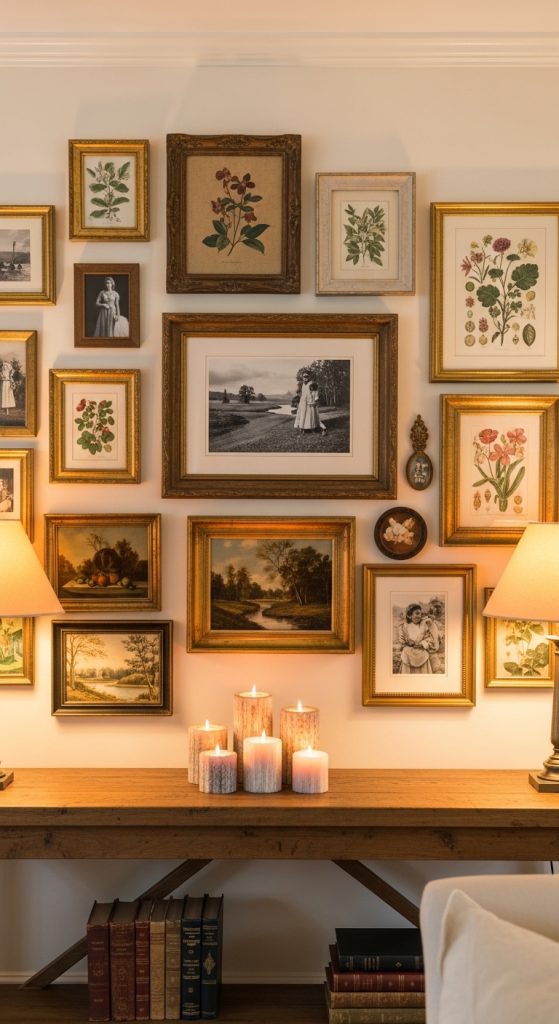
Preparation involves collecting different frames in various sizes and styles. Wooden frames, brass frames, and slightly distressed frames help create the vintage aesthetic.
Before hanging the frames, it is useful to arrange them on the floor to test different layouts. This planning step ensures that the wall looks balanced once everything is installed.
Materials needed include picture frames, nails or hooks, a measuring tape, and a level tool. The artwork can include old photographs, vintage postcards, botanical illustrations, and classic paintings.
A gallery wall works best on a neutral background such as cream, light gray, or pale beige walls. This allows the artwork to stand out without overwhelming the room.
Mixing frame styles and artwork types adds character and uniqueness. Some frames can contain black and white family photos, while others may display antique sketches or maps.
Lighting also enhances the gallery wall. Small wall lamps or nearby table lamps can highlight the artwork and create a warm atmosphere.
This design idea allows people to personalize their space while celebrating vintage art and photography.
6. Vintage Lace and Fabric Decor
Textiles play a major role in vintage interiors, especially lace and delicate fabrics that add softness and elegance.
Preparation for this style begins by choosing fabric materials that reflect traditional craftsmanship. Lace curtains, embroidered pillowcases, crocheted blankets, and cotton bedding are commonly used.
Lace curtains are particularly important because they allow natural light to enter while adding decorative texture to the windows. These curtains create a light and airy atmosphere in the room.
Tablecloths and dresser covers made from lace or crochet can be placed on wooden furniture to protect surfaces while enhancing the vintage look.
The color palette should remain soft and neutral. Cream, ivory, pale pink, and soft beige fabrics work best for this style.
Furniture can include wooden dressers, side tables, and vintage bed frames. The furniture should not be overly modern because it may clash with the delicate fabric details.
Accessories such as porcelain figurines, vintage jewelry boxes, and old perfume bottles complement the lace aesthetic.
This style focuses on softness and comfort, making the room feel peaceful and nostalgic.

7. Rustic Vintage Farmhouse Room
A rustic vintage farmhouse room combines countryside charm with antique elements. This style is inspired by traditional farmhouses and rural homes.
Preparation begins with selecting natural materials such as wood, linen, and metal. Wooden furniture with visible grain patterns adds authenticity.
Walls can be painted in warm neutral colors such as cream, beige, or soft gray. Wooden wall panels or exposed beams can also enhance the farmhouse atmosphere.
Furniture pieces should be sturdy and simple. A wooden bed frame, a rustic dresser, and a farmhouse-style table are ideal.
Textiles should include linen bedding, woven blankets, and simple patterned cushions. These materials create a comfortable and welcoming environment.
Decorative items might include vintage lanterns, metal buckets used as plant holders, and antique farming tools used as wall decorations.
A woven rug or jute carpet helps complete the rustic look. Natural textures are essential in this design style.
This type of vintage room feels warm, grounded, and connected to nature.

8. Vintage Vanity Corner
A vintage vanity corner adds elegance and functionality to a bedroom. It provides a dedicated space for grooming while enhancing the room’s aesthetic.
Preparation starts with selecting a vanity table with a mirror. Vintage vanities often feature curved legs, decorative carvings, and small drawers.
Materials include a wooden vanity table, a cushioned stool, and a large decorative mirror. Mirrors with ornate frames enhance the vintage theme.
The vanity surface can be decorated with perfume bottles, jewelry boxes, makeup trays, and small flower vases.
Lighting is very important. A table lamp or wall-mounted light near the mirror provides enough brightness for daily grooming activities.
Soft pastel or neutral wall colors help highlight the vanity area. A small rug under the vanity chair adds comfort and completes the design.
Organizing accessories in trays or small containers keeps the space tidy while maintaining the aesthetic appeal.
This corner adds a touch of classic beauty and personal charm to any vintage-inspired room.

9. Vintage Lighting and Lamps
Lighting is a key element in creating a vintage atmosphere. The right lamps can instantly change the mood of a room.
Preparation involves selecting lighting fixtures that resemble older designs. Brass lamps, glass lampshades, and fabric lampshades are common in vintage décor.
Table lamps can be placed on bedside tables, desks, or dressers. Floor lamps with curved metal stands are also popular choices.
Materials for vintage lighting often include brass, bronze, glass, and ceramic bases. These materials provide durability and decorative appeal.
Warm light bulbs should be used instead of bright white bulbs. Warm lighting creates a soft glow that enhances the nostalgic feeling of the room.
Placement of lights should focus on creating comfortable illumination rather than harsh brightness. Multiple small lamps around the room work better than a single strong ceiling light.
Decorative lamp bases, patterned shades, and antique-style switches add authenticity to the design.
Vintage lighting brings warmth and elegance while highlighting other decorative elements in the room.

10. Vintage Storage and Decorative Trunks
Vintage trunks and storage boxes are both practical and decorative. They help organize belongings while adding character to the room.
Preparation starts with finding old wooden trunks, leather suitcases, or antique storage chests. These items can often be found in flea markets or antique stores.
Materials typically include wood, leather, metal locks, and brass corner protectors. These features give trunks their distinctive vintage appearance.
A trunk can be placed at the foot of the bed, used as a coffee table, or positioned near a wall for extra storage.
Inside the trunk, blankets, books, seasonal clothing, or keepsakes can be stored neatly.
Decorative styling can include placing books, candles, or small plants on top of the trunk. This turns the storage piece into a functional furniture item.
Vintage suitcases stacked together can also serve as a bedside table or decorative display.
These storage solutions combine practicality with style, making them a valuable addition to any vintage aesthetic room.
