A small garden fountain can transform any outdoor space into a peaceful and attractive area. Even in a limited garden, courtyard, or patio, a fountain can add movement, sound, and beauty. The gentle sound of flowing water helps create a relaxing environment and can reduce noise from nearby streets or neighbors. Garden fountains also attract birds and butterflies, bringing more life into your outdoor space.

Many people think fountains are only suitable for large gardens or expensive landscapes, but that is not true. There are many simple and affordable fountain ideas designed especially for small gardens. With the right design, materials, and basic preparation, you can easily build or install a fountain that fits perfectly in your space.
Before installing a garden fountain, it is important to consider several things such as available space, water supply, electricity for the pump, sunlight exposure, and the overall style of your garden. Choosing the right materials like stone, ceramic, metal, or recycled containers can also make a big difference in both appearance and durability.
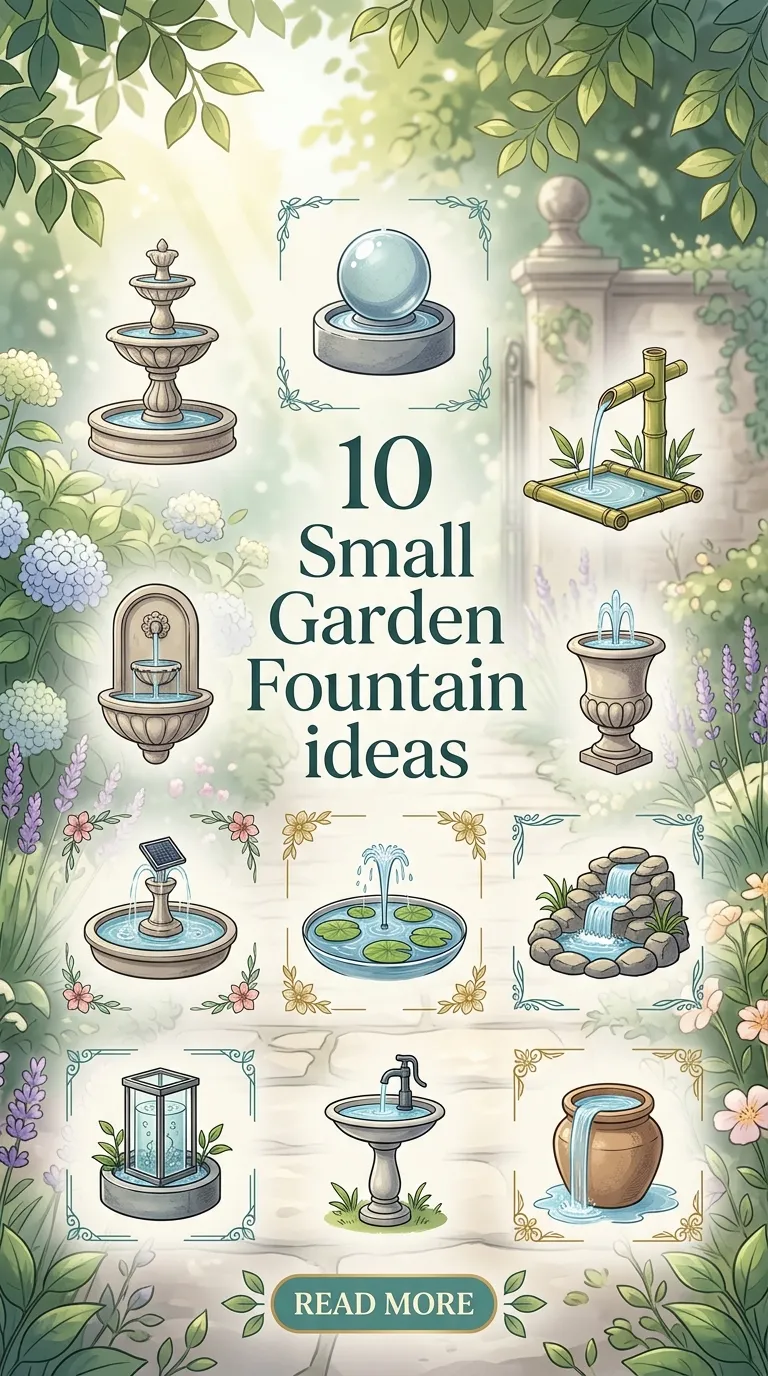
This guide will explain ten small garden fountain ideas that are practical, decorative, and suitable for different garden styles. Each idea includes preparation steps, materials needed, and useful tips to help you create a beautiful water feature in your garden.
1. Classic Tiered Fountain
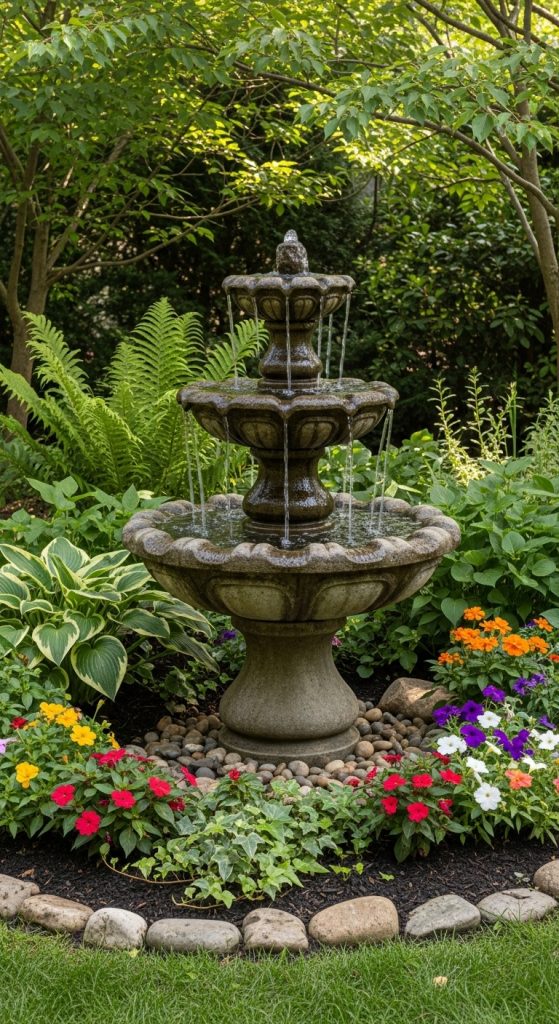
A classic tiered fountain is one of the most traditional and elegant options for a small garden. This type of fountain usually has two or three levels where water flows from the top bowl down to the lower bowls and finally into a basin. The layered design creates a soothing sound and attractive visual effect.
Preparation begins by selecting a location that is level and visible from your seating area. A flat stone or concrete base is recommended to keep the fountain stable. If your garden soil is soft, it is helpful to pour a small concrete pad first to prevent shifting.
The main materials include a tiered fountain structure, a submersible water pump, water tubing, a basin or reservoir, and decorative stones. Many tiered fountains are available in resin, stone, or concrete. Resin is lightweight and easier to install, while stone and concrete provide a more natural and durable appearance.
To install the fountain, place the basin on the prepared base and install the pump inside it. The tubing runs from the pump to the top tier. Once the fountain is assembled, fill the basin with water and test the pump to ensure smooth water flow.
Maintenance includes cleaning the pump regularly and refilling water when needed. A small tiered fountain adds timeless beauty and creates a peaceful focal point in a compact garden space.
2. Wall Mounted Fountain
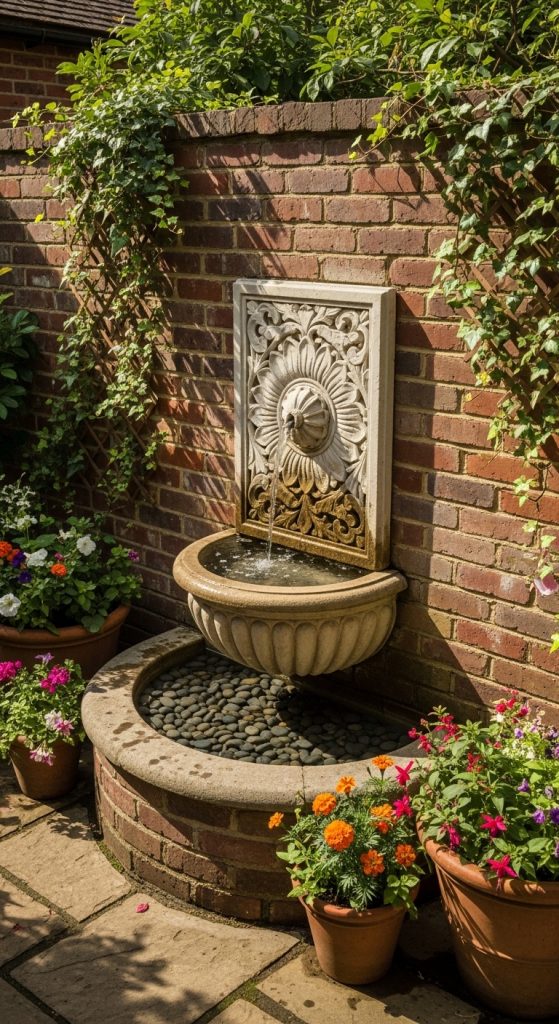
A wall mounted fountain is perfect for gardens with limited floor space. This design attaches directly to a wall or fence, allowing water to flow down a decorative surface into a small basin at the bottom.
The first step is choosing a sturdy wall such as brick, concrete, or reinforced wood. The wall must be strong enough to hold the fountain’s weight and the water reservoir. Measuring the wall space helps ensure the fountain fits properly without overwhelming the garden.
Materials needed include the wall fountain unit, mounting brackets, screws, a small water basin, a pump, and water tubing. Many wall fountains are made from stone, ceramic, or metal, which gives them a stylish and artistic look.
Installation begins by securely mounting the fountain panel to the wall using brackets and anchors. The basin is placed at the bottom to collect the water. The pump sits inside the basin and pushes water up through the tubing to the top outlet, allowing it to flow down the fountain surface.
Decorative elements such as climbing plants, small lights, or pebbles can enhance the appearance. Wall fountains are excellent for courtyards, patios, and narrow garden areas because they provide the calming sound of water without taking up much ground space.
3. Container Fountain
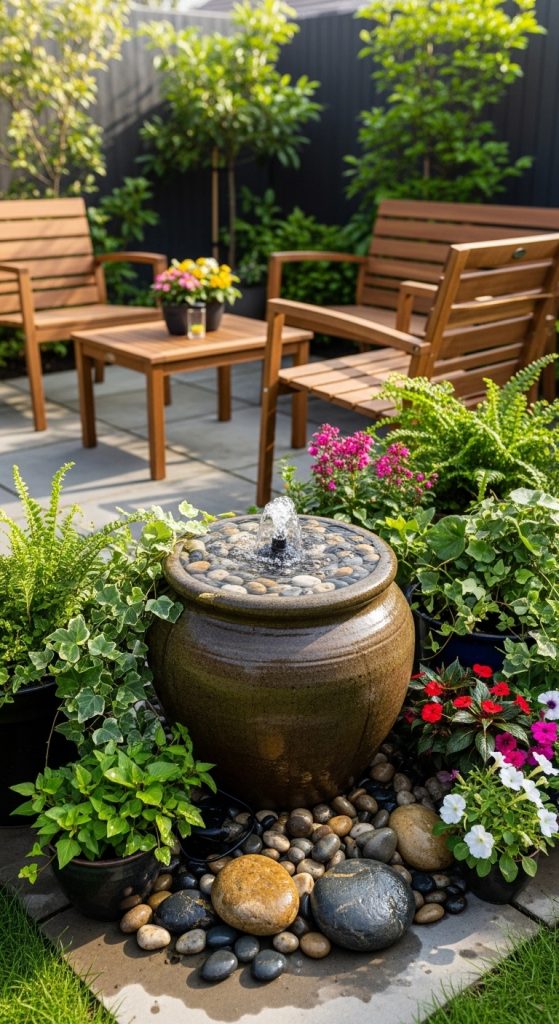
A container fountain is one of the easiest and most affordable garden fountain ideas. It uses simple containers such as ceramic pots, metal bowls, or large planters to create a compact water feature.
Preparation starts with selecting a waterproof container that is at least 10 to 14 inches deep. The container should be strong enough to hold water without cracking. Choosing a decorative pot can also improve the overall look of the fountain.
Materials required include the container, a small submersible pump, water tubing, river stones, and sometimes a fountain nozzle attachment. If the container has drainage holes, they should be sealed using waterproof silicone.
To assemble the fountain, place the pump at the bottom of the container and connect the tubing. The pump is then covered with decorative stones, leaving the tubing exposed or attached to a small fountain head. Fill the container with water and plug in the pump.
The flowing water creates gentle ripples across the surface, producing a relaxing sound. Container fountains are highly customizable because you can choose different shapes, colors, and sizes.
This type of fountain works well on patios, balconies, and small garden corners, making it an ideal option for beginners who want a simple DIY project.
4. Bamboo Fountain
A bamboo fountain brings a natural and traditional look to a garden. This style is inspired by Japanese garden design and works well in small, peaceful landscapes.
Preparation includes selecting a quiet corner of the garden where the fountain can be surrounded by plants, stones, or moss. The area should be shaded or partially shaded to maintain the natural appearance.
Materials include bamboo tubes, a small water basin, a submersible pump, water tubing, and flat stones. Bamboo pieces are cut and arranged so that water flows from one tube to another or drips gently into the basin.
To build the fountain, place the basin slightly below ground level and hide it with stones. The pump inside the basin pushes water through the tubing into the top bamboo tube. The water then flows naturally through the bamboo structure before returning to the basin.
The sound of dripping water from bamboo creates a very calming atmosphere. This type of fountain requires occasional cleaning to prevent algae buildup and to keep the bamboo in good condition.
A bamboo fountain is a great choice for gardeners who want a natural, peaceful water feature that blends beautifully with plants and rocks.

5. Stone Bowl Fountain
A stone bowl fountain is a simple yet elegant design that works well in modern or natural gardens. It typically consists of a carved stone bowl where water gently bubbles from the center.
The first step is choosing a solid stone bowl or basin. Natural stone such as granite or limestone is often used because it is durable and weather resistant. The bowl should be heavy enough to remain stable outdoors.
Materials needed include the stone bowl, a water pump, a tubing line, and decorative pebbles or gravel. The pump is usually hidden under stones inside the bowl.
To install the fountain, place the bowl on a level base such as compacted soil, gravel, or a stone slab. The pump is positioned in the center, and the tubing runs upward through a small fountain nozzle. Once water is added, the pump circulates it continuously.
The bubbling water effect creates gentle movement and sound without splashing too much, which makes it suitable for small spaces.
Stone bowl fountains are low maintenance and blend well with surrounding plants, making them an attractive addition to small gardens or patios.

6. Birdbath Fountain
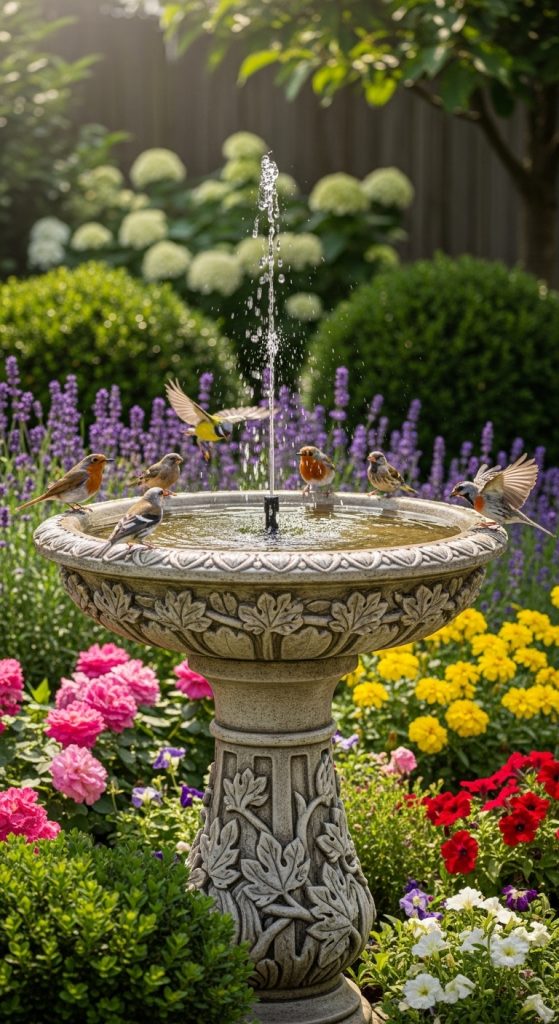
A birdbath fountain combines the beauty of a water fountain with a bird-friendly feature. It encourages birds to visit your garden while adding a decorative element.
Preparation includes selecting a birdbath that is wide and shallow enough for birds to safely land and drink. The birdbath should be placed in an open area where birds feel safe and can easily see their surroundings.
Materials include the birdbath basin, a small solar or electric fountain pump, water tubing, and sometimes a decorative nozzle. Solar pumps are popular because they do not require electrical wiring.
To create the fountain, place the pump in the center of the birdbath and attach the fountain head. Fill the basin with clean water and turn on the pump.
The gentle water movement helps keep the water fresh and attracts birds. However, it is important to clean the birdbath regularly to maintain a healthy environment for wildlife.
Birdbath fountains are ideal for gardeners who enjoy watching birds and want to support local wildlife while improving the appearance of their outdoor space.
7. Rock Waterfall Fountain
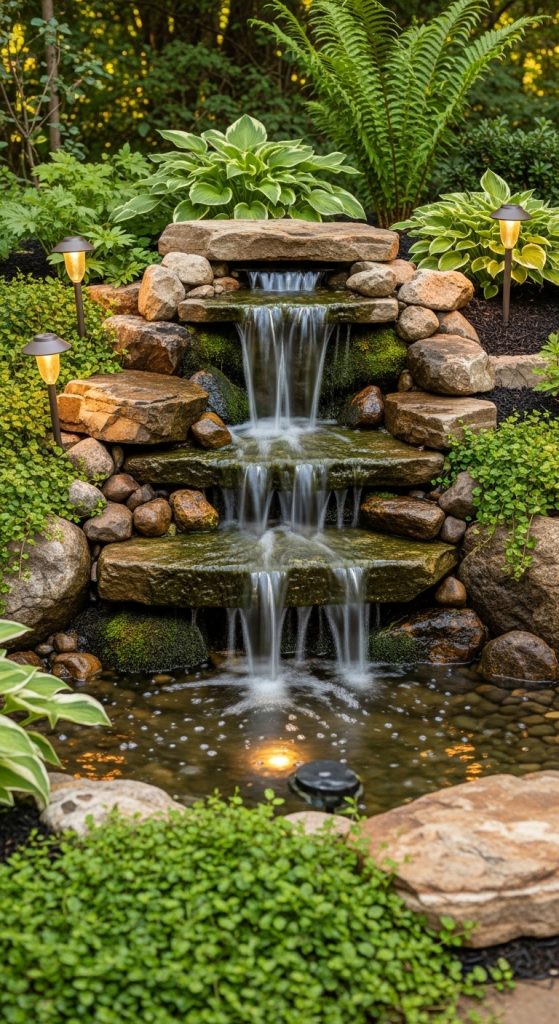
A small rock waterfall fountain can create the feeling of a natural stream in a compact garden. Water flows down a series of rocks before collecting in a small hidden basin.
Preparation involves digging a shallow hole for the basin and building a small mound for the waterfall rocks. The area should be lined with a waterproof pond liner to prevent leaks.
Materials include natural rocks, a water basin, a pond liner, a submersible pump, and flexible tubing. Flat stones are usually placed in layers to guide the water downward.
To build the waterfall, place the basin at the lowest point and hide it with stones. The pump inside the basin pushes water through tubing to the top rock. The water then cascades down the stones and returns to the basin.
This type of fountain requires careful rock placement to control the direction of water flow. Adding plants around the rocks can enhance the natural look.
Rock waterfall fountains are perfect for creating a peaceful outdoor environment and can become a beautiful centerpiece even in a small garden.
8. Urn Fountain
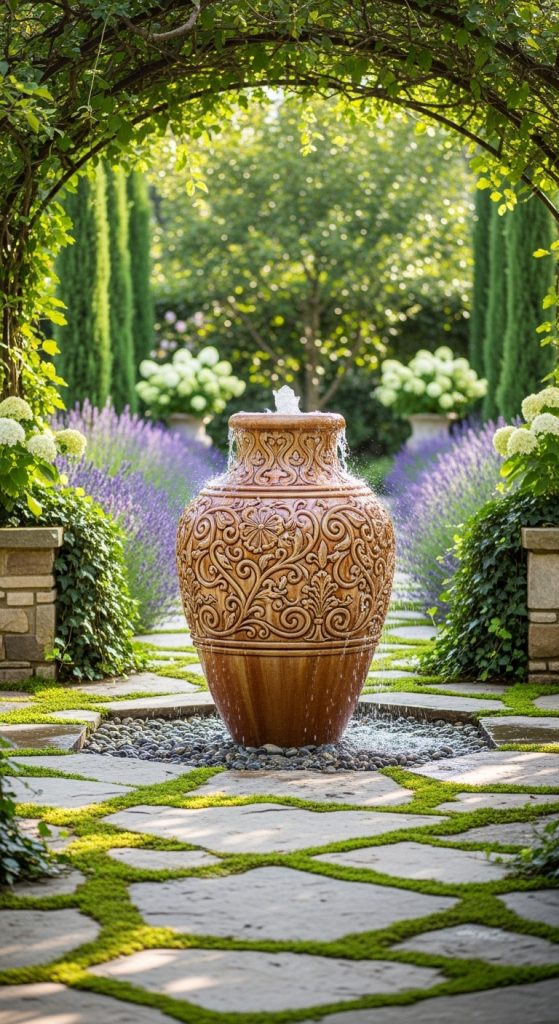
An urn fountain uses a large decorative urn or vase as the main water feature. Water flows from the top opening and spills gently over the sides into a hidden reservoir.
Preparation starts with choosing a strong urn made from ceramic, resin, or stone. The urn should be large enough to create visible water movement but not too heavy for the chosen location.
Materials include the urn, a water basin placed underground, a pump, tubing, and decorative gravel. The basin acts as the hidden water reservoir.
To install the fountain, bury the basin so that its top edge is level with the ground. Place a strong support grid over the basin and position the urn on top. The pump pushes water through tubing into the urn.
Water then flows over the sides of the urn and returns to the basin below. Decorative stones are used to hide the basin and create a finished appearance.
Urn fountains are stylish and elegant, making them ideal for small formal gardens or entryways.
9. Solar Powered Fountain
A solar powered fountain is an environmentally friendly option for small gardens. It uses energy from the sun instead of electricity, making installation easier and more cost effective.
Preparation includes selecting a sunny location where the solar panel will receive several hours of direct sunlight each day. Without enough sunlight, the pump may not work properly.
Materials required include a solar fountain pump kit, a water basin or container, tubing, and decorative stones. Some kits come with multiple fountain heads to create different water patterns.
To install the fountain, place the solar panel in direct sunlight and connect it to the pump. The pump is placed inside the water basin, and the tubing carries water to the fountain nozzle.
Solar fountains are simple to install because they do not require electrical wiring. However, they may operate only during sunny conditions unless the system includes a battery backup.
This type of fountain is ideal for gardeners who want a sustainable and energy efficient water feature.

10. Recycled Fountain
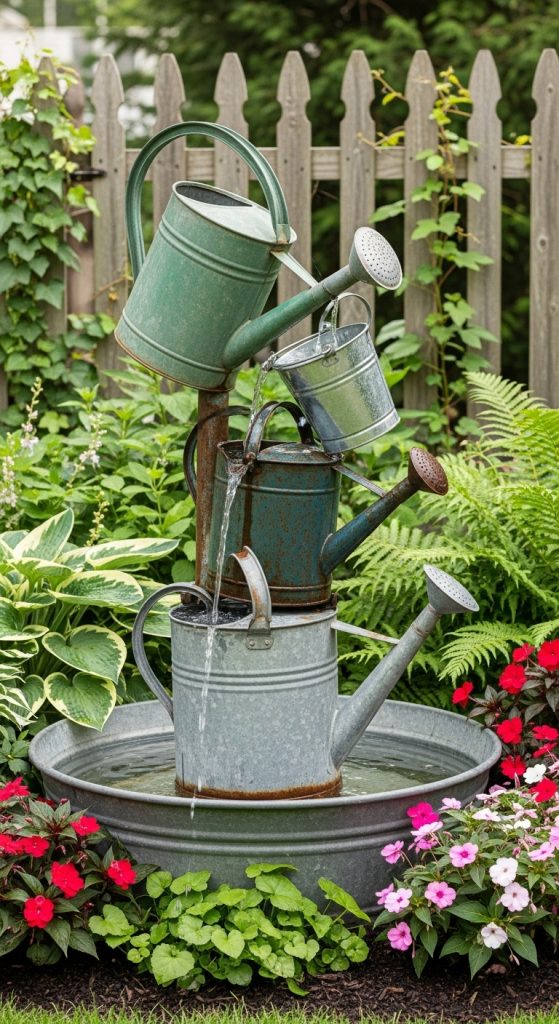
A recycled fountain is a creative and environmentally friendly idea. It uses old household items such as watering cans, teapots, barrels, or metal buckets to create a unique water feature.
Preparation begins by selecting items that can hold water or allow water to flow between them. Cleaning and sealing these items may be necessary to prevent leaks or rust.
Materials include the recycled containers, a water pump, tubing, a basin or reservoir, and decorative stones. The containers are arranged so that water flows from one object to another before returning to the basin.
For example, water can flow from a watering can into a bucket and then into a small basin below. The pump inside the basin circulates the water back to the top container.
Recycled fountains allow you to experiment with different designs and personalize your garden. They are often inexpensive because many materials can be reused.
This type of fountain is perfect for gardeners who enjoy DIY projects and want a unique water feature that reflects their creativity while promoting sustainability.