The kitchen is often called the heart of the home. It is where meals are prepared, families gather, and daily conversations happen. Because of this, many homeowners want their kitchen to feel warm, comfortable, and visually appealing. One popular interior style that continues to inspire many homes is Western home decor. Western-style kitchens are known for their rustic charm, natural materials, warm colors, and strong connection to nature. This design style often reflects traditional countryside living, ranch-style homes, and classic American farmhouse influences.
Western kitchen decor combines practicality with beauty. It often includes wooden cabinets, iron fixtures, stone elements, vintage accessories, and handcrafted details. The goal is to create a welcoming environment that feels both functional and timeless. Western decor also focuses on durability, making it ideal for busy kitchens where cooking and family gatherings happen frequently.
Another reason why Western-style kitchens are loved is their flexibility. Whether your kitchen is large or small, you can incorporate Western elements such as wooden shelving, rustic lighting, farmhouse sinks, or natural textures. These features create a cozy atmosphere while maintaining a strong visual character.
In this article, we will explore ten Western home decor ideas for the kitchen. Each section will explain the concept, preparation steps, materials used, and helpful tips so you can easily bring Western charm into your own kitchen space.
1. Rustic Wooden Cabinets
Rustic wooden cabinets are one of the most recognizable features of a Western-style kitchen. They provide warmth, natural beauty, and a strong visual foundation for the entire space. Unlike modern glossy cabinets, Western cabinets usually have a natural or distressed finish that highlights the grain and texture of the wood.
The most common materials used for rustic cabinets include oak, pine, maple, and reclaimed wood. Reclaimed wood is especially popular because it adds character and a sense of history to the kitchen. Each piece of wood often has unique markings that make the cabinets look authentic and aged.
Preparation begins by measuring your kitchen space carefully. Choose cabinet designs that match the Western theme, such as shaker-style doors or plank panels. You may also add iron or bronze handles to enhance the rustic look. Before installation, the wood should be sanded and treated with protective stain or varnish to prevent moisture damage.
Installation typically requires proper alignment with wall studs for strong support. Professional installation is recommended for larger cabinets, although smaller shelving cabinets can sometimes be installed as DIY projects.
Rustic wooden cabinets work well with neutral wall colors such as cream, beige, or warm gray. When combined with stone countertops or iron hardware, they create a balanced Western kitchen environment that feels both traditional and practical.

2. Farmhouse Kitchen Sink
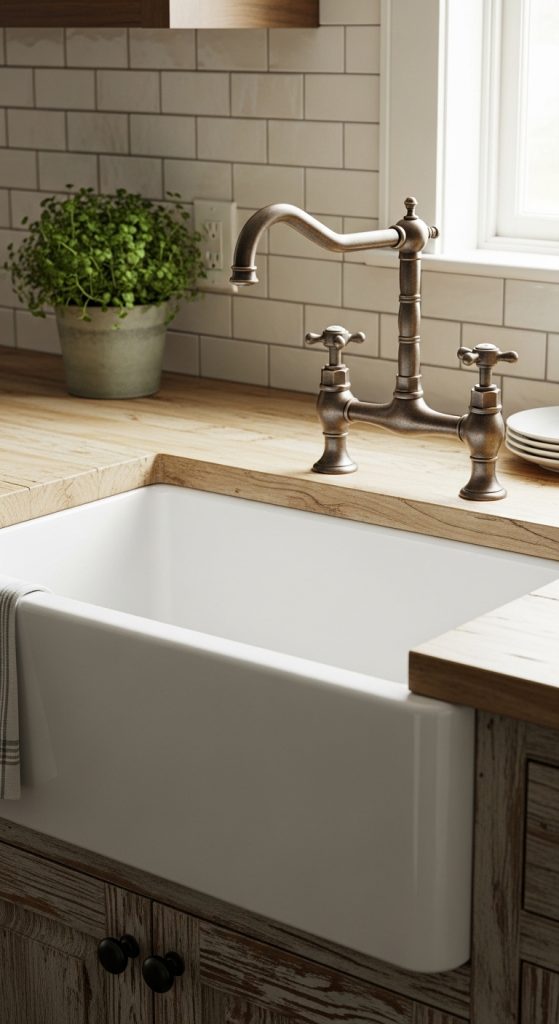
A farmhouse sink is a classic Western kitchen element known for its deep basin and exposed front panel. It is both functional and visually appealing, making it a popular choice in many rustic kitchens.
The most common materials used for farmhouse sinks include fireclay, stainless steel, and cast iron. Fireclay sinks are particularly popular because they are durable, resistant to stains, and easy to clean. Stainless steel options are lighter and often more affordable while still offering a modern rustic look.
Before installing a farmhouse sink, preparation is important. Because these sinks are larger and heavier than traditional sinks, the cabinet underneath must be properly reinforced. The countertop also needs to be cut precisely to accommodate the exposed front of the sink.
Installation usually involves securing the sink with strong brackets and sealing the edges with waterproof silicone to prevent leaks. The plumbing connections should be carefully checked to ensure proper drainage.
Farmhouse sinks are ideal for washing large pots, pans, and dishes. Their deep basin allows for more convenient cleaning during heavy cooking sessions. To enhance the Western appearance, pair the sink with a vintage-style faucet in bronze or brushed nickel.
This type of sink not only improves kitchen functionality but also adds a strong decorative feature that instantly reflects traditional Western farmhouse design.
3. Stone or Brick Backsplash
A stone or brick backsplash is another important feature that helps create an authentic Western kitchen atmosphere. It adds texture, durability, and a natural appearance that complements wooden cabinets and rustic furniture.
The materials commonly used for this design include natural stone tiles, brick veneers, or faux stone panels. Natural stone options such as slate, travertine, or limestone are very durable and offer a rich earthy look. Brick veneers are thinner than full bricks and are easier to install on kitchen walls.
Preparation begins by cleaning and leveling the wall surface. A strong adhesive or mortar is then applied before placing each stone or brick tile. The tiles should be arranged carefully to maintain consistent spacing. After installation, grout is applied to fill the gaps and strengthen the structure.
In some cases, a protective sealant is added to protect the backsplash from grease and moisture. This is especially useful near cooking areas.
A stone or brick backsplash works beautifully behind the stove or sink area. It creates a strong visual focal point and enhances the rustic charm of the kitchen. When combined with warm lighting, the texture of the stone becomes even more noticeable, giving the space a cozy Western ranch-style feel.

4. Open Wooden Shelving
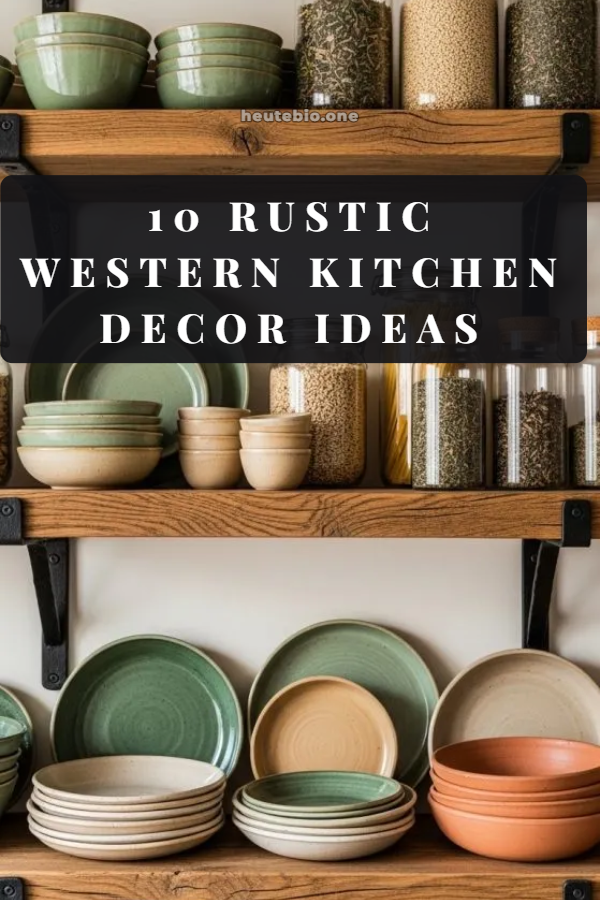
Open wooden shelving is a practical and stylish feature in Western kitchens. Instead of hiding dishes and cookware inside cabinets, open shelves display them as part of the kitchen decor.
The most commonly used materials for open shelving include solid wood planks such as pine, oak, or reclaimed barn wood. Metal brackets made of iron or steel are often used to support the shelves and add a rustic industrial look.
Preparation starts with selecting a strong wall area where shelves can be mounted securely. It is important to locate wall studs because shelves carrying dishes and cookware need solid support. The wood planks should be sanded and finished with protective oil or stain.
Installation involves attaching the metal brackets to the wall studs using strong screws. The wooden shelves are then placed on top and secured with additional screws if necessary.
Open shelving is ideal for displaying ceramic plates, mason jars, glass containers, and decorative kitchen accessories. It also makes frequently used items easy to reach during cooking.
This design approach creates a relaxed and welcoming kitchen atmosphere. It also allows homeowners to personalize the space with decorative items while maintaining the natural Western theme.

5. Western Style Lighting Fixtures
Lighting plays an important role in creating the right atmosphere in a Western kitchen. Western lighting fixtures often feature natural materials and vintage-inspired designs.
Common materials include wrought iron, bronze, wood, and glass. Lantern-style pendant lights, iron chandeliers, and cage-style bulbs are all popular choices for this design style. These lighting fixtures provide both functional illumination and decorative appeal.
Preparation involves planning the lighting layout. Kitchens usually require a combination of general lighting, task lighting, and accent lighting. Pendant lights are often installed above kitchen islands, while chandeliers may hang above dining areas.
Installation requires proper electrical wiring and ceiling support. It is recommended to hire a qualified electrician for safety, especially when installing heavy fixtures like chandeliers.
Warm white bulbs are usually preferred in Western kitchens because they create a softer and more welcoming glow compared to bright white lighting.
When carefully selected, Western lighting fixtures can highlight wooden textures, stone backsplashes, and decorative elements throughout the kitchen. They help create a balanced environment that feels both comfortable and visually appealing.

6. Wooden Kitchen Island
A wooden kitchen island is a functional centerpiece that fits perfectly in Western-style kitchens. It provides additional workspace, storage, and seating while enhancing the rustic look of the room.
The island is usually made from solid wood such as oak, maple, or reclaimed barn wood. Some designs combine wood with stone or butcher block countertops. Butcher block surfaces are especially popular because they are practical for food preparation.
Preparation begins with measuring the available floor space to ensure the island does not block movement in the kitchen. Ideally, there should be enough walking space around the island for comfortable cooking and cleaning.
The construction process may involve building a custom wooden frame with shelves or cabinets underneath. Some islands include drawers for utensils or baskets for vegetables.
Installation should ensure the island is stable and level. If electrical outlets or sinks are included, professional plumbing and electrical work may be required.
A wooden island becomes a central gathering place where family members can sit, prepare food, or socialize. Its natural texture adds warmth and strengthens the Western farmhouse feel of the kitchen.

7. Copper Kitchen Accessories
Copper accessories add warmth and elegance to Western kitchen decor. Their reddish-brown metallic shine complements wood, stone, and neutral color palettes.
Common copper items used in Western kitchens include cookware, hanging pots, measuring cups, utensils, and decorative trays. Copper pendant lights and sink fixtures are also popular additions.
Preparation involves selecting high-quality copper items that are durable and safe for kitchen use. Some copper cookware includes stainless steel lining to improve heat distribution and prevent reactions with certain foods.
Copper accessories can be displayed on wall hooks, hanging racks, or open shelving. A ceiling-mounted pot rack is often used in Western kitchens to display copper pans while keeping them easily accessible.
Maintenance is important because copper can tarnish over time. Regular cleaning with mild vinegar and salt solutions helps maintain its shine. Some homeowners prefer the aged patina look because it enhances the rustic appearance.
By adding copper accessories, the kitchen gains both functional tools and decorative elements. The warm glow of copper creates a rich and inviting Western-style cooking environment.

8. Natural Wood Dining Furniture
In many Western homes, the kitchen connects directly with a dining area. Natural wood dining furniture helps maintain a consistent rustic theme throughout the space.
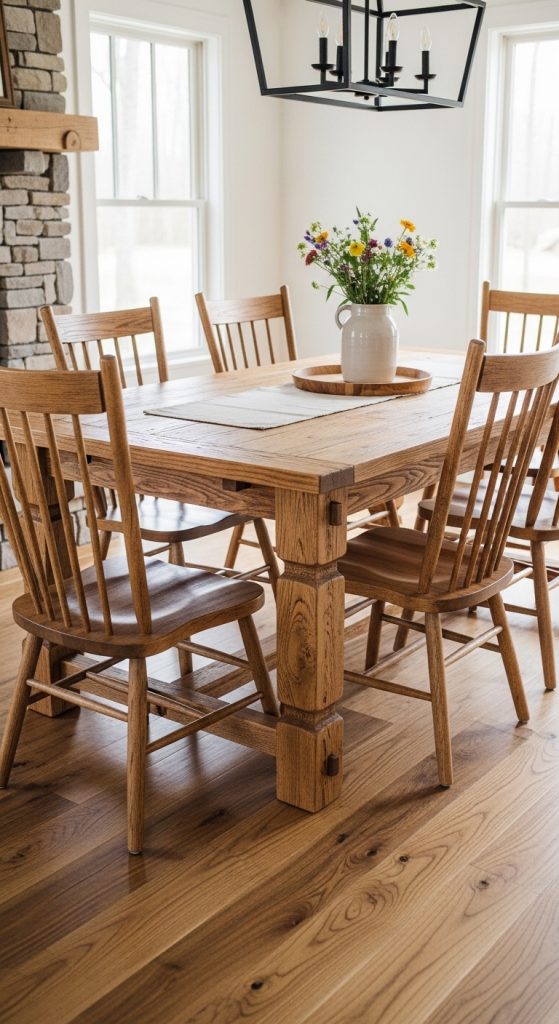
Common materials include solid oak, walnut, pine, or reclaimed wood. Farmhouse-style dining tables are especially popular because they feature thick wooden tops and sturdy legs.
Preparation starts by choosing furniture that fits the available space. Large kitchens may accommodate long rectangular tables, while smaller kitchens may require compact round tables.
The wood is usually finished with natural stains or protective oils to highlight the grain patterns. Chairs may include wooden backs, leather cushions, or woven seats for added comfort.
Proper placement is also important. The dining area should allow enough walking space around the table and easy access to the kitchen workspace.
Natural wood dining furniture creates a warm and inviting environment for family meals. It reinforces the Western farmhouse theme while providing a comfortable place for gathering and conversation.
9. Western Wall Decor
Wall decor helps bring personality and cultural character into a Western kitchen. It can reflect rural life, ranch traditions, or natural landscapes.
Common decorative elements include vintage farm signs, metal wall art, wooden plaques, and framed country-style artwork. Some kitchens also display horseshoe decorations, cowboy themes, or nature-inspired paintings.
Preparation begins by selecting artwork that matches the color palette and style of the kitchen. Wooden frames and metal accents usually work best with Western decor.
When hanging wall decorations, proper spacing and balance are important. Avoid overcrowding the walls. Instead, create small focal areas above dining tables, shelves, or near the kitchen entrance.
Installation requires secure wall hooks or anchors depending on the weight of the artwork.
Western wall decor adds storytelling elements to the kitchen. It reflects lifestyle, tradition, and personal taste while completing the overall rustic design of the space.

10. Woven Baskets and Natural Storage
Woven baskets are a simple yet effective storage solution commonly used in Western kitchens. They help organize kitchen items while adding natural texture to the decor.
These baskets are usually made from materials such as wicker, rattan, bamboo, or seagrass. They are lightweight but strong enough to hold fruits, vegetables, bread, or kitchen linens.
Preparation involves choosing baskets in different sizes depending on the storage needs. Larger baskets can be placed on shelves or under kitchen islands, while smaller baskets can sit on countertops.
The baskets should be cleaned and dried before use to maintain hygiene in the kitchen environment. Some baskets may include cloth liners to keep food items clean.
Placement is flexible. They can be arranged on open shelves, inside cabinets, or displayed on the kitchen island.
Woven baskets contribute to the rustic Western aesthetic by adding organic shapes and textures. At the same time, they help keep the kitchen organized and visually pleasing.
